
Forget the Fancy Neck Pillows — Here’s How Travelers Really Survive Long-Haul Flights
Seasoned travelers shared their go-to tricks for getting through those 10+ hour flights without wrecking their back, sleep, or sanity.
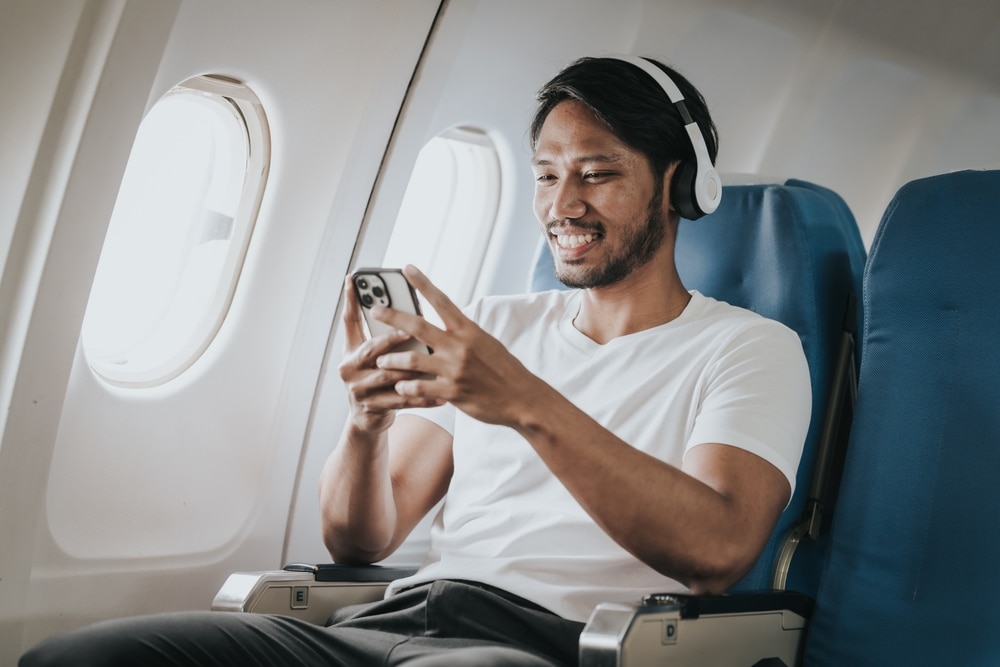
Long international flights look glamorous on paper. In reality, it’s you, a cramped seat, stale air, and the unfortunate realization that your “fancy neck pillow” isn’t actually going to save you.
One nervous traveler recently admitted they were dreading their longest flight ever and asked the internet for help. The responses from frequent flyers were blunt, but extremely useful: think less about hacks, and more about hydration, movement, and managing your energy.
Here are the most helpful tips that came out of the discussion.

1. Start with the unsexy stuff: water, socks, and circulation
Almost everyone agreed on one thing: dehydration and not moving are what make long flights feel truly brutal.
Frequent travelers recommended:
- Electrolytes + water: Don’t just sip one tiny cup of water every few hours. Bring a refillable bottle, add electrolyte tablets or powder, and actually drink it.
- Compression socks: These came up over and over for swelling, leg pain, and reducing clot risk on long-haul routes. (I personally use and like these socks for long flights.)
- Regular movement: Get up every couple of hours to walk to the galley or the bathroom area and do light stretching.
You’ll use the bathroom more. That’s fine. Those walks are part of what keeps you from feeling wrecked when you land.

2. Pick your seat to match your personality (not the fantasy)
The aisle vs. window debate was fierce.
- Aisle seat people like being able to get up whenever they want, drink more water without “holding it,” and stretch without climbing over strangers.
- Window seat people swear they sleep better when they can lean against the wall and not get bumped by carts or seatmates.
If you’re tall, have a bad back, or tend to get restless legs, seasoned travelers suggested prioritizing an aisle seat or paying extra for more legroom. Exit rows, bulkhead seats, or premium economy can make a noticeable difference, even if business class is off the table.
Whatever you choose, be honest with yourself. If you know you’re the “needs to move every two hours” person, don’t trap yourself at the window behind two strangers on sleeping pills.
3. Build a “comfort kit” you can actually reach
The pros don’t just toss a neck pillow in their carry-on and hope for the best. They have a small, easy-to-grab kit under the seat in front of them so they’re not constantly digging in the overhead bin.
Common staples:
- A portable seat cushion or small inflatable pillow for your butt and lower back
- A jacket, sweater, or scarf that can double as lumbar support or a blanket
- Moisturizer, lip balm, nasal spray, and eye drops to fight the dry air
- Toothbrush and toothpaste, plus wipes (I like these) for a quick “sink bath” mid-flight
- Soft socks or slippers so you’re not stuck in tight shoes for 10+ hours
The idea is to give yourself ways to change positions, stay warm, and feel less gross without relying on whatever the airline happens to give you.

4. Noise-cancelling headphones and an eye mask are game changers
If there was one piece of gear people got almost religious about, it was noise-cancelling headphones. Even for travelers who can’t sleep on planes, blocking out constant engine noise and chatter made the whole experience less exhausting.
Several long-haul regulars combine:
- Noise-cancelling over-ear headphones for most of the flight
- An eye mask they actually like wearing (no itchy straps, no digging into the face)
- Boring audio — a slow podcast or audiobook when they’re trying to rest
You might not get deep sleep, but just lying there in the dark with the noise muted is still more restorative than staring at the in-flight map thinking, How is there still 8 hours left?
5. Be careful with sleep aids and “knockout” strategies
People had very strong feelings about meds on planes, and more than a few horror stories.
Some travelers use things like melatonin, magnesium, or a mild muscle relaxant prescribed by their doctor. Others refuse to touch anything stronger than herbal tea after bad experiences with sedatives that made them groggy, panicky, or wide awake.
The common-sense advice that came up repeatedly:
- Don’t take any new medication for the first time on a flight.
- Talk to your doctor or pharmacist before mixing anything with your usual meds.
- Remember you still need to move around — being heavily sedated in an upright seat isn’t ideal.
If you already know a specific sleep aid works well for you and your doctor has signed off, that’s between you and them. But random “just take Ambien, you’ll be fine” advice from strangers on the internet is not a solid plan.

6. Plan around the destination time zone, not your home one
Some of the best tips were about what happens after you land.
Experienced travelers said things got easier when they stopped trying to sleep “whenever” and started planning around the destination’s time zone instead:
- Get a good night’s sleep before the flight so you’re not boarding already wrecked.
- On the plane, shift your mindset to the local time where you’re headed and stop doing “it’s 3 a.m. at home” math.
- If it’s “night” at your destination, prioritize quiet, low-light activities and rest.
- When you land, get daylight, hydrate, and push through to local bedtime instead of collapsing for a five-hour nap.
Some people also use jet lag apps that tell them when to seek or avoid light, when to nap, and when to go to bed. Others just follow a simple rule: act like you already live in the new time zone as soon as you get on the plane.
7. Break the flight into chunks so it doesn’t feel endless
The mental game matters more than most people think.
Instead of fixating on “I’m trapped here for 11 hours,” frequent flyers suggested breaking the trip into manageable blocks:
- First couple of hours: eat, watch something fun, get settled.
- Next block: movies, music, or games.
- After that: eye mask, headphones, attempt to rest.
- Repeat with walks, stretches, snacks, and bathroom breaks.
Load your phone or tablet with offline entertainment — shows, playlists, podcasts, books — and bring a portable charger. In-flight Wi-Fi is a nice bonus if it works, but you don’t want to depend on it to survive the trip.
Long-haul flights will probably never feel good, especially in economy. But if you go in with realistic expectations, hydrate like it’s your job, move more than feels natural, and set yourself up to rest instead of suffer, they stop being a full-on nightmare.
If you’re planning a big trip, you might also like:
