
People Who Traveled Before Instagram Are Sharing What It Was Really Like — ‘Once You Were Gone, You Were GONE’
If you started traveling in the age of smartphones, it’s hard to imagine planning a big international trip without Google Maps, instant translation, or a million TikToks telling you exactly where to stand for the photo.
Someone on Reddit recently asked what travel was like between 2001 and 2009, “before Instagram and the rapid growth of social media users”, and the answers turned into a full-on time capsule.
Spoiler: there’s a lot of nostalgia, but also some very honest reminders that “the good old days” weren’t exactly easy.
Here’s how travelers say the pre-Instagram era really felt.
Guidebooks Were the Algorithm
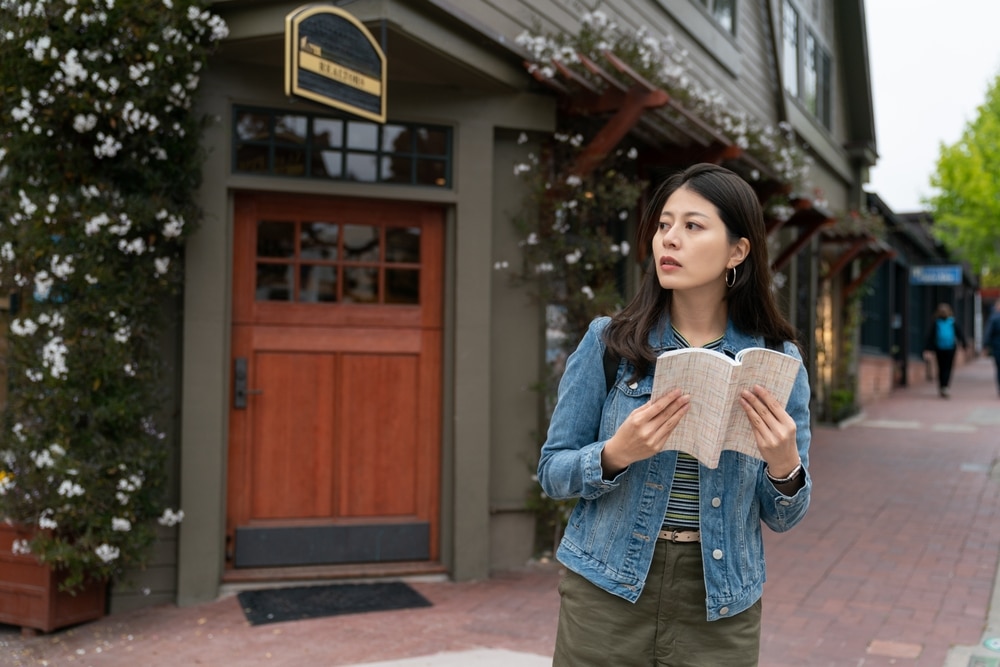
Before blogs, TikTok, and Reels, your “For You Page” was a battered copy of Lonely Planet or Rough Guide.
One commenter summed it up simply:
“The Lonely Planet guides were more informative… older books I have from that time period and the early 2010s had better quality information than the newer ones I’ve seen recently.”
Another person who used to write guidebooks explained how much work went into them:
“We would spend weeks visiting places, talking to people, researching and writing. Now they are done off the internet… those that remain are basically just internet compilations. It’s sad, there is a lot to be said for a neutral, informative, well researched guidebook.”
People talked about reading those books on the plane, flipping them open on trains, and treating them like a bible for everything from hostel picks to bus timetables. Online info existed, but it wasn’t the default, and it definitely wasn’t endless.
Travel TV was also a big influence. Several commenters shouted out the old-school Travel Channel and host Samantha Brown as early inspo, long before travel influencers dominated social feeds.
Booking a Trip Meant Phone Calls, Letters, and Hope
If you’re used to locking in a hotel in three taps, this part will hurt your soul.
A traveler who spent “a TON” of time on the road from 2000–2011 remembered booking a Paris hotel in 2002:
“I had to make a phone call and use my simple college French to book the room, and the call cost like $5!”
Another found old paperwork from a 2001 trip and realized how different it was:
“You’d go to a travel agent and they’d arrange everything for you… No phone apps, you’d turn up to the airport and collect a paper ticket. They arranged the hotel by calling on your behalf, and you just had to trust that it was all booked and ok.”
One person even wrote a letter to a guesthouse in Spain a week before arriving, had no idea what it cost, and just showed up at 2 a.m., hoping their room existed. (It did. Barely.)
Even in the late 2000s, people were still calling hotels internationally, booking flights by phone, or printing out MapQuest directions and confirmation emails “just in case.”
Maps, Pay Phones, and a Lot of Guessing
Without smartphones, getting around was its own adventure.
A bunch of commenters mentioned paper maps, printed directions, and learning to actually read a city instead of following a blue dot:
“No Google Maps, so actually spent a large portion of time just trying to find a place or figuring out where you were.”
“I remember creating a book of train timetables, with contingency plans… Most of this info you got from outdated Lonely Planet guides.”
You’d land in a new city, grab a free paper map from the hotel, and have the concierge highlight restaurants and sights. Taxi rides involved a lot more trust (and more than a few scams), because there was no Uber, no live fare estimate, and no easy way to prove you were taken “the long way.”
Checking in with home wasn’t a quick WhatsApp call, either. People talked about:
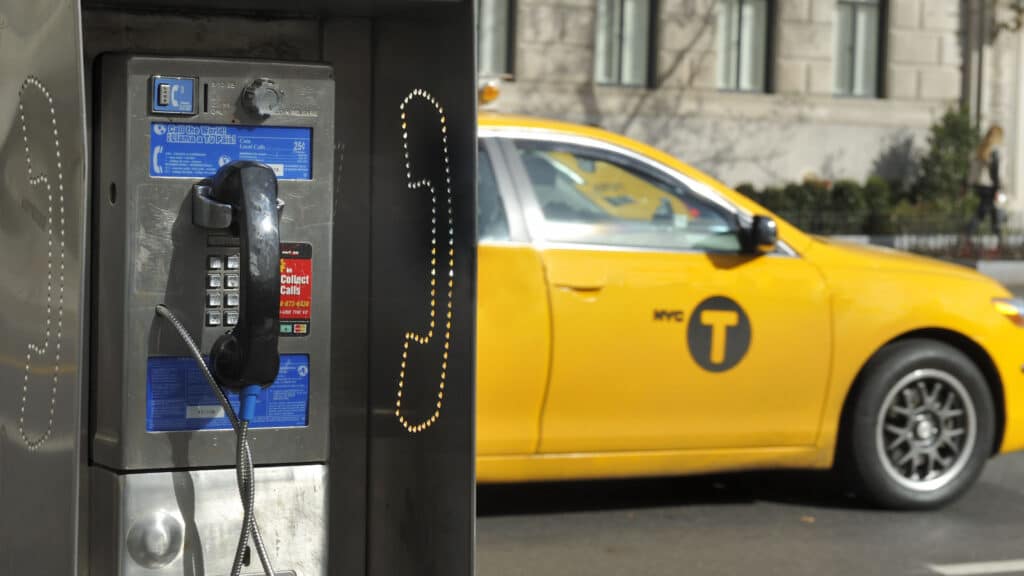
- Buying phone cards and feeding coins into pay phones
- Sending the occasional email from internet cafés
- Writing long blog posts or mass emails once every few weeks
- Even sending telegrams home in the 90s
One traveler remembered:
“We would go to a tobacco shop and buy phone cards so we could call home using public phones. It was a pain.”

Hostels Were Way More Social
If you’ve ever walked into a hostel common room and found 20 people silently scrolling their phones, this part will sting.
Several long-time travelers agreed that hostels were more social before everyone was connected to home 24/7:
“Hostels were more social. There were no lobbies full of people on their phone… At breakfast it was very common for people to meet, have similar but flexible plans and spend their whole days together.”
Internet access existed, but it was limited, maybe two to five shared computers in a hostel where you’d quickly check email, then log off so the next person could have a turn. The rest of the time, you just… talked to whoever was sitting near you.
People mentioned:
- Meeting friends on planes and being invited to stay with their families
- Joining up with strangers in hostel kitchens and exploring together
- Getting recommendations from locals at bars, not from TikTok
One commenter said that from the 70s onward, hitchhiking across Europe and Africa with just paper maps and notes felt like being “Viking explorers” — fun, but also risky, and heavily dependent on the kindness of strangers.
Fewer Selfies, More Mystery
This is the theme that came up the most: it wasn’t that travel was objectively better, but it felt more mysterious and less choreographed.
One person who spent 2003–2005 living in Japan and traveling the world put it like this:
“Biggest difference is you just weren’t exactly sure how things would be! You couldn’t really look up photos of anything you wanted.”
You saw a few pictures in brochures, postcards, or books, but you didn’t scroll hundreds of hyper-edited shots before you got there. That meant:
- Famous spots still had tourists, but you weren’t queuing for a specific “Instagram angle.”
- A lot of now-viral destinations were under the radar.
- You discovered cafés, bookstores, and viewpoints without already knowing what they’d look like in your camera roll.
Multiple people hammered one point: you weren’t surrounded by content creation.
“No better feeling than just flipping open that book en route to your destination.”
“Traveling was better. You didn’t have people filming themselves everywhere you go.”
Another commenter didn’t hold back:
“There weren’t vain people trying to look like influencers taking selfies… completely missing the actual location because they were too busy looking at themselves.”
There was also less pressure to document every second. You took some photos, usually on a separate camera, with film or clunky early digital, and then you were done. No Stories, no Reels, no endless retakes for the ‘Gram.

But Let’s Be Honest: It Was Also a Pain
For every romantic story about mystery and spontaneity, there was someone saying, “Yeah… but I don’t actually miss doing it that way.”
One full-time traveler pushed back hard on the idea that it was “better”:
“Traveling wasn’t better and anyone telling you is bias… You know what a nightmare it is to travel without a translator app, a map, a bus or train schedule on your finger tips?”
Without apps, you had a lot more:
- Miscommunications at restaurants if there were no photos on the menu
- Wrong turns that cost you a whole afternoon
- Stress around allergies, special diets, or medical needs
- Blind faith in guidebooks that might already be outdated
Another person pointed out how much safer and smoother things can feel now:
“One of the few good elements of social media is the focus on travel… I’ve learned about many more off the beaten path places via social media.”
Modern tools got a lot of love too:
- Uber and ride apps, which cut down on taxi scams
- GPS and offline maps, so you’re not terrified of getting lost after dark
- Airbnb and online booking platforms for last-minute changes
- Translation apps for menus, signs, and emergencies
- eSIMs and hotel Wi-Fi, so you can stay connected without hunting for an internet café
For travelers who don’t have endless vacation time, being able to “maximize your time and know what you’re getting into” now is a huge win.

Crowds, Cheap Flights, and the Social Media Explosion
One thing just about everyone agreed on: the sheer scale of tourism has changed.
People remembered:
- National parks and famous viewpoints that used to be quiet in winter and are now packed
- Small towns and beaches that were “undiscovered gems” and are now trendy and expensive
- Places like Japan that felt niche in the early 2000s and are now wildly popular
A lot of commenters blamed social media for blowing up specific spots. Others pointed to budget airlines and cheaper fares from ultra-low-cost carriers like AirAsia or Wizz Air making far-flung destinations way more accessible to more people.
Meanwhile, flying itself… used to feel less grim.
People talked about:
- Fewer 100% full flights
- Included snacks and seat selection without extra fees
- Airport food that was “expensive but not outrageously so”
- Being able to go all the way to the gate with non-flying friends and family before stricter post-9/11 security
That doesn’t mean it was glamorous for everyone, but the general vibe was: less nickel-and-diming, less chaos.

The One Thing Everyone Agrees On: Your “Golden Age” Is Personal
Maybe the most grounded take in the whole thread came from someone who backpacked in the early 90s:
“Traveling is always at its best when YOU first start traveling… Wherever you travel 20 years from now, you’ll long for the way it was when you first traveled.”
Another commenter called out the whole “it was better back then” narrative as subtle gatekeeping:
“It’s essentially gatekeeping that says ‘you’ll never be able to have the experiences I had — yours will always be inferior.’”
And that’s really the heart of it.
Yes, pre-Instagram travel meant fewer selfie sticks, more mystery, and more genuine face-to-face connection. It also meant more stress, more guesswork, and fewer safety nets when things went sideways.
If anything, this whole “was travel better back then?” debate just proves how fast things keep changing — and how personal our version of a “perfect” trip really is. If you’re curious how today’s travelers are reshaping the experience side of things, I recently rounded up some of the biggest trends showing up on bucket lists right now.
And if you enjoy strong opinions about travel (and clearly, the internet does), you’ll probably get a kick out of a separate piece where people share their spiciest takes on how you’re “supposed” to travel — and why there’s no single right way to do it.
These Are the 10 Biggest Travel Experience Trends for 2026, According to Tripadvisor
Tripadvisor just released its 2026 Trendcast report, a data-packed look at more than a billion searches, bookings, and traveler reviews to see how people are actually traveling this year — and the big takeaway is clear: experiences are running the show.
Read more: These Are the 10 Biggest Travel Experience Trends for 2026, According to Tripadvisor
Travelers Are Sharing Their Spiciest Travel Hot Takes — ‘You Don’t Have to Do It the “Right” Way’

From checked bags and chain restaurants to all-inclusive resorts and repeat trips to the same city, not everyone wants to “travel like a local”… and that’s okay.
Read more: Travelers Are Sharing Their Spiciest Travel Hot Takes — ‘You Don’t Have to Do It the “Right” Way’
People Who’ve Switched From Airbnb to Hotels Are Warning Others: ‘It’s Not Worth the Hassle Anymore’
After years of booking short-term rentals, travelers say one thing keeps pushing them back to hotels.
Read more: People Who’ve Switched From Airbnb to Hotels Are Warning Others: ‘It’s Not Worth the Hassle Anymore’
They Went on Vacation and Never Came Home — Travelers Share the Cities They Loved Enough to Move To

A traveler asked a simple question online: Has anyone ever visited a city on holiday, fallen totally in love, and then actually moved there?
Read more: They Went on Vacation and Never Came Home — Travelers Share the Cities They Loved Enough to Move To
Travelers Are Sharing the Places They’d Never Visit Again — and the Answers Sparked Heated Debate

A simple question posted online sparked an unexpectedly intense discussion: Where would you never travel to again?
Read more: Travelers Are Sharing the Places They’d Never Visit Again — and the Answers Sparked Heated Debate