
These U.S. States Are Starting 2026 the Most Exhausted — See Where Yours Ranks
New analysis suggests the “new year, new me” reset never really showed up for millions of Americans.
If you hit February already wiped out, you’re not imagining it. New research suggests a lot of Americans didn’t bounce into 2026 feeling refreshed — they dragged themselves over the line.
A new “Exhaustion Index,” created by nutrition and wellness brand Juice Plus+, analyzed fatigue-related Google searches across all 50 states and D.C. throughout January. Instead of looking at resolutions or gym sign-ups, the study tracked what people actually typed into their browsers: things like “so tired all the time,” “can’t sleep,” “burnout symptoms,” and “low energy.”
By combining more than 100 of these search terms, the researchers identified which states showed the strongest signals of mental, physical, sleep, and nutrition-related fatigue at the start of the year. The picture that emerges: some states are entering 2026 already running on empty.
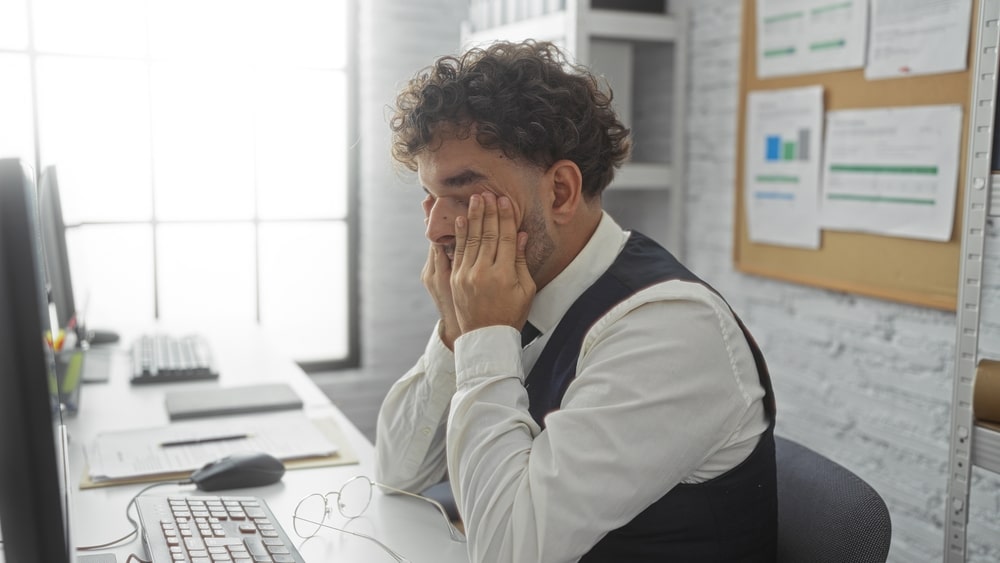
The Most Exhausted States Entering 2026
According to the Exhaustion Index, one state in particular is starting the year especially drained.
Top 10 most exhausted states:
- Utah (overall Exhaustion Score: 60)
- California (59)
- Louisiana (58)
- New York (58)
- Washington (55)
- Pennsylvania (55)
- Texas (54)
- Kentucky (54)
- Oklahoma (52)
- Ohio (52)
Utah ranks as the most exhausted state in the country, with California close behind. Louisiana and New York are tied, suggesting very similar levels of strain. Washington, Pennsylvania, Texas, and Kentucky also show consistently high fatigue-related searches, pointing to broader energy issues rather than a temporary rough week.
Other states like Florida, Oregon, and Michigan aren’t far behind, with Exhaustion Scores just a point or two lower than the top ten — another sign that early-year burnout is not isolated to one region.
How Exhaustion Is Showing Up Across the Country
The study didn’t just look at one type of tired. It broke exhaustion into four buckets:
- Mental fatigue
- Sleep-related fatigue
- Nutritional fatigue
- Physical fatigue
Different states are spiking in different ways.
Mental fatigue hotspots:
- Louisiana
- Utah
- New York
- Pennsylvania
- Florida
These are the places where people are more likely to be searching for things like “burnout,” “mentally drained,” “can’t focus,” and “no motivation.”
Sleep fatigue hotspots:
- Washington
- California
- Utah
- New York
- Ohio
Here, searches cluster around problems like “can’t sleep,” “trouble sleeping,” “poor sleep,” or “sleep but still tired.”
Nutritional energy strain:
- California
- Alabama
- Texas
- Kentucky
- New York
In these states, people are more likely to be Googling “energy crash,” “low iron,” “low vitamin D,” “tired after eating,” and “sugar crash.”
Physical fatigue:
- Utah
- Louisiana
- Pennsylvania
- Kentucky
- Iowa
These states over-index on phrases like “tired all the time,” “no energy,” “extreme tiredness,” and “body feels heavy.”
In many of the most exhausted places, those categories overlap. New York, for example, shows up in mental, sleep, and nutritional fatigue. That kind of pattern points to a more systemic energy problem — not just a few bad nights of sleep.
Registered dietitian Heather Koenig, who consulted on the analysis for Juice Plus+, notes that when the same states show elevated searches across multiple fatigue categories, it looks less like random tiredness and more like ongoing lifestyle strain building up over time.
Why the “January Reset” Isn’t Sticking
Culturally, January gets sold as a fresh start: you buy the planner, set the goals, join the gym. But if you’re already starting from an energy deficit, it’s very hard to “willpower” your way into new habits.
“We tend to think of low energy as a motivation problem, especially at the start of a new year,” Koenig explains. “But energy is physiological. When people start the year depleted, it becomes much harder to sustain habits, focus, or momentum. February is often when that gap becomes visible.”
That gap tends to show itself in February: the resolutions wobble, work ramps back up after the holidays, and a lot of people quietly realize they’re already too tired to sustain the routines they promised themselves in January.
Why Early-Year Fatigue Matters
Persistent low energy doesn’t just make you feel lousy; it changes how you live:
- Habits are harder to build. When you’re exhausted, things like cooking at home, exercising, or even keeping a regular bedtime start to feel like uphill battles.
- Focus takes a hit. Mental fatigue and brain fog make it harder to concentrate, plan, and stay organized at work or school.
- Sleep becomes more fragile. The more tired and stressed you are, the more likely you are to toss and turn, creating a loop that’s hard to break.
- Long-term health can suffer. Over time, chronic fatigue and stress can chip away at both physical and mental health, especially if they’re ignored or brushed off as “just being busy.”
Koenig says the real takeaway isn’t that certain states are “bad” at handling the new year. It’s that a lot of Americans are trying to chase big goals on a battery that never got recharged in the first place.
What To Do If You Recognize Yourself in This
If you live in one of the high-ranking states on the Exhaustion Index, you don’t need to panic — but it might be worth treating your energy levels as a real health signal, not just a nuisance.
Some starting points:
- Audit your sleep, not just your bedtime. If you’re constantly waking up tired, struggling to fall asleep, or relying heavily on sleep aids, that’s your cue to look closer at your routine — and, if needed, talk to a healthcare professional.
- Watch how your energy reacts to food. Feeling wiped after meals, craving sugar all day, or constantly searching for “why am I tired after eating” can hint at nutrition issues worth addressing with a doctor or dietitian.
- Pay attention to “tired but wired” stress. If your brain feels fried but your nervous system feels stuck on high alert, that’s mental fatigue showing up, not laziness.
- Don’t ignore the “always tired” baseline. Dragging yourself through every day isn’t just part of being an adult. Persistent fatigue, especially when it interferes with daily life, deserves real evaluation — not another round of caffeine.
And as always, any ongoing or severe exhaustion is a reason to check in with a medical professional. This study is about search behavior, not diagnoses.
And if all of this has you fantasizing about going somewhere you can actually catch up on sleep, you’re not alone. Travel providers are already seeing a rise in trips built around rest, quiet, and recovery. Recent rankings of the best U.S. cities for truly restorative, sleep-focused getaways are a good place to start if you’re thinking about trading burnout for a better night’s rest.
Or, if you’re curious what a more structured “prescription for wellbeing” looks like in real life, one writer tried a wellness-focused escape in Sweden’s Småland region and broke down exactly how other travelers can follow the same path — from slow days in nature to intentionally unplugging.
Sleep Tourism Is Surging – And These U.S. Cities Rank Best for Rest

Turns out, more of us are planning trips not around adventure or sightseeing…but around getting a good night’s sleep.
Read more: Sleep Tourism Is Surging – And These U.S. Cities Rank Best for Rest
I Tried Sweden’s Prescription for Wellbeing in Småland — Here’s How You Can Too
In this post, I’m sharing how you can follow “The Swedish Prescription.” This is a new kind of “travel therapy” that blends nature, good food, and slow design.
Read more: I Tried Sweden’s Prescription for Wellbeing in Småland — Here’s How You Can Too
Pamela Anderson Wants Americans to Rethink New Year’s Resolutions — With a “Reset” Trip to Canada

Pamela Anderson is teaming up with Destination Canada to ask a very 2026 question: do we actually need a “new” version of ourselves this year, or just a reset?
Read more: Pamela Anderson Wants Americans to Rethink New Year’s Resolutions — With a “Reset” Trip to Canada

