
U.S. Drinking Rate Hits an All-Time Low — Here’s What’s Driving the Decline
New Gallup data shows shifting attitudes toward alcohol, especially among women and younger adults.
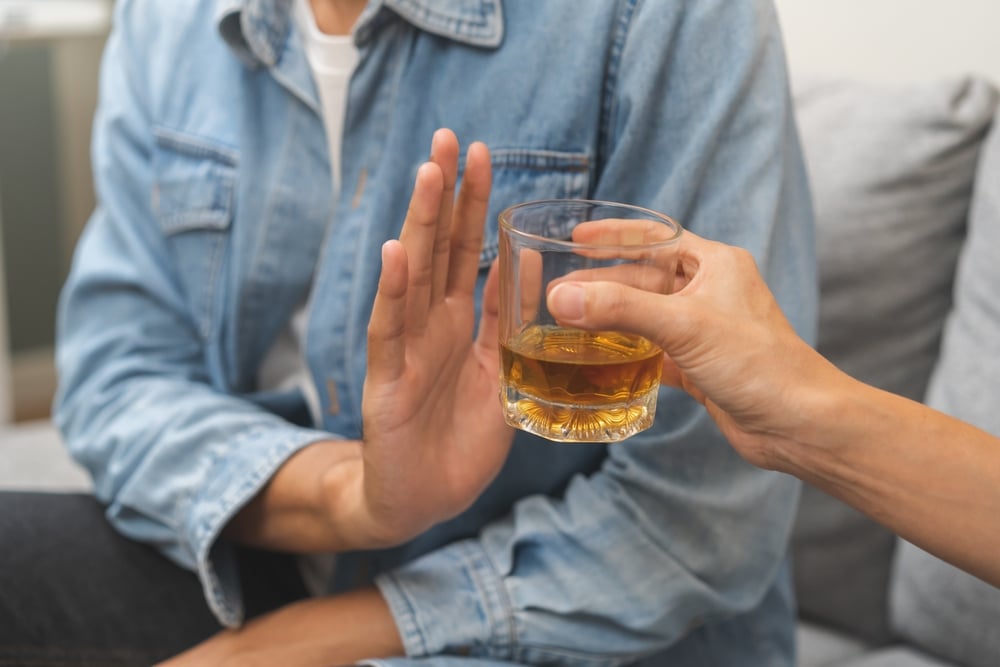
When I was in my twenties and early thirties, pouring a glass of wine after work felt like self-care. The advice back then was that a drink a day could relax you, maybe even help your heart. I believed it. Plus, growing up in Wisconsin, where beer is everywhere from fish fries to church picnics, drinking felt routine.
But research has caught up. There’s no safe amount of alcohol. I’ve eased off, no more nightly wine. Just a glass or two if it’s a special occasion. It’s paid off with steadier sleep and clearer mornings.
And, now, according to Gallup’s new data, I’m not the only one rethinking old habits.
Fewer Americans Are Drinking
Only 54% of U.S. adults now say they drink, the lowest share in Gallup’s nine-decade record. That’s down from 62% in 2023. The drop reaches nearly every group:
- Women: from 62% to 51%
- Men: from 62% to 57%
- White adults: from 66% to 55%
- People of color: steady near 50%
Adults under 35 show the steepest decline—59% last year, 50% now.
Party lines show differences, too. Republicans fell from 65% to 46% in two years; Democrats remain close to 61%.
And this shift isn’t about replacing alcohol with something else. Gallup found marijuana use has held steady for four years, so the decline reflects changing beliefs about alcohol’s impact — not a move toward other substances.

Rethinking “Moderation”
For the first time, a majority 53%, say even one or two daily drinks are harmful. Only 6% still view them as healthy.
Roughly two-thirds of adults under 35 call moderate drinking risky. About half of middle-aged adults and four in ten older adults agree. Women (60%) are more cautious than men (47%).
That perception ties directly to behavior. Among those who think alcohol is bad for their health, 49% had a drink in the past week, compared with 69% of others. They also consume less—4.5 drinks per week on average versus 6.4.
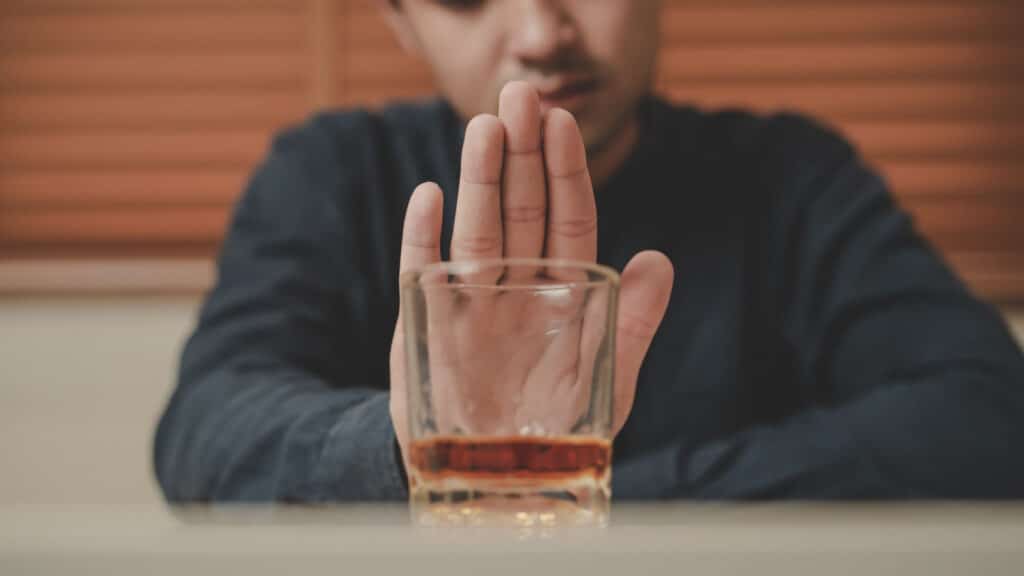
Lighter Pour, Longer Gaps
Among drinkers, frequency is sliding. 24% had a drink in the past day, a record low. 40% say it’s been over a week. Average weekly intake sits at 2.8 drinks, down from nearly four.
Those who view alcohol as unhealthy are drinking less often (49% vs. 69%) and in smaller amounts (4.5 vs. 6.4 drinks a week).
Beer Still Leads—Barely
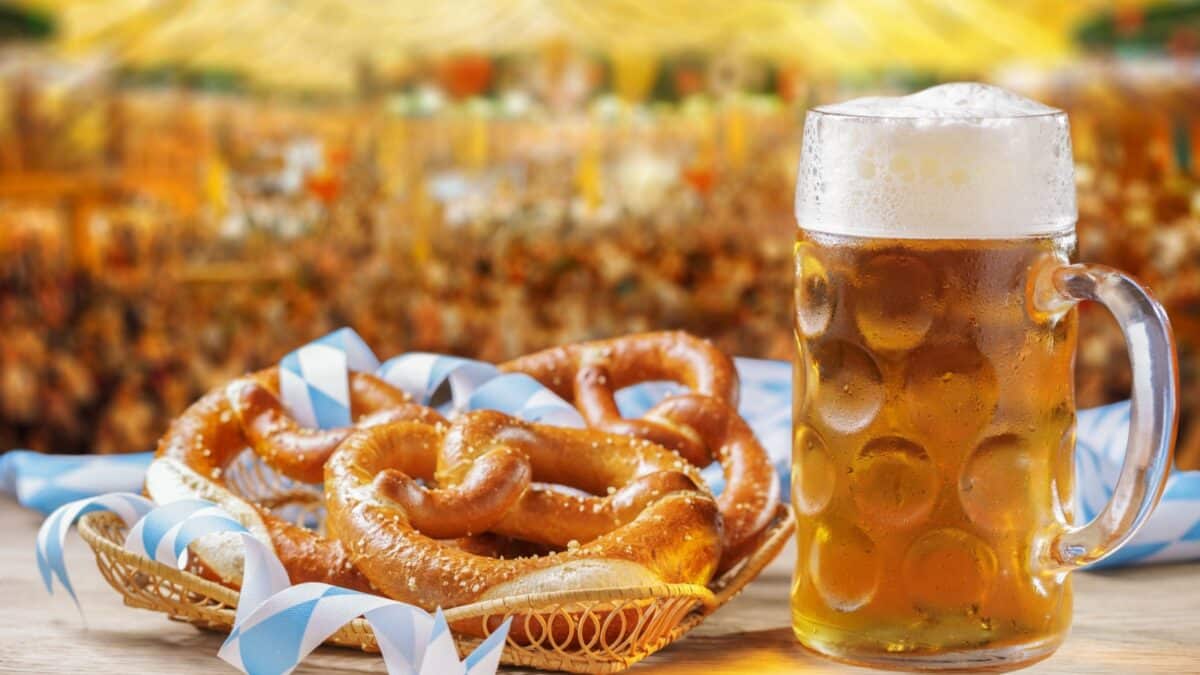
Beer remains the top choice (41%), with liquor and wine close behind at 30% and 29%.
- Men: 52% beer, 14% wine, 29% liquor
- Women: 44% wine, 23% beer, 32% liquor
Younger adults tend to favor beer; older drinkers lean toward wine. The broader trend is fewer people drinking at all.
In Wisconsin, Change Comes Slowly
Here in Wisconsin, alcohol is still part of daily life. Breweries host fundraisers. Supper clubs mix brandy old-fashioneds. Beer is even sold at youth sporting events.
Yet attitudes are shifting. At Lambeau Field, sober zones like Section Yellow are proving that game day can still be lively without alcohol. And while Wisconsin continues to rank high among the states that drink the most beer, more locals are starting to question whether every gathering needs a round.
Gallup’s data points to a steady reset. Americans are drinking less and deciding for themselves what place alcohol should have—if any.
Section Yellow Brings Sober Tailgating to Lambeau Field
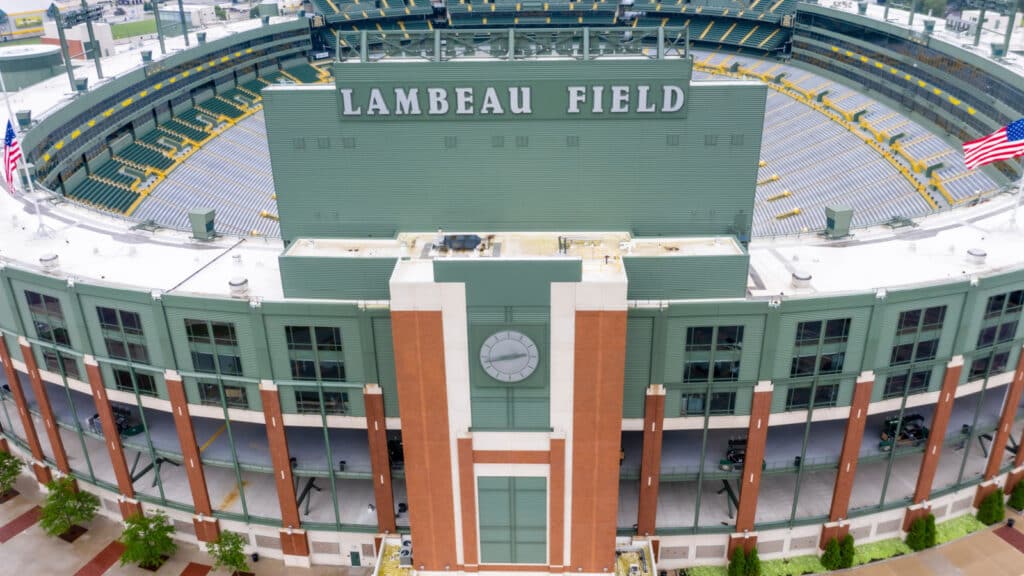
Wisconsin’s tailgating culture has also long gone hand in hand with alcohol. For many, that’s part of the ritual. For others, especially those in recovery, it can make game day feel off-limits.
Read more: Section Yellow Brings Sober Tailgating to Lambeau Field
The 10 States That Drink the Most Beer
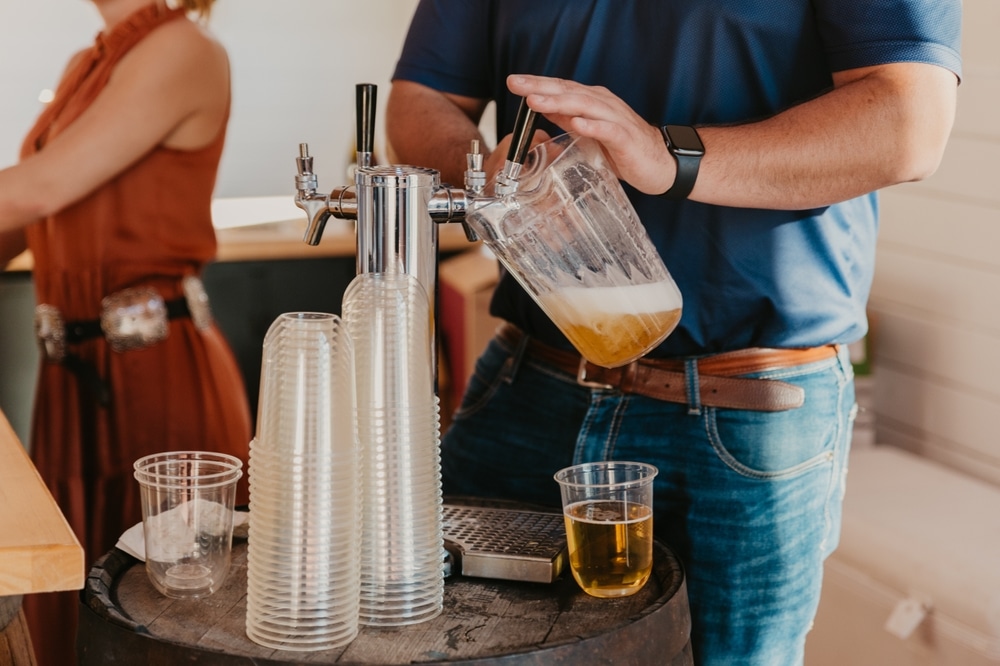
Data reveals where Americans are sipping (or chugging) the most beer—Wisconsin residents, prepare to be shocked.
Read more: The 10 States That Drink the Most Beer—And Wisconsin Isn’t Even #1
Americans Spend the Most on Booze Watching This Sport—And It’s Not Football

A new study reveals how much fans spend on alcohol by sport—and the top spender isn’t who you’d expect.
Read more: Americans Spend the Most on Booze Watching This Sport—And It’s Not Football

