
A New Study Calls Chicago One of America’s Most Nature-Starved Cities. I’m Not Convinced
Chicago ranked third on a new list of America’s most nature-starved cities, and I’m not entirely convinced it belongs there.
The city is obviously not a wilderness destination. But with 26 miles of lakefront, beaches, sprawling parks, the Riverwalk, and trails along Lake Michigan, “nature-starved” feels like a stretch.
The ranking makes more sense once you look at what the study measured, though it also reveals some major limitations in how it defines access to nature.
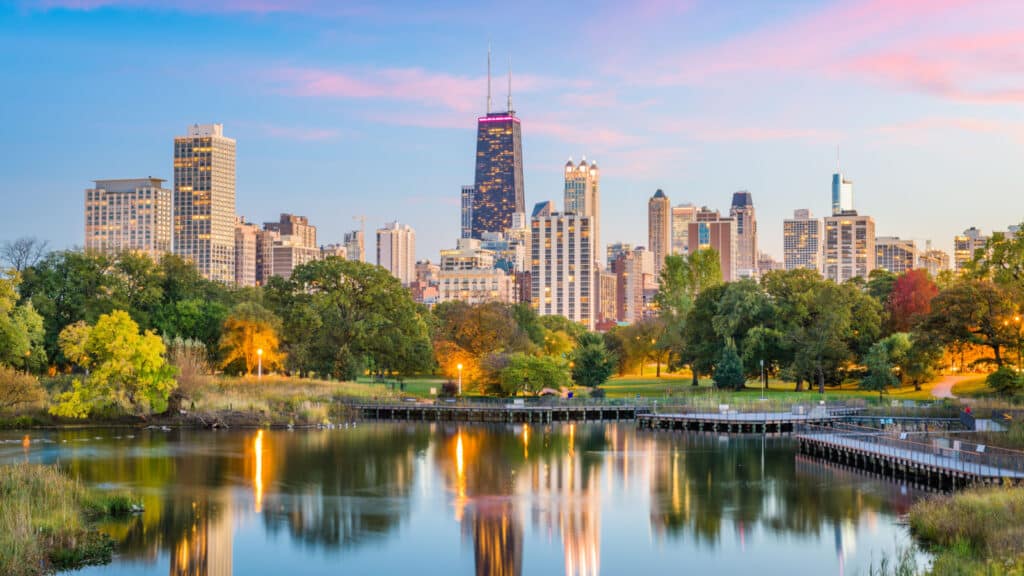
Why Chicago ranked so poorly
The Nature Deficit Index, created by outdoor apparel brand KÜHL, compared the 50 most populous U.S. cities using parkland, commute times, air quality, work-from-home rates, and distance to protected wilderness.
Long Beach and Los Angeles had the highest nature deficit scores, followed by Chicago, Fort Worth, and Anaheim.
Chicago’s score was hurt by its average commute of 36.7 minutes and the 52-mile distance residents must travel to reach what the study considers significant protected wilderness.
That is a fair criticism. A neighborhood park is not the same as hiking through a forest, and getting beyond the city requires time, transportation, and money.
But access to wilderness and access to nature are not quite the same thing.
Much of my favorite Chicago itinerary happens outside
I have visited Chicago many times, and several of the activities I recommend to first-time visitors involve being outside or directly beside the water.
Millennium Park is usually one of my first stops. Yes, most people are there to take a photo with The Bean, but the park also includes walking paths, gardens, fountains, lawns, and the Jay Pritzker Pavilion.
The Chicago Riverwalk is another favorite. I have spent time there walking beside the river with my brother, stopping to enjoy the views, and watching boats move between the buildings. It is very urban, but it is also open-air public space built around the water.

An architecture river cruise is one of the best things I have done in Chicago. The tour is about the buildings and the city’s history, but being out on the river and then Lake Michigan gives you a completely different sense of Chicago than you get while walking between skyscrapers.
My Chicago guide also includes Navy Pier, Lincoln Park Zoo, Museum Campus, and the Lakefront Trail. None of these qualifies as remote wilderness, but they hardly support the image of a city where nature is entirely out of reach.
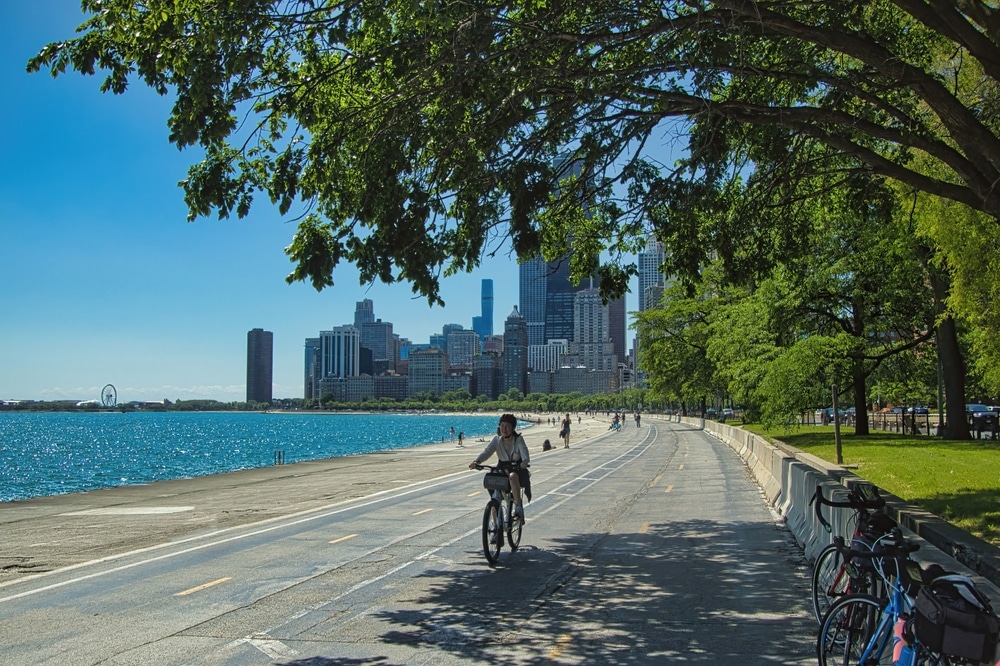
The lakefront changes the entire feel of the city
The Lakefront Trail is probably the clearest reason I question the ranking.
Chicago’s separated lakefront trails include an 18-mile bike route and an 18.5-mile pedestrian route stretching from the North Side to the South Side. They connect beaches, parks, neighborhoods, museums, and recreation areas along Lake Michigan.
I recommend renting a bike or simply walking part of the route. You pass beaches, marinas, grassy parks, and stretches where the lake seems to fill the entire horizon. The skyline is still there, but it does not feel like an “atmospheric cage,” to borrow the dramatic language used elsewhere in the study.
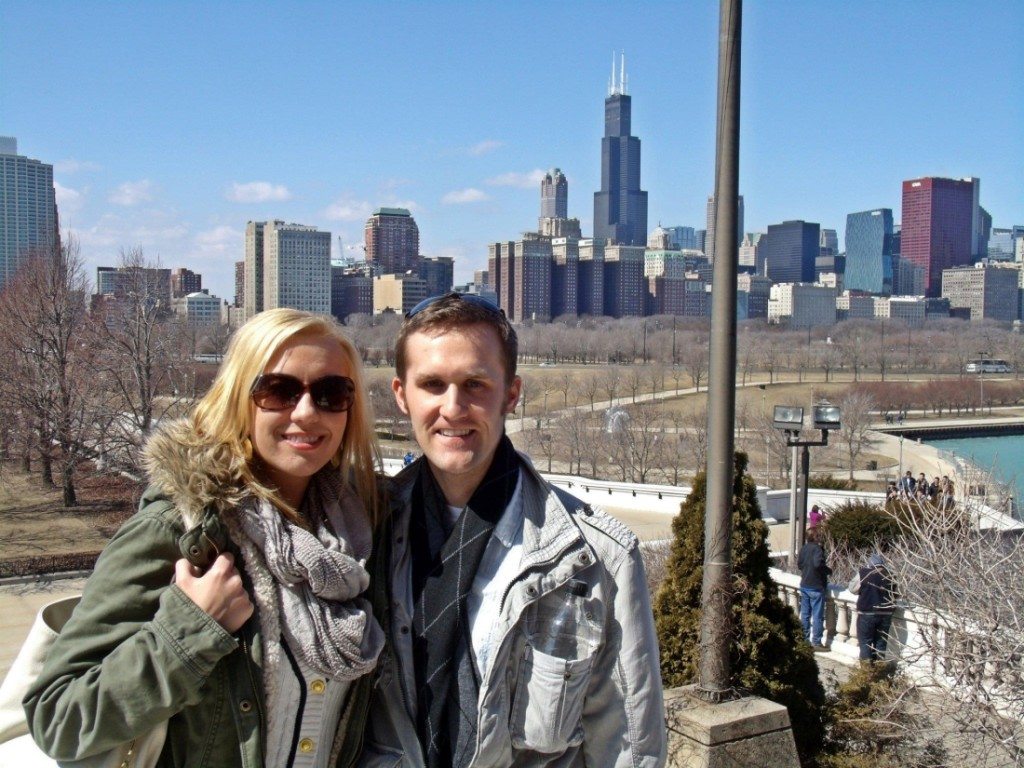
Museum Campus is another good example. Even when I am not visiting the Field Museum, Shedd Aquarium, or Adler Planetarium, I like walking beside the water there. The view back toward the skyline is one of the best in the city, especially around sunset.
Chicago also has more than 600 parks, over 8,800 acres of green space, and 26 miles of managed lakefront, according to the Chicago Park District. That does not erase uneven park access across neighborhoods, but it adds important context to the idea that the city is broadly disconnected from nature.
That does not mean every neighborhood has equal access. It does, however, make the phrase “nature-starved” sound a little dramatic.
The ranking favors wilderness over everyday outdoor space
Distance to protected wilderness accounts for 15% of a city’s Nature Deficit Index score.
That gives an advantage to cities located near federal or state protected land, even when they may not have Chicago’s waterfront paths, beaches, neighborhood parks, or riverfront spaces.
El Paso ranked as the least nature-starved city in the study, partly because residents live just seven miles from qualifying protected land.
That is impressive, but it measures a different kind of outdoor access.
In Chicago, getting outside may mean running beside Lake Michigan, spending an afternoon at the beach, walking through Lincoln Park, or sitting along the Riverwalk after work.
Those experiences are not wilderness, but I would still count them as meaningful access to nature.
The index also uses work-from-home rates as 15% of the final score, based on the idea that remote work may keep people indoors. The researchers acknowledge, however, that the data cannot show whether remote workers actually spend more or less time outside.
Someone working from home could be stuck at a desk all day. They could also use the time they once spent commuting to walk, run, or visit a park.
That metric feels more speculative than the others.
The study still makes a valid point
A visitor enjoying a summer weekend downtown has a different experience from a resident commuting across Chicago in January.
The lakefront is extensive, but it is not equally convenient to every neighborhood. Traffic can also turn a short distance on a map into a much longer trip.
Chicago is also not surrounded by major forests, mountains, or national parks. When residents want quiet trails or a weekend focused entirely on the outdoors, they will generally need to leave the city.
That is where the study has a point.

Lake Geneva is a manageable getaway for boating, beaches, biking, and the Geneva Lake Shore Path. Elkhart Lake is farther away but combines kayaking, paddleboarding, fishing, and nearby trails with good restaurants, resorts, and a spa.
Neither destination counts as everyday access for someone living in Chicago. They do show, however, that the city is not completely isolated from outdoor weekend options.
Chicago is urban, not nature-starved
I would never call Chicago a wilderness destination.
It is a dense city with traffic, long commutes, and plenty of concrete. Anyone looking for vast forests or remote hiking trails will need to travel.
But Chicago also has Lake Michigan, beaches, parks, the Riverwalk, and miles of trails within the city itself.
The Nature Deficit Index raises a fair question about how easily residents can reach true wilderness. Calling Chicago the third most nature-starved city in America, though, says more about the study’s definition of nature than it does about the full experience of spending time there.
Chicago Is One of America’s Most-Booked Summer Cities as Midwest Travel Surges
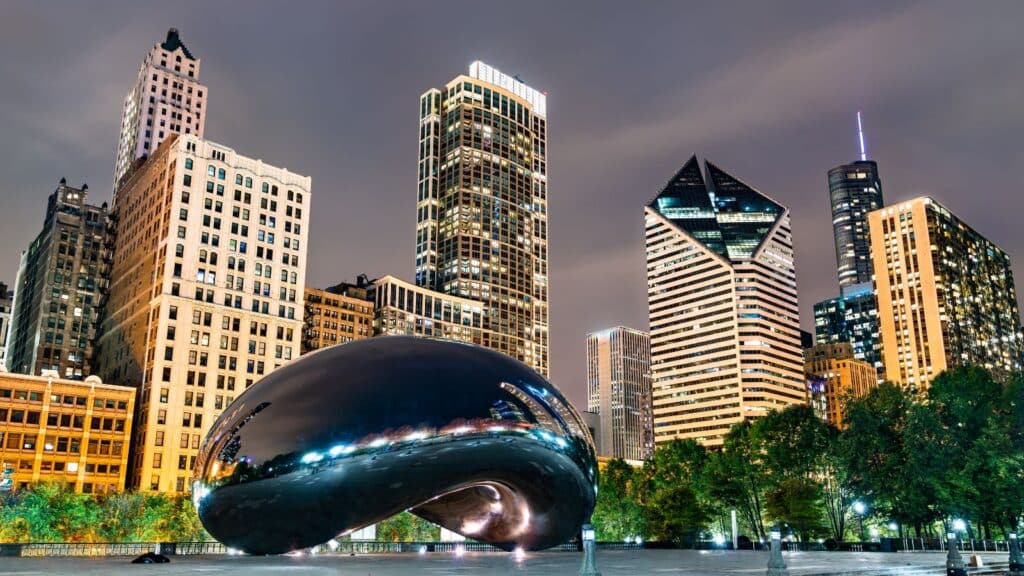
Fora’s latest booking data shows travelers choosing Chicago, Great Lakes escapes, national parks, and event-driven trips across the Midwest.
Read more: Chicago Is One of America’s Most-Booked Summer Cities as Midwest Travel Surges
The 20 Best U.S. Summer Travel Destinations for 2026 Were Just Ranked — Here’s the Countdown

WalletHub compared 100 metro areas using travel costs, local prices, attractions, weather, activities, and safety.
Read more: The 20 Best U.S. Summer Travel Destinations for 2026 Were Just Ranked — Here’s the Countdown
Elkhart Lake, Wisconsin Weekend Guide: Best Things to Do, Where to Stay, & Where to Eat
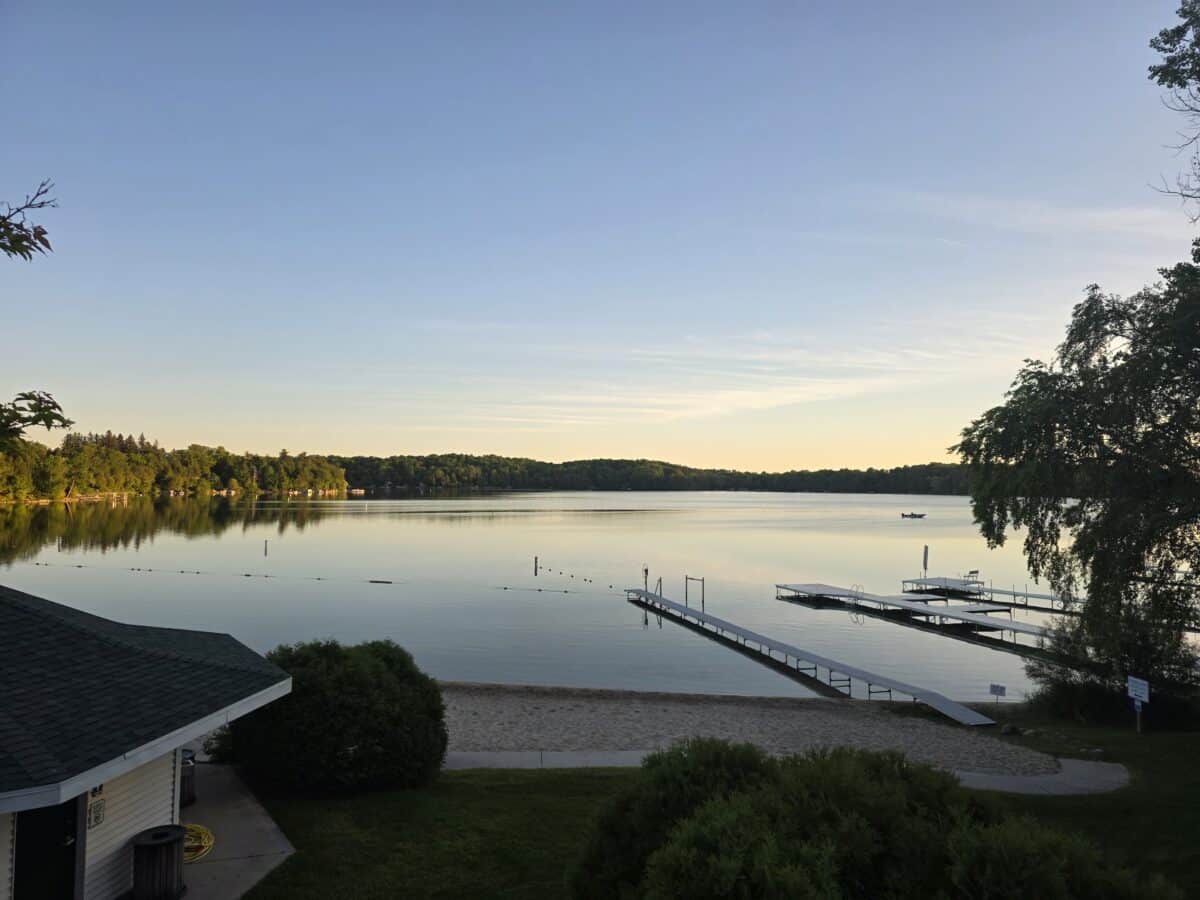
If you’re coming from Appleton or Green Bay, it’s an easy little getaway. From Milwaukee, Madison, or Chicago, it still feels very doable for a long weekend. Here are the best things to do in Elkhart Lake, Wisconsin, based on this trip, a few past visits, and the fact that I’m already trying to find an excuse to go back.
Read more: Elkhart Lake, Wisconsin Weekend Guide: Best Things to Do


Thanks for the great read! I’ve been to Chicago two different times – I wasn’t there for long, but I definitely enjoyed the experience.
Seems like there’s still nice nature to visit but have to travel a little longer.
I wasn’t even aware that they had trails along Lake Michigan
i have visit their ,iconic sculpture
Was gonna move there years ago
I have never been there before
I’d still like to see a lot more nature in Chicago
I like your article on Chicago, almost went there on a trip I won once, but got sick so missed it.