
Forget the Vacation Cocktails: How Alcohol-Free Trips Help You Sleep Better and Actually Remember Your Vacation
More travelers are skipping booze on vacation and finding they sleep better, feel calmer, and remember far more of the trip.
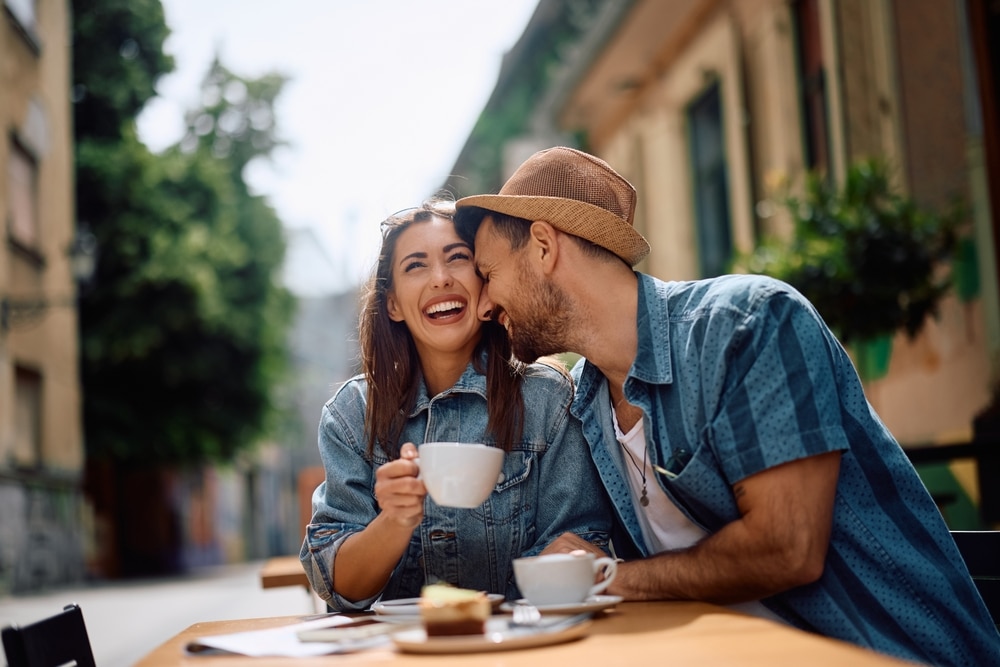
For years, alcohol has been treated as part of the standard vacation kit. Airport bars buzz before sunrise, resorts push “bottomless” brunch, and a cocktail by the pool is practically considered proof that you’re officially off duty.
But more travelers are beginning to ask a different question: are those drinks actually making the trip better, or are they just making everyone more tired, more anxious, and a lot fuzzier on the details?
According to Lauren Edwards, Community Outreach Coordinator at Virginia Recovery Centers in Virginia, skipping alcohol on vacation doesn’t shrink the experience. In many cases, it does the exact opposite.
“People are surprised to realize how much more vivid and energized their trips feel when they don’t drink,” Edwards says. “They sleep better, remember more, and don’t spend half the vacation recovering from the night before.”
Here’s how alcohol-free travel can change the way a trip actually feels.

You Finally Sleep in That Expensive Hotel Bed
A lot of travelers still think of a glass of wine or a nightcap as their off-switch at the end of the day. In reality, alcohol and sleep are a pretty rough combination.
“Alcohol might make you feel sleepy at first, but it fragments your sleep and interferes with REM,” Edwards explains. That’s the stage that helps your brain and body actually recover. On the road, you’re already fighting jet lag, strange beds, new noises, and overstuffed itineraries. Adding alcohol on top of that is a simple way to guarantee restless nights and heavy mornings.
People who take a break from drinking on vacation often notice the shift fast. They fall asleep more easily in unfamiliar beds, wake up fewer times during the night, and don’t open their eyes feeling like their head is full of sand. Jet lag becomes more manageable, not something that steamrolls the first two days. Early tours and flights still aren’t fun, but they’re no longer impossible.
Without the dehydration and sleep disruption that alcohol brings, mornings stop being a slow-motion recovery project. Instead of spending the first hours of the day chasing coffee and painkillers, you can actually use that time to explore the place you paid to be in.
Your Energy Finally Matches the Itinerary
Most trips look ambitious before you leave. There’s a list of restaurants to try, neighborhoods to walk through, museums to see, markets to wander, maybe a sunrise viewpoint or two. Then alcohol edits that schedule down. A “fun night out” snowballs into a late start, a sluggish afternoon, and a lot of “maybe we’ll do that tomorrow.”
“People don’t always connect their low energy to the drinks from the night before,” Edwards says. “They just know they’re too tired to do what they planned.”
When alcohol isn’t part of the picture, energy levels have a better chance of matching the itinerary. That morning walk actually happens instead of getting canceled in favor of a nap. A museum visit doesn’t feel like punishment. You can say yes to the long walking tour or the evening food crawl without wondering if you’ll pay for it the entire next day.
There’s also less mental noise around drinking itself. You’re not constantly trying to calculate whether another round will wreck tomorrow’s plans or debating if you “deserve” a second cocktail because you walked so much. That freed-up brain space can go back into the city or landscape in front of you instead of into damage control.
Your Travel Memories Don’t Blur Together
The differences aren’t just physical. Alcohol affects how your brain encodes memories, even when you never get anywhere near a blackout.
“People often tell me they remember trips in fragments when they were drinking,” Edwards says. “They remember that they had fun, but not a lot of specific details.”
Take alcohol out of the equation, and those details have a better chance of sticking. Travelers are more likely to remember the exact taste of a dish instead of just that “the food was good.” They recall how a street sounded at dusk or what it felt like to sit and talk with a stranger on a train. Conversations are clearer. Moments that felt meaningful at the time don’t dissolve the second you get home.
Photos start to work differently, too. Instead of functioning as proof that something happened, they act as little prompts that bring back memories that are already intact. That matters, because the real souvenir from most trips isn’t a keychain or a receipt. It’s how it all felt.

You Stop Organizing Every Day Around Recovery
Even when people don’t say it out loud, alcohol has a way of shaping the entire day. The planning language gives it away: we’ll sleep in after that night out; we’ll keep the next afternoon light; we need to find coffee immediately; we’ll stick close to the hotel in case we’re tired.
None of that is wrong or shameful, but it shows how much of the schedule bends around recovery.
Take alcohol off the table, and that constant negotiation mostly disappears. There’s a sense of relief in knowing you’ll feel roughly the same tomorrow as you do tonight. You don’t have to weigh every late dinner or rooftop bar against tomorrow’s train or tour time. Days feel less compressed and less fragile.
Many people also report an emotional difference. Without alcohol, anxiety often eases up, moods feel steadier, and navigating unfamiliar places becomes less overwhelming. When you’re dealing with language barriers, crowded public transport, unfamiliar roads, or basic safety concerns, being clear-headed isn’t about being “good.” It’s just practical.
Travel Can Actually Make It Easier to Skip the Drinks
If the idea of skipping alcohol sounds harder on vacation than it does at home, Edwards says a lot of people find the opposite.
“Travel disrupts routine, and routine is where most drinking habits live,” she explains. The familiar cues aren’t there. There’s no regular “wine o’clock,” no favorite bar after work, no automatic pour when you start cooking dinner. Instead, your focus shifts to catching the right train, making your reservation time, or figuring out which side of the street you need to be on.
That disruption can work in your favor. Days are already full, and alcohol starts to feel less like a reward and more like something that might derail the momentum you’ve built. Social situations still come up, but the pressure can be lower than it is in your regular life. A simple “I’m not drinking on this trip” is often enough. With non-alcoholic cocktails, beers, and wines now showing up on menus all over the world, you’re less likely to feel like the odd one out.

Who Notices the Biggest Difference?
Anyone can try an alcohol-free trip or even just an alcohol-free stretch of days, but some travelers tend to see especially big benefits.
Parents often appreciate having steady energy and a clear head when they’re keeping up with kids in unfamiliar places. Wellness-focused travelers, who already prioritize rest, movement, or mental health, find that staying away from alcohol lines up with the kind of reset they’re hoping to get. Active travelers, like hikers and cyclists, feel the effects in their sleep, balance, and stamina almost right away.
Edwards says the group that often benefits the most, though, are people who are burnt out before they even get to the airport.
“When people are traveling specifically to rest and reset, alcohol often works against that goal,” she says. It may feel relaxing in the moment, but it usually takes from the next morning. Alcohol-free travel, by contrast, supports deeper recovery. Bodies bounce back better. Brains unwind more fully. Even simple things like waking up without a pounding headache can change the entire tone of a trip.
It Doesn’t Have to Be All or Nothing
Trying alcohol-free travel doesn’t require a permanent label or a perfect track record. Some people decide not to drink for an entire trip. Others pick specific days or occasions where they might have a drink and leave the rest of the schedule dry.
“The goal isn’t perfection. It’s noticing how you feel,” Edwards says. For many travelers, that experiment alone is pretty eye-opening. They pay attention to how they sleep, how much energy they have, how anxious they feel walking around at night, and how clearly they remember conversations and small moments.
In the end, sober or not, most people want the same thing from their time away: a trip they actually experience, not one they just patch together afterward.
If you’re curious how this fits into the bigger picture, there’s growing evidence that Americans are drinking less than they used to, and even classic traditions like NFL tailgates are getting a sober makeover — including a Green Bay fan community that’s built an alcohol-free tailgating scene right outside Lambeau Field.
U.S. Drinking Rate Hits an All-Time Low — Here’s What’s Driving the Decline
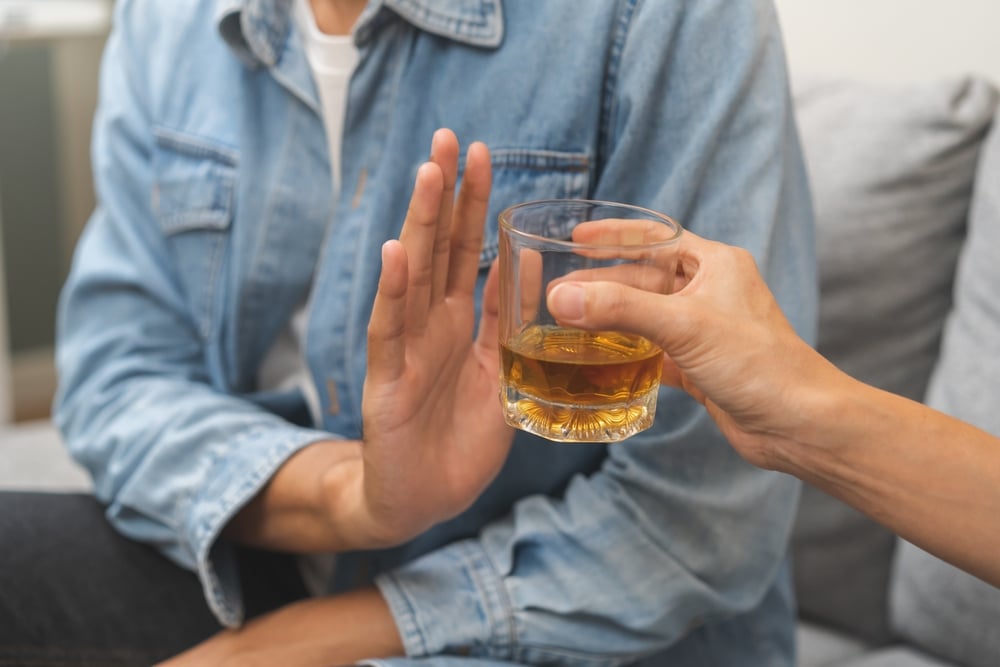
New Gallup data shows shifting attitudes toward alcohol, especially among women and younger adults.
Read more: U.S. Drinking Rate Hits an All-Time Low — Here’s What’s Driving the Decline
Section Yellow Brings Sober Tailgating to Lambeau Field
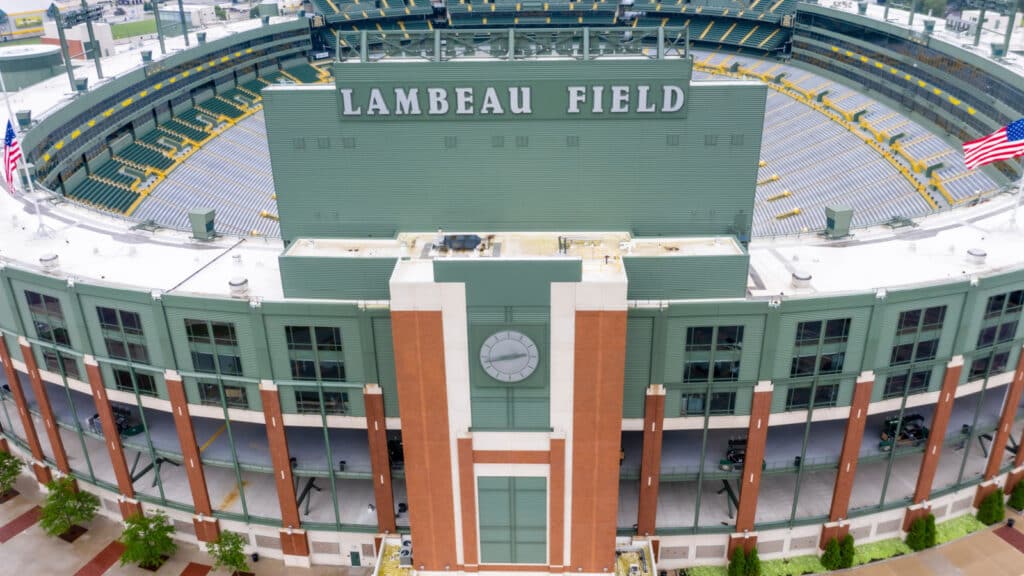
Wisconsin’s tailgating culture has also long gone hand in hand with alcohol. For many, that’s part of the ritual. For others, especially those in recovery, it can make game day feel off-limits.
Read more: Section Yellow Brings Sober Tailgating to Lambeau Field
The 10 States That Drink the Most Beer
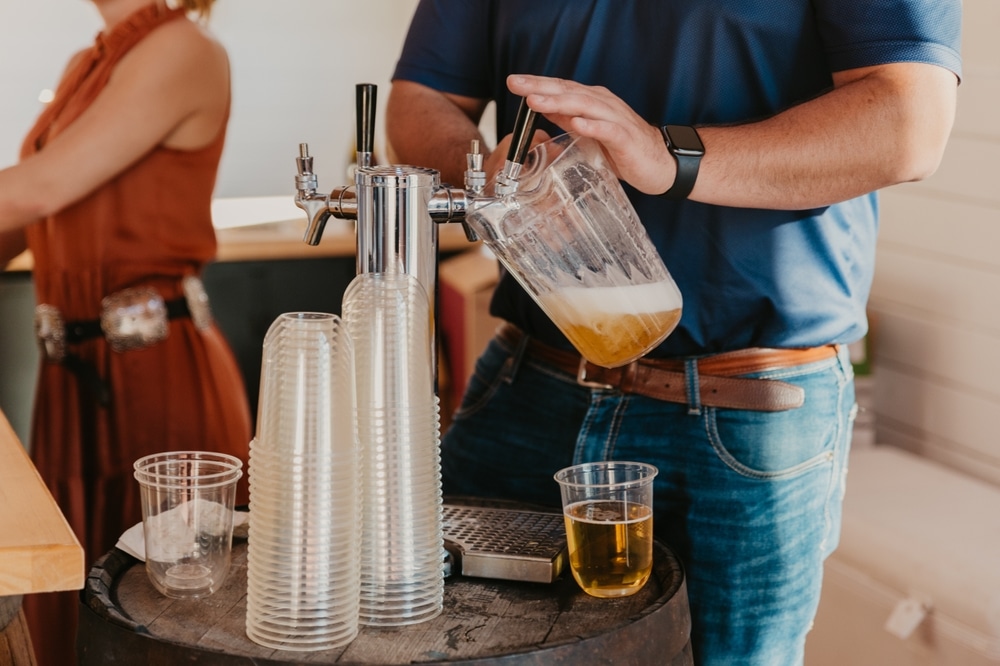
Data reveals where Americans are sipping (or chugging) the most beer—Wisconsin residents, prepare to be shocked.
Read more: The 10 States That Drink the Most Beer—And Wisconsin Isn’t Even #1
Americans Spend the Most on Booze Watching This Sport—And It’s Not Football

A new study reveals how much fans spend on alcohol by sport—and the top spender isn’t who you’d expect.
Read more: Americans Spend the Most on Booze Watching This Sport—And It’s Not Football
