
Nearly 30% of Americans Say They’ve Had an Intimate Relationship With AI
A new study reveals who’s doing it, why, and whether it counts as cheating.
Artificial intelligence is creeping into almost every corner of our lives, from how we shop to how we learn and, of course, how we work. But now it’s edging into a space once considered exclusively human: romantic and intimate relationships.
A new study by Vantage Point digs into how Americans are forming emotional and even sexual bonds with AI, and the numbers are way higher than you might expect. This isn’t sci-fi anymore. It’s happening in real living rooms, on smartphones, and in late-night “just for fun” conversations that turn into something more complicated.
And whether you find it fascinating or unsettling, the research reveals something big: AI is reshaping how people define connection, commitment, and even cheating.
Here’s what the study uncovered — and what it might say about the future of love.
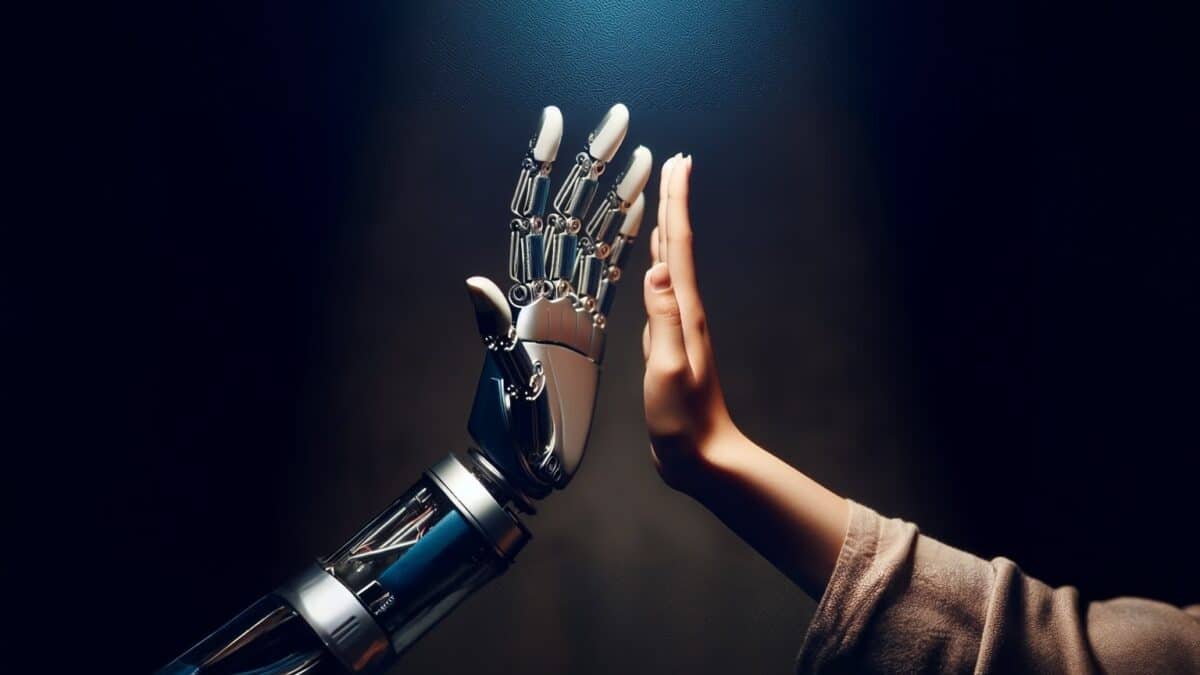
More Than Half of Americans Say They Have “Some Type” of Relationship With AI
The first surprise? 53.95% of adults say they have some kind of relationship with an AI system.
That doesn’t automatically mean romance. It could be:
- A work-style relationship
- A platonic friendship
- A “therapist-ish” connection
- A fitness-coach dynamic
- Or even something people describe as parental or sibling
But still, more than half of U.S. adults see AI as more than a tool? That’s a big change.
The most common platforms people feel connected to:
- ChatGPT
- Character.ai
- Alexa
- Siri
- Google Gemini
From there, the list ranges widely — Claude, Perplexity, Copilot, Replika, Soulmate AI, Anima, Muah AI, and even Grammarly. Basically, if it talks back, someone out there feels bonded to it.
But Here’s the Headline: 28% Say They’ve Had an Intimate or Romantic Relationship With AI
Nearly three in ten adults (28.16%) openly admitted they’ve engaged in an intimate or romantic relationship with AI.
This includes everything from:
- Casual sexual chats
- Virtual “dating”-style connections
- Long-term, committed AI relationships
- Or what people describe as “relationships… but not real relationships, obviously”
One participant summed their experience up bluntly:
“I have sexual chats but I don’t see it as a relationship. It’s a thing.”
Whether or not they think it’s a relationship, the behavior is definitely intimate.

The Wild Twist: People in Successful Human Relationships Are More Likely to Try AI Intimacy
This is the opposite of what most people assume.
According to the study:
- Among the people who say they have any kind of relationship with AI, more than half (52.20%) say at least one of those connections is romantic or intimate.
- 53.34% of these same individuals are in successful committed relationships with real partners — marriage, long-term dating, etc.
- 33.69% admit they’re cheating (or casually dating multiple humans at once).
- 19.30% are single and seeking.
- 11.93% are in consensual multi-partner relationships.
When all categories overlap, up to 87% of people involved with AI romantically also have some form of active human romantic or sexual relationship.
So AI relationships aren’t just for people who feel lonely. Curiosity and novelty are huge drivers — even among folks who are happy with their partners.
Is It Cheating? Depends Who You Ask — And Older Adults Are Shockingly Chill About It
This is where things get really spicy.
When asked whether having a romantic or intimate AI relationship while being in a committed human relationship is considered cheating:
Most likely to say it is cheating:
- Ages 18–29: 56.52%
- Ages 30–44: 52.38%
Most likely to say it’s not cheating:
- Ages 60+: 50.29%
Older adults are actually the most open to the idea that AI intimacy isn’t cheating at all — something nobody saw coming.
Middle-aged adults (45–60) were the most likely to choose “cheating, but acceptable,” suggesting a kind of… pragmatic realism?
Regardless of age, everyone seems a little conflicted.

Why People Turn to AI for Intimacy
The study doesn’t pretend to have every answer, but the themes are clear:
- AI offers safety
There’s no rejection, no awkwardness, no vulnerability hangover. - AI offers novelty
It feels new, different, and customizable. - AI offers emotional responsiveness
And it never gets tired, annoyed, or too busy. - AI offers fantasy
People can explore without real-world consequences.
But the study is blunt about the risks, too:
- Higher likelihood of social withdrawal
- Signs of addictive behavior
- Potential to erode or destabilize human relationships
- Difficulty differentiating fantasy vs. emotional dependency
So… What Does This Mean for the Future of Love?
We’re entering a moment no previous generation has had to navigate: the idea that an algorithm can be a partner, a confidant, a lover, or something in between.
Whether that feels comforting or unsettling will depend on the person.
But the study makes something very clear:
AI relationships are no longer fringe. They’re becoming mainstream — fast.
And if you ever find yourself curious about AI intimacy, the takeaway isn’t to panic. It’s to check in with yourself:
- Am I looking for comfort or escape?
- Is this helping me or isolating me?
- Am I being honest with my real-life partner?
- Is this connection supporting or replacing human relationships?
AI can mimic companionship — but it can’t replicate the messy, unpredictable, deeply human magic of real relationships. And that’s still where the good stuff usually lives.
Survey: Nearly half of Americans used AI to plan a trip—but most still don’t trust it

From booking flights to finding hidden gems, Americans are turning to AI for travel help.
Read more: Survey: Nearly half of Americans used AI to plan a trip—but most still don’t trust it
A Woman Asked Facebook How to Get More Attention — and the Responses Went Fully Off the Rails

Need a laugh? A single post led to one of the funniest comment threads you’ll read all week.
Read more: A Woman Asked Facebook How to Get More Attention — and the Responses Went Fully Off the Rails
21 Things That Instantly Show Someone Was Raised Right

It doesn’t take long to spot when someone grew up with solid values. From little courtesies to how they treat strangers, these small actions speak volumes. Here are the top answers people gave when asked what immediately shows a person was raised right:
Read more: 21 Things That Instantly Show Someone Was Raised Right