
The 10 States Where People Spend the Least on Groceries, According to New Data
New analysis shows residents in these states hand over the smallest share of their paychecks for groceries — and it has a lot more to do with income than cheap food.

Grocery prices have jumped nearly 30% since 2019, according to USDA figures, and plenty of families feel like the checkout line is where their budget goes to die. But a new state-by-state analysis shows that not everyone is feeling the squeeze in quite the same way.
WalletHub compared the price of 26 everyday grocery items in all 50 states and stacked that total against each state’s median household income. The goal: find out where people are giving up the smallest slice of their pay just to stock the fridge.
One big takeaway is that the states that spend the least share of their income on groceries aren’t necessarily the ones with bargain-basement prices. They’re mostly high-earning states, where bigger paychecks help absorb even relatively expensive food costs.
Here’s a closer look at the 10 states where groceries take up the smallest share of the median income.

1. Massachusetts
Grocery spending as a share of median monthly income: 1.51%
Massachusetts ranks at the very bottom of WalletHub’s list, meaning residents spend the smallest share of their paychecks on groceries. That doesn’t mean Boston-area supermarkets are some kind of secret budget paradise — food can be pricey here. What really tips the scales is income. Massachusetts has one of the highest median household incomes in the country, so even elevated grocery bills still eat up a smaller percentage of what people earn each month.
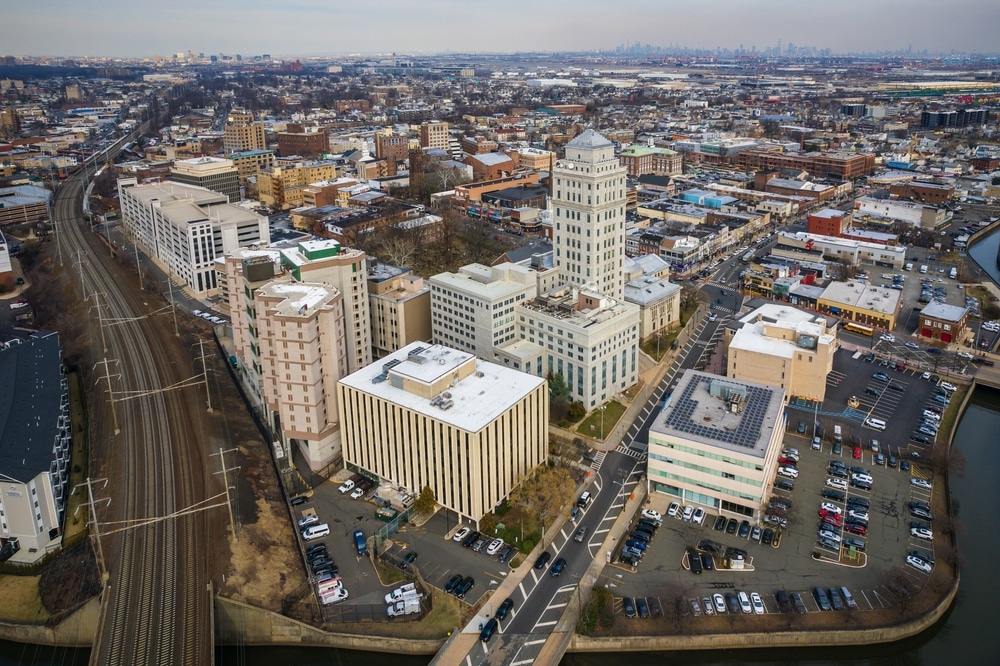
2. New Jersey
Grocery spending as a share of median monthly income: 1.51%
New Jersey is tied with Massachusetts at 1.51% of median income going to groceries. Again, this isn’t a story about super-cheap food. Anyone who’s shopped in North Jersey or along the Shore knows prices can sting. But the state’s relatively high wages help offset that. When your household income is stronger, you can absorb higher sticker prices without sacrificing as big a slice of your monthly budget.
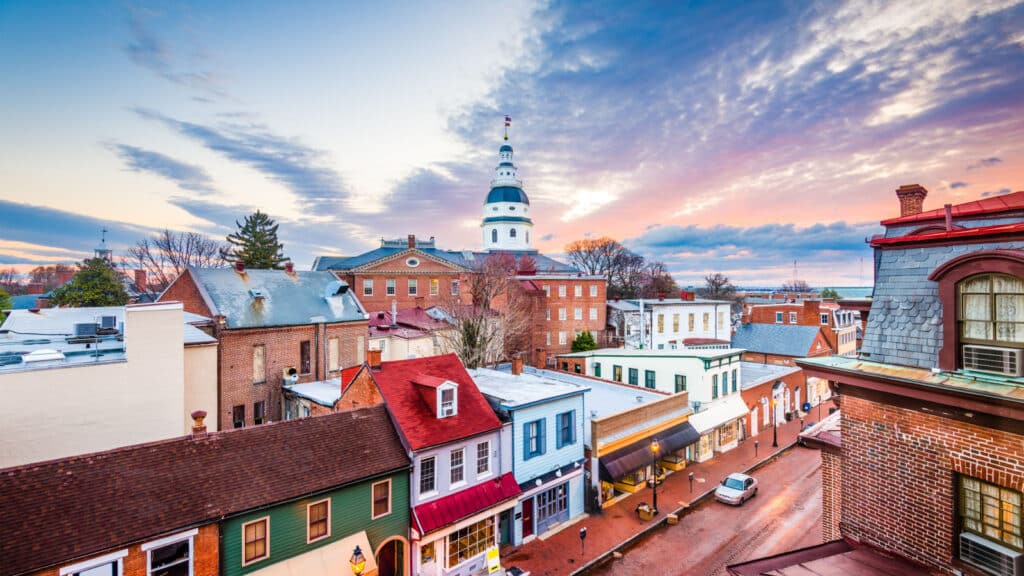
3. Maryland
Grocery spending as a share of median monthly income: 1.55%
Maryland comes in third, with households devoting just 1.55% of the median income to groceries. The state’s strong job market and high-paying sectors, especially in the D.C. metro area, give residents more breathing room. Groceries still cost what they cost, but the typical paycheck is large enough that food spending doesn’t dominate the budget the way it does in lower-income states.
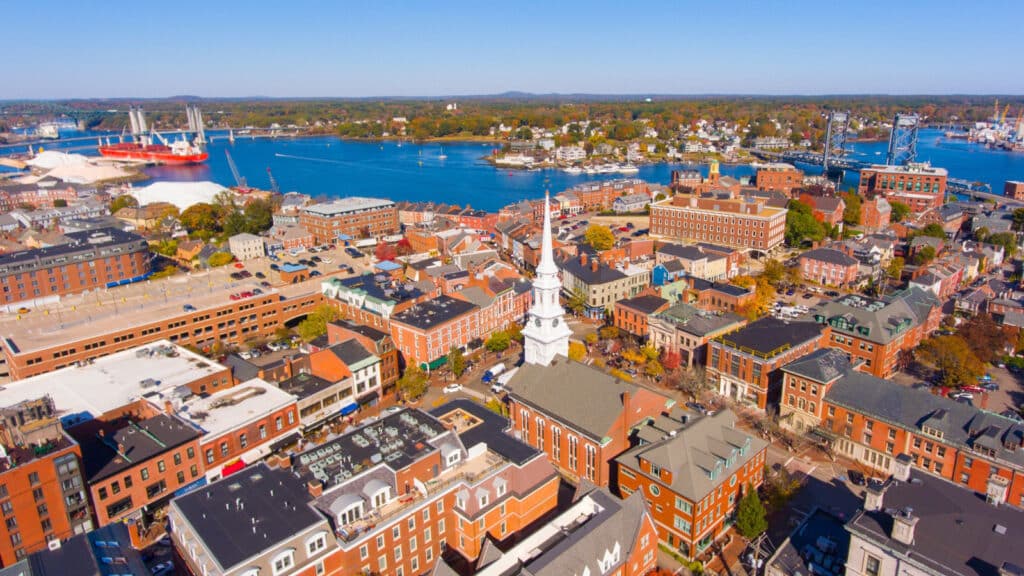
4. New Hampshire
Grocery spending as a share of median monthly income: 1.56%
New Hampshire residents are spending around 1.56% of their income on groceries. That lower share reflects the state’s relatively high incomes and low unemployment. Even with New England-level prices on some items, many households have enough earnings to keep grocery spending in check as a percentage of what they bring in.
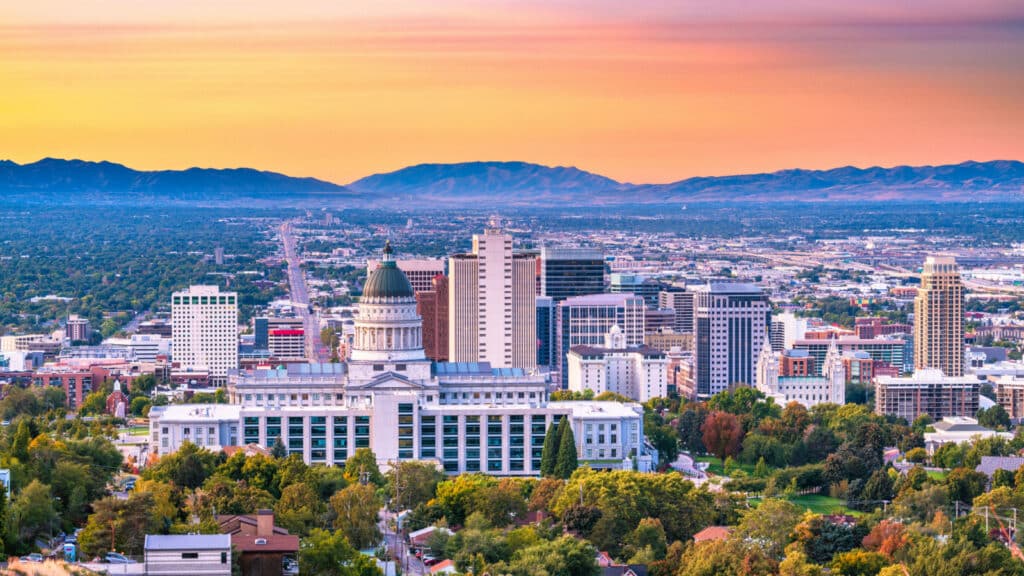
5. Utah
Grocery spending as a share of median monthly income: 1.58%
In Utah, groceries account for about 1.58% of the median income. The state has been growing fast, with a strong economy and solid wages, which help households stay on top of rising food costs. Larger families are common here, but the data suggests incomes are generally keeping pace well enough that groceries don’t swallow an outsized chunk of the typical paycheck.
6. Connecticut
Grocery spending as a share of median monthly income: 1.61%
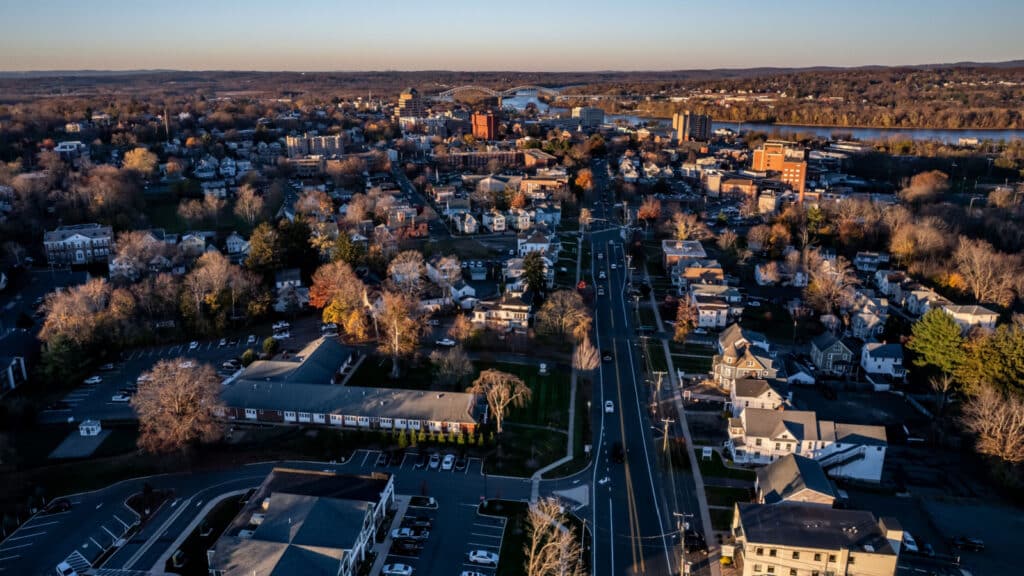
Connecticut isn’t known as a cheap place to live, and food is no exception. But the state also boasts some of the highest household incomes in the U.S. That combination means residents may still wince at the bill in the moment, yet groceries account for a relatively modest share of their overall earnings when you zoom out and look at the monthly budget.

7. Colorado
Grocery spending as a share of median monthly income: 1.61%
Colorado ties Connecticut at 1.61%, landing in seventh place. The Front Range has seen costs climb across the board, but rising incomes have helped keep grocery spending from ballooning as a percentage of what households make. For many residents, housing is the bigger budget headache, not the food bill.
8. Virginia
Grocery spending as a share of median monthly income: 1.63%
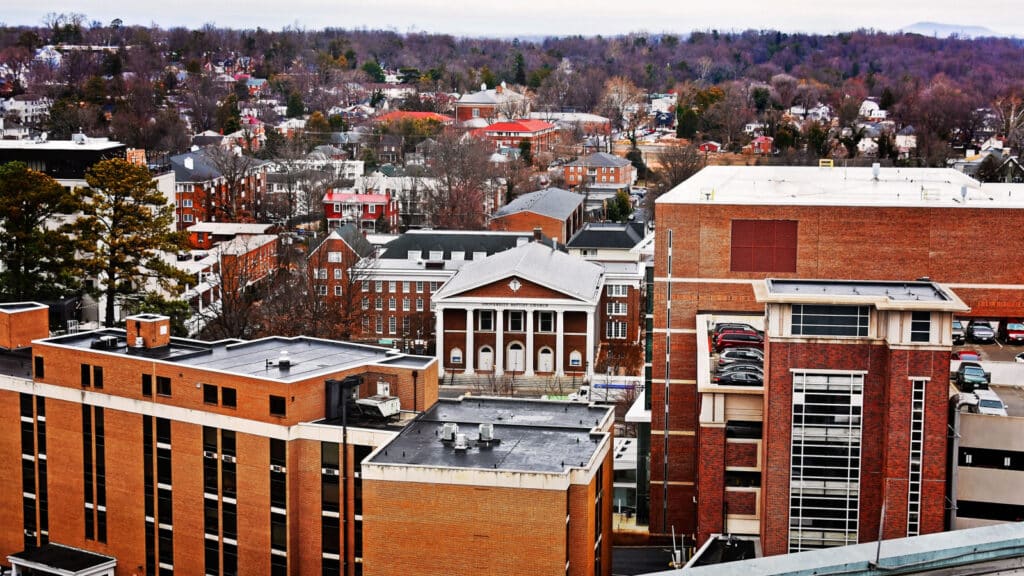
In Virginia, groceries take up about 1.63% of the median income. Strong wages in areas like Northern Virginia help bring the state’s overall share down, even if prices can feel steep in certain cities and suburbs. The numbers suggest food costs here are easier to absorb than in states where paychecks are smaller.
9. California
Grocery spending as a share of median monthly income: 1.66%
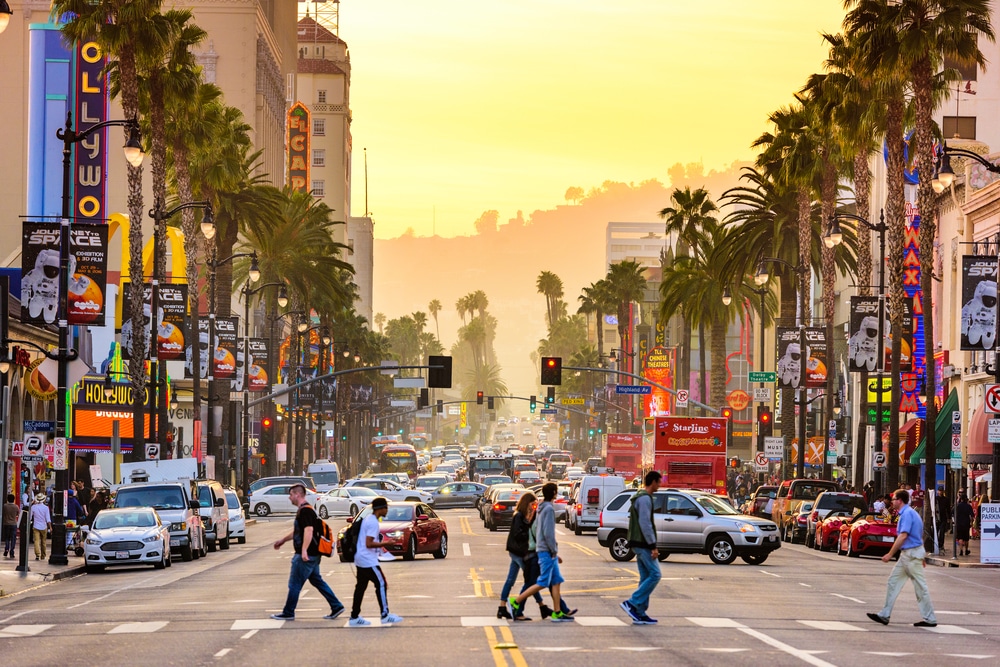
California is notorious for high living costs, and grocery prices are part of that story. But the state also has many high-income households, which changes the math when you look at percentages instead of raw dollar amounts. At around 1.66% of median income going to groceries, the typical Californian is still giving up less of their paycheck for food than residents in most of the country — even if the bill itself looks brutal.
10. Washington
Grocery spending as a share of median monthly income: 1.66%
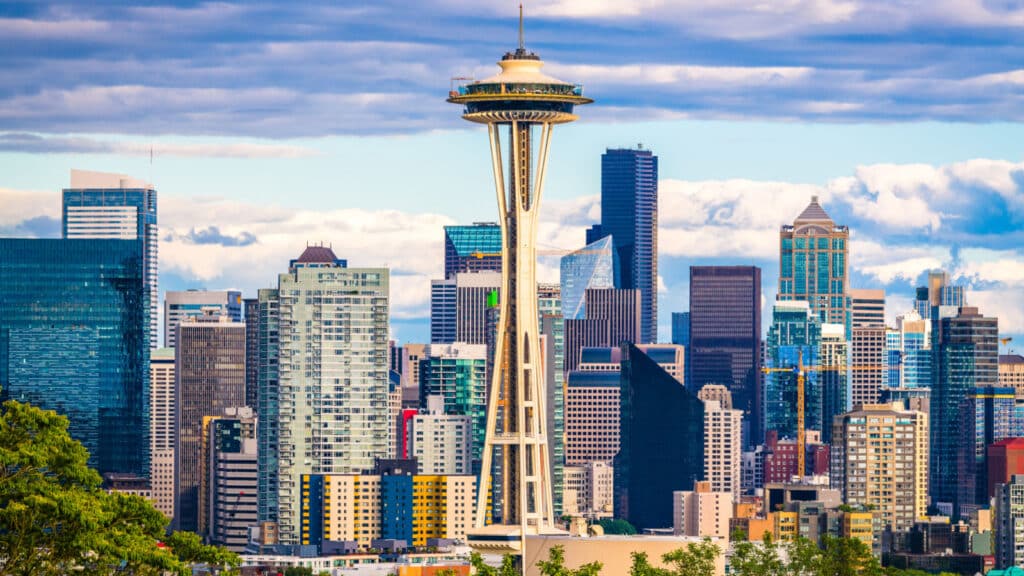
Rounding out the list is Washington, also at 1.66%. Tech-driven wages in the Seattle area, plus strong incomes in other parts of the state, help cushion the impact of food inflation. Groceries definitely aren’t “cheap,” but the typical paycheck is large enough that they don’t eat up as big a share of monthly income as they do in lower-wage states.
Looking across the list, a clear pattern shows up: these are mostly high-income states. Some of them also have relatively high grocery prices, but bigger paychecks change how those prices land in a monthly budget.
And if you want to see the other side of the story, there’s also a breakdown of the states where households are spending the biggest share of their income on groceries.
The 10 States Where People Spend the Most on Groceries, According to New Data

New analysis shows families in some states are handing over a far bigger share of their paychecks for basic groceries than households in wealthier parts of the country.
Read more: The 10 States Where People Spend the Most on Groceries, According to New Data
Stop Falling for These 6 Sneaky Restaurant Tricks—A Money Expert Reveals How They’re Designed to Make You Spend More

From “decoy dishes” to sneaky typography, here’s how menus manipulate you—and how to fight back.
Grocery Shopping Experts Share Their 13 Best Go-to Hacks and Tips

Grocery shopping is one of the most common tasks, but not all people can handle it easily. Thankfully, experienced shoppers are here to help! Savvy grocery shoppers discussed their best go-to grocery store hacks and tips to make it easier for everyone.
Read more: Grocery Shopping Experts Share Their 13 Best Go-to Hacks and Tips
People Are Warning Others About These ‘Waste of Money’ Purchases: ‘Stop Buying This’
From detox products to delivery apps, people say these everyday purchases just aren’t worth it anymore.
Read more: People Are Warning Others About These ‘Waste of Money’ Purchases: ‘Stop