
These are the Best U.S. National Parks for Stargazing
A new study reveals where you’ll find the clearest skies and the most night sky events this year.

Astro-tourism is on the rise. With the solar maximum bringing more auroras and eclipses than usual, outlets like Forbes and Condé Nast are calling 2025 a standout year for travelers who want to look up at the night sky.
For many Americans, though, seeing the stars has become rare. About 80 percent of the population cannot see the Milky Way from home, and more than 99 percent live under skies affected by artificial light. That glow makes city life brighter at night, but it erases the natural cosmos.
National parks have become some of the last places in the country where darkness still feels untouched. A new study by outdoor clothing company KÜHL ranked the best parks for stargazing in 2025 using five factors: the number of stargazing events, sky quality, official dark-sky status, maximum elevation, and campground access.
Here are the parks that came out on top.
America’s Top 5 National Parks for Stargazing
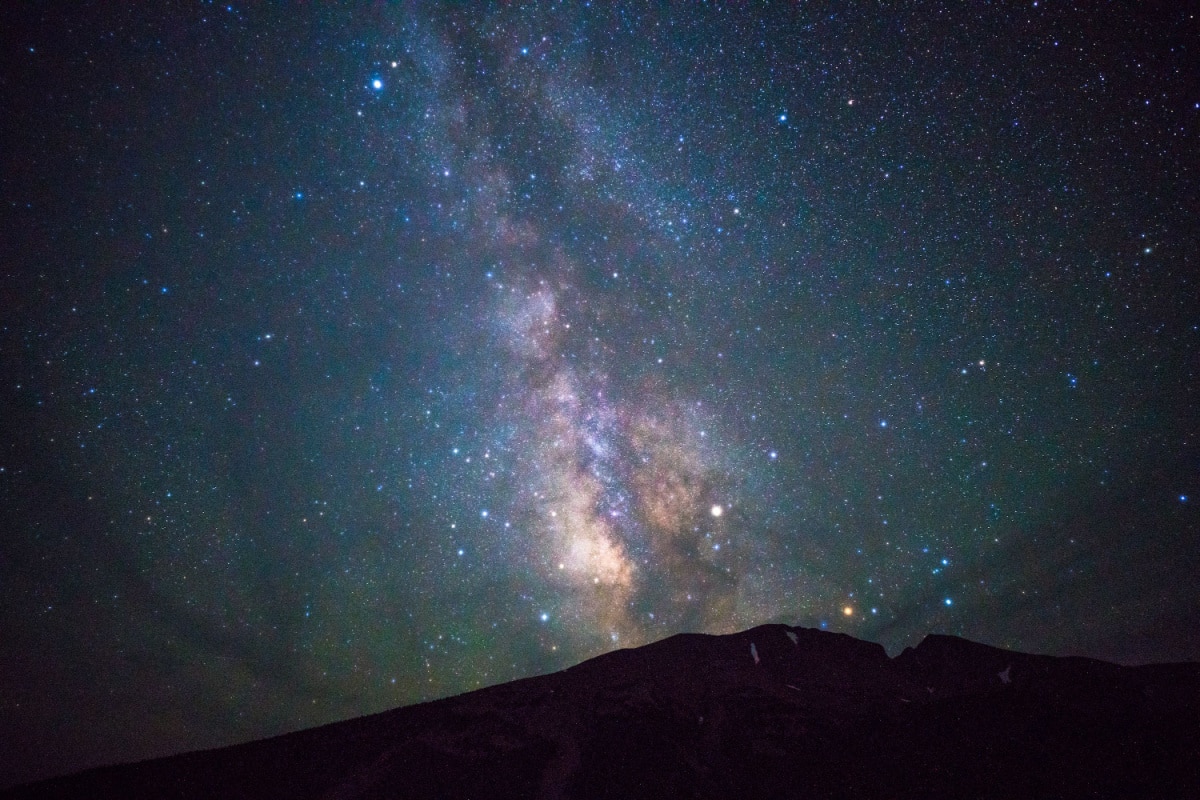
1. Great Basin National Park, Nevada
Great Basin tops the list thanks to some of the clearest skies in the country. The park is certified as an International Dark Sky Park and rated Bortle 1, the darkest classification possible. With more than 50 stargazing events a year and Wheeler Peak soaring over 13,000 feet, it’s one of the best places in America to see the night sky as it once was.

2. Death Valley National Park, California and Nevada
Death Valley also delivers Bortle 1 skies and Dark Sky certification. Unlike Great Basin, it doesn’t host formal stargazing events, but with 12 campgrounds and wide-open desert landscapes, it’s one of the most accessible places in the country for experiencing truly dark skies.

3. Zion National Park, Utah
Zion earns third place and stands out for its stargazing programs. It hosts more night sky events than any other national park — 59 in just six months. While its Bortle 2 skies aren’t the absolute darkest, ranger-led programs, telescope viewings, and sandstone cliffs make it one of the most engaging places to stargaze.
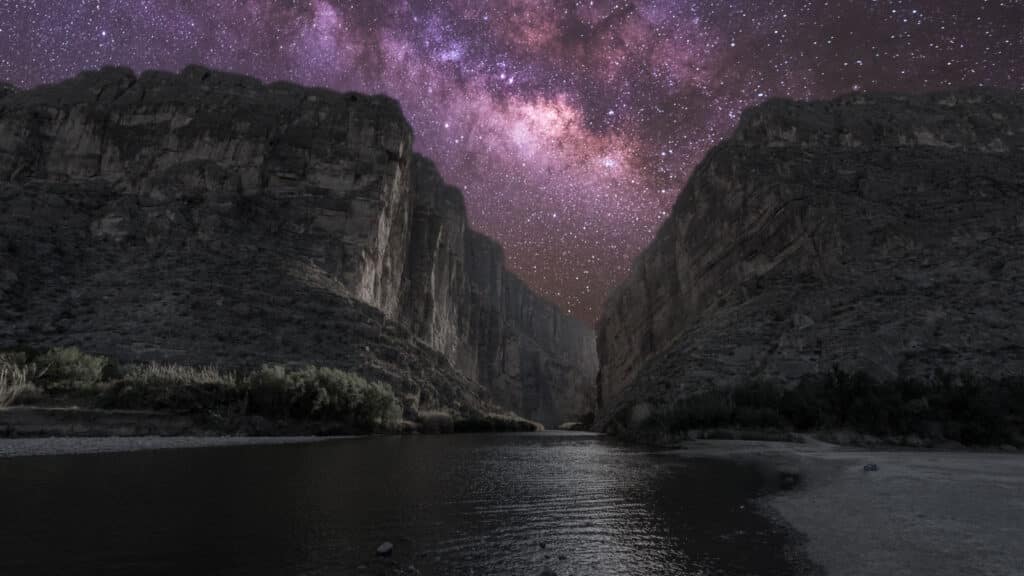
4. Big Bend National Park, Texas
Big Bend is vast, quiet, and drenched in darkness. With a Bortle 1 rating and three campgrounds, this Texas wilderness lets the Milky Way shine brighter than almost anywhere else in the U.S. Visitors often say it feels close enough to touch.

5. Capitol Reef National Park, Utah
Capitol Reef rounds out the top five with its rugged desert landscapes and Bortle 1 skies. The park doesn’t host events, but that only adds to its appeal. With fewer crowds and just two campgrounds, it’s a more secluded option for stargazers.
Tips for Planning a Stargazing Trip
- Check the moon phase and aim for a new moon to see the most stars.
- Dress in layers, since temperatures often drop 15 to 20 degrees at night.
- Use red light headlamps or flashlights to preserve night vision.
- Bring snacks, water, and a comfortable chair to stay out longer.
- Start simple with binoculars and stargazing apps before investing in telescopes.
- Stay safe by respecting wildlife, watching your footing, and following Leave No Trace principles.
The 10 Most Viral National Parks in the U.S., Ranked
These stunning parks inspire millions of photos, posts, and unforgettable memories.
Read more: The 10 Most Viral National Parks in the U.S., Ranked
Forget Angels Landing—These Are America’s Most Loved Hiking Trails
New research reveals the hiking trails Americans are obsessed with…and no, Angels Landing didn’t make the cut.
Read more: Forget Angels Landing—These Are America’s Most Loved Hiking Trails
The Best National Parks For Wildlife Spotting, Data Shows

A recent study dug into wildlife data across the country to find out which parks are best for spotting animals, from mammals and birds to spiders and snails (yes, really).
Read more: The Best National Parks For Wildlife Spotting, Data Shows
These Are the 10 Most Dangerous Travel Destinations in 2025, According to a New Study
Before you go grabbing your passport and planning your next big adventure, a new study might give you pause, at least long enough to do a little extra research.
Read more: These Are the 10 Most Dangerous Travel Destinations in 2025, According to a New Study
How Many National Parks Are There?

National Parks in the U.S. offer visitors a plethora of activities, including hiking, wildlife observation, fishing, camping, scenic views, and more.
Read more: How Many National Parks Are There?