This In-Demand Italy Mountain Destination Is Shockingly Cheap to Reach in 2026
Searches for the Dolomites are surging, but new data shows you can reach three of its most iconic spots by train and bus for far less than most travelers expect.

The Dolomites have become the mountain crush of 2026. Google searches for “Dolomites itinerary” are up more than 30% year over year, especially among Gen Z, who are swapping luxury ski weekends for hiking, frozen lakes, and big, cinematic views.
The catch? A lot of people assume you need a rental car, pricey transfers, and a fancy resort to make it happen. That’s where things get expensive fast.
But according to new data from global travel booking platform Omio, you can reach some of the Dolomites’ most popular areas using Italy’s rail and bus network for a fraction of what many travelers spend on car hire alone. In some cases, getting into the mountains can cost as little as about £14 (roughly under $20) one way.
Here’s how to make the Dolomites happen in winter and spring 2026 without blowing your entire travel budget on transportation.
Why skipping the rental car can save your Dolomites trip
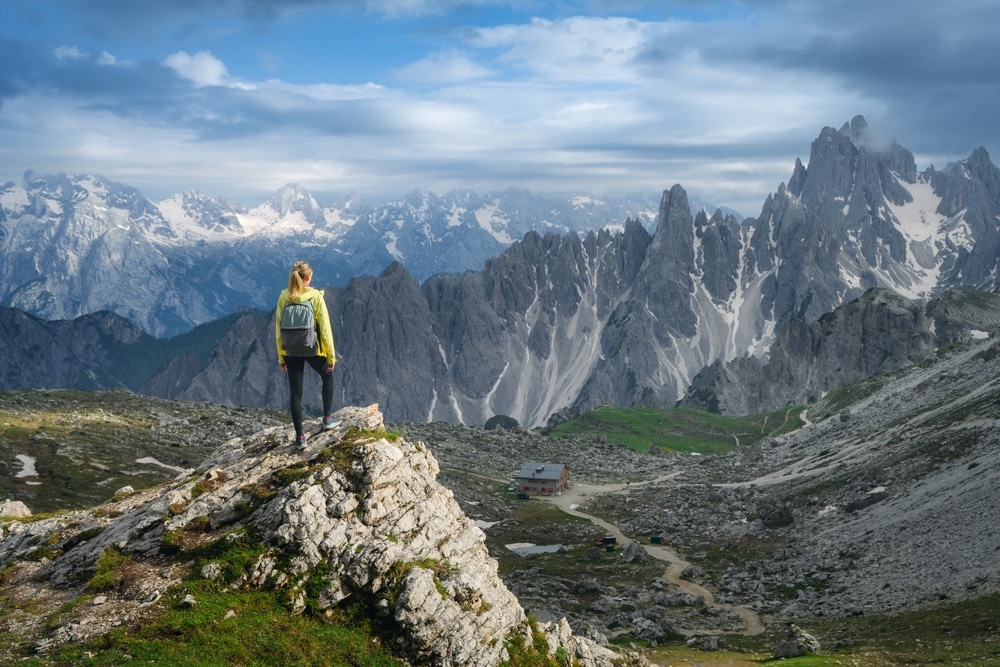
Renting a car in the Dolomites during peak winter weekends can top £400 for just a few days. Add fuel, tolls, insurance, and the joyless hunt for mountain parking, and that “cheap” long weekend has suddenly gone sideways.
Italy’s northern rail network, on the other hand, connects major hubs like Venice, Verona, and Milan to gateway towns in the Dolomites for as little as £6–£15 when you book in advance. From there, regional buses handle the final stretch into the valleys and ski villages.
It’s not only cheaper; it’s also less stressful if you’re not excited about icy mountain roads and unfamiliar driving rules.
Falcade: Affordable base with big Dolomite views
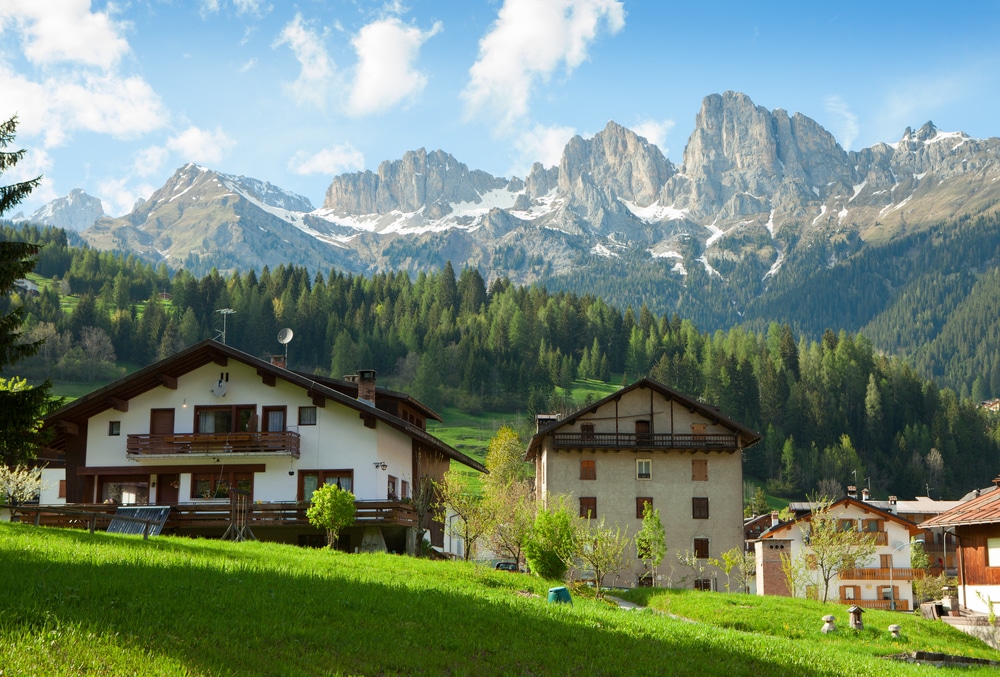
If you want to feel properly “in” the Dolomites without hours of complicated transfers, Falcade is a smart place to start. It looks and feels like a classic Alpine town, but it’s surprisingly simple to reach by public transport from Venice.
Sample route from Venice Santa Lucia to Falcade:
- Train: Venice Santa Lucia → Belluno (Regionale)
- Time: around 2 hours 15 minutes
- From: about £9
- Bus: Belluno → Falcade (Dolomitibus line 2)
- Time: roughly 1–1.5 hours
- From: about £5
Total from Venice: around £14 one way (under $20) and under three hours of travel if connections line up.
Once you’re there, you’re in proper Dolomites scenery without resort-town prices. Winter brings quiet walking paths and Nordic skiing, while spring opens up trails toward the Pale di San Martino and Marmolada ranges. The Piana di Falcade meadow is an easy, low-effort spot for picnics and mountain views, and nearby Gares Valley and the Alta Via 2 offer more challenging hikes for people who want to push it a bit.
If your dream Dolomites trip is more about valleys, trails, and lower-key village vibes than champagne après-ski, Falcade is a solid budget-friendly base.

Lago di Braies: The “Instagram lake” that’s cheaper than it looks
Lago di Braies is one of the most photographed lakes in Europe: emerald-green water, wooden rowboats, dramatic peaks closing in around the shore. It looks remote and wildly expensive, but it’s actually very reachable by a string of trains and buses from Venice.
Sample route from Venice Mestre to Lago di Braies:
- Train: Venice Mestre → Bressanone (Regionale)
- Time: about 3–3.5 hours
- From: around £35
- Bus: Bressanone → Brunico (Bus 401)
- Time: roughly 50 minutes
- From: about £8
- Train: Brunico → Dobbiaco/Toblach (TrenItalia)
- Time: around 35 minutes
- From: about £6
- Bus: Dobbiaco → Lago di Braies (Bus 442)
- Time: about 30 minutes
- From: about £4
Total from Venice Mestre: about £53 one way (roughly $65).
It’s not a quick hop, but you get a scenic, car-free journey straight into one of the Dolomites’ most famous spots without touching a taxi or rental car counter.
In winter, Lago di Braies freezes over and turns into a snow-dusted bowl ringed by peaks. It’s ideal for snowshoeing and quiet shoreline walks. By spring, the ice melts and the water shifts into that iconic emerald shade you see all over social media. Visitors can rent rowboats, walk the gentle circular trail around the lake, or simply sit and watch the light move across the water.
If your must-do list includes “that one lake I always see on Instagram,” this is the budget-conscious way to tick it off.
Cortina d’Ampezzo: Glam look, surprisingly budget-friendly access
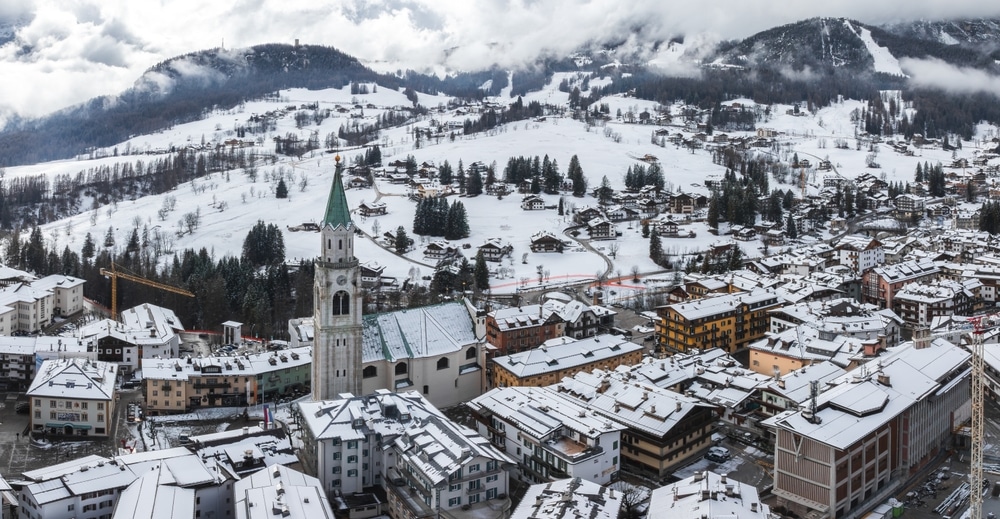
Cortina d’Ampezzo is easily one of the most recognizable names in the Dolomites. It’s the place many people picture when they think “Italian ski resort”: chic boutiques, mountain views, and a reputation for being on the fancy side.
What doesn’t get talked about enough is how cheap and straightforward it can be to reach Cortina by bus from Venice, especially in winter and spring.
Sample routes from Venice to Cortina:
- Bus: Venice Mestre → Cortina d’Ampezzo (FlixBus)
- Time: around 3 hours
- From: about £9
- Bus: Venice Piazzale Roma → Cortina d’Ampezzo (ATVO)
- Time: about 2 hours 50 minutes
- From: about £15
Total from Venice: starting around £23 one way (roughly under $30).
Once you’re in town, you can use local lifts and connections to reach some of the Dolomites’ biggest-name viewpoints. The Tofana cable car offers sweeping panoramas, and regional buses and transfers can help you access trails and outlooks around the area, including routes toward Tre Cime.
You still have the option to go full “Cortina glamour” with upscale hotels and dining. But if you’re more interested in the landscape than the labels, just getting there by bus instead of rental car can free up a big chunk of your budget for experiences instead of logistics.
A Dolomites trip that doesn’t wreck your budget
Taken together, these routes show that the Dolomites don’t have to be a once-a-decade splurge. With a bit of planning, you can:
- Use Venice as a convenient gateway instead of an expensive layover
- Rely on trains and buses instead of shelling out for a rental car
- Base yourself in spots like Falcade, Lago di Braies, or Cortina depending on whether you want lakes, trails, or a classic Alpine town feel
Winter and spring strip the region back to its quieter, more atmospheric side: frozen lakes, empty trails, and softer prices than peak summer. And with the rail and bus network doing the hard work, you can spend less time worrying about mountain parking and more time actually looking at the mountains.
If planning a Dolomites escape has you in full 2026 trip-planning mode, there are also hundreds of other bucket-list tours currently on sale with discounts up to 25%.