17 Strange American Laws You Probably Didn’t Know Still Exist
From outlawed margarine to moose-poop bans, these laws are still technically enforceable today.
The U.S. legal system is full of modern innovations, but let’s not pretend it isn’t also home to some hilariously outdated (yet technically still enforceable) laws. From rules about moose poop to fried chicken etiquette, many of these quirky state and local laws sound like urban legends… except they’re very real. And yes, you could still technically get in trouble for breaking them.
According to Future Bail Bonds, these relics remain on the books due to legislative inertia, historical preservation, or just plain oversight. Most aren’t actively enforced, but that doesn’t mean they couldn’t be, especially in a small-town dispute or overzealous legal situation.
Ready to get weird? Here are some of the strangest laws still standing in the U.S.:
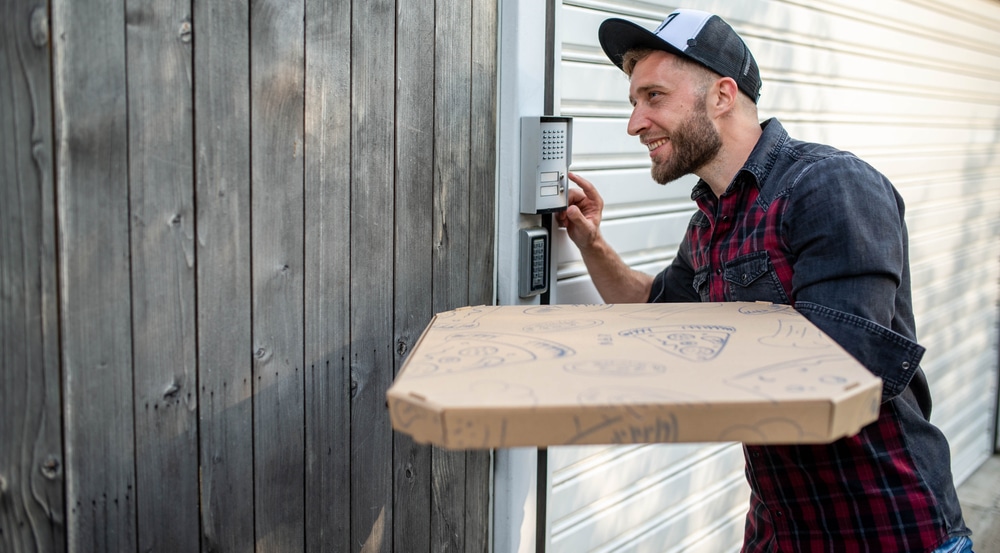
1. Louisiana: Don’t Order Pizza in Someone Else’s Name
Yes, this law was made to stop prank pizza deliveries. Ordering food under someone else’s name without permission is illegal in Louisiana.
Still active since 2018.

2. Alabama: No Ice Cream in Your Back Pocket
Believe it or not, this was a horse theft prevention law. Thieves would lure horses away using ice cream cones in their pockets…seriously.
Dates back to the 19th century.
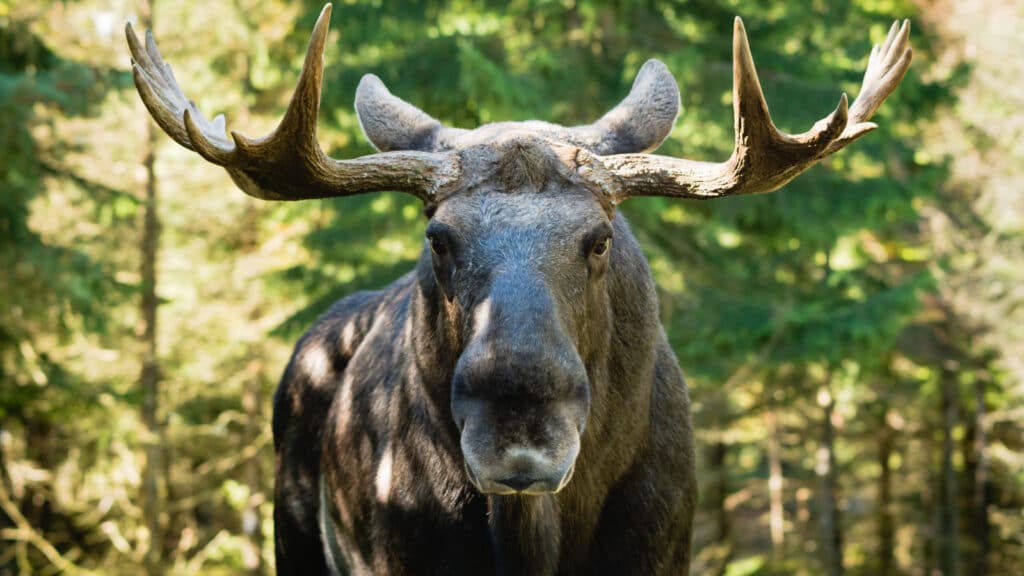
3. Alaska: No Dropping Moose (or Moose Poo) From Airplanes
Yes, it’s illegal in Alaska to drop a moose from an airplane. And no, not even moose poo is safe from this bizarre regulation.
This oddball law originated in Talkeetna, where a local contest once involved painting moose droppings, numbering them, and dropping them from a plane for a quirky version of bingo. Umbrella-toting townsfolk would gather below to collect the numbered pellets, waiting for someone to shout, “Holy s—t! I won!”
All good fun, until PETA caught wind and assumed actual moose were being air-dropped like antlered bombs. Amid the outcry, city officials decided to play it safe and outlawed any moose or their droppings from being released mid-flight. Thus ended the era of moose poo bingo.
Law enacted around 2009.

4. Hawaii: No Coins in Ears Allowed
Yep, it’s technically illegal in Hawaii to place coins in your ears. This quirky-sounding rule actually dates back to the early 20th century, when people were modifying coins for novelty or artistic purposes, including embedding them into body parts. The law was enacted to protect the integrity of currency and discourage defacement.
Likely enacted in the early 1900s.

5. Nevada: Don’t Hide a Spray-Painted Shopping Cart in Your Basement
In Reno, it’s actually illegal to stash a spray‑painted shopping cart in your basement. This highly specific regulation was introduced when painted and pilfered carts became a local trend, enough to warrant a formal crackdown.

6. Iowa: Horses Can’t Eat Fire Hydrants
In Marshalltown, Iowa, horses are forbidden from eating fire hydrants. Yes, you read that right. In 1937, the city updated its code to prohibit animals from being tied to or damaging public property like hydrants, telephone poles, and streetlights. But it goes a step further: it’s illegal for animals to bite or eat them.
When asked about the oddity of the law, a city attorney reportedly quipped, “I would fear any horse that could.”
Since 1937.

7. Georgia: Fried Chicken Must Be Finger Food
In Gainesville, Georgia, the self-declared Poultry Capital of the World, there’s an actual ordinance stating that fried chicken is a delicacy that must be eaten with your hands.
The law was adopted in 1961 as a publicity stunt to boost Gainesville’s poultry pride…and it worked. This quirky ordinance regularly makes national “weird law” lists (like this one) and has become a point of local pride.
It’s all for show these days. The last (and only) time it was ever enforced was in 2009 as a birthday joke. A 91-year-old woman visiting from Louisiana was “arrested” for using a fork, only to be quickly pardoned by the mayor.
Adopted in 1961.

8. North Carolina: No Bingo While Buzzed
Playing bingo under the influence? Not in North Carolina. The law is meant to promote responsible gaming, but it sure is oddly specific.
Since 2005.

9. Tennessee: Sharing Netflix Passwords = Criminal Offense
Think twice before handing over your Netflix login in Tennessee; doing so could technically land you with a misdemeanor, a $2,500 fine, or even a year in jail. And repeat offenders could face felony charges.
This eyebrow-raising law took effect in 2011 and was pushed by the recording industry, aimed at cracking down on hackers who steal and resell passwords for subscription services like Netflix, Hulu, and Rhapsody. But in practice, it casts a much wider net.
The bill’s sponsor claimed it wasn’t meant to punish families sharing accounts under one roof. Instead, the goal was to stop sharing with people outside your household. The problem? Enforcement is nearly impossible, and even companies like Netflix have shrugged it off, pointing out that they already address this in their Terms of Service.
So while the law exists, it’s more symbolic than anything. Still, technically speaking, sharing your password with a friend in another state could make you a criminal.
Enacted in 2011.

10. New York: Don’t Walk Backward Eating Peanuts During a Concert
In the small town of Greene, New York, it’s illegal to eat peanuts while walking backward when a concert is playing. Yes, that’s the actual law. No, we don’t know who hurt them.
While it might sound like the perfect rebellious act, strolling backward down the sidewalk, casually snacking on peanuts while a band plays, Greene clearly isn’t having it. The origin of the law is still a mystery. Some speculate it might’ve been a joke that accidentally made its way into the books. Others think it may have made sense at the time, culturally or logistically, and simply never got repealed.
Regardless of its origin, the law remains. So if you had plans to backward-stroll through a Greene concert tossing peanut shells like confetti… maybe keep it legal and walk forward instead.
Date unknown, but still technically enforceable.

11. Wisconsin: Butter or Bust
You’d think Wisconsin’s obsession with dairy would stop at cheese curds and Friday fish frys, but nope, it runs even deeper. In fact, there’s still a law on the books that bans the use of butter substitutes in restaurants…unless a customer specifically asks for one.
This law has been around since 1957, and yes, technically, you could face a $1,000 fine or even jail time for sneaking margarine onto someone’s toast.
This is because back in the day, margarine was cheaper and gaining popularity, which didn’t sit well with local dairy farmers. So, the state passed a law to protect its butter-loving roots, and it stuck. Some restaurants have gotten creative with “butter blends” to get around the rule, but officially, if you’re dining out in Wisconsin, it’s butter or bust… unless you ask otherwise.
Since 1957.
I’ve also rounded up some of my favorite hidden gems in Wisconsin if you want to explore beyond the cheese curds and butter laws. And while it does include eating cheese, you can also see some cool things to do in Green Bay in the video below!
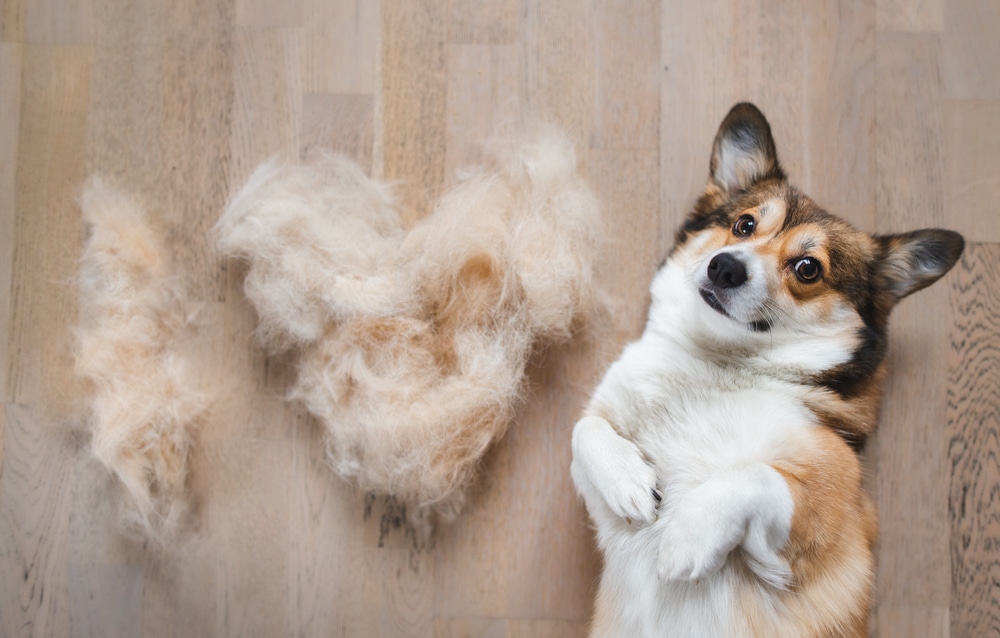
12. Delaware: Dog Fur Is Off Limits
This one isn’t just quirky, it’s surprisingly strict. In Delaware, it’s a crime to sell, barter, or offer the fur, hair, or flesh of a domestic dog or cat. And no, not even as a weird Etsy side hustle.
The law is laid out in Delaware Code Title 11 § 1325A, and it’s detailed. Selling or bartering pet fur gets you hit with a class B misdemeanor, but if you’re dealing in flesh (yikes), it jumps to a class A misdemeanor, plus a $2,500 fine, possible forfeiture of any animals you own, and a 15-year ban on pet ownership.
There are exceptions, of course, like if the fur was trimmed during a regular vet or grooming appointment, or used for scientific research.
On the books as of 2022.
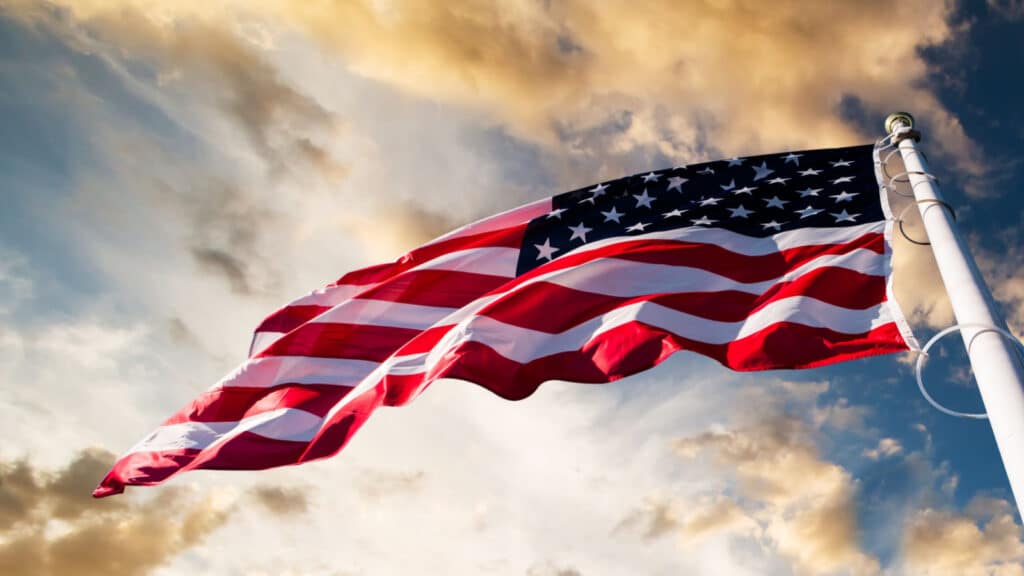
13. Massachusetts: Sing the Anthem—Exactly Right
In Massachusetts, you’re legally required to perform “The Star-Spangled Banner” exactly as written, no mashups, medleys, or creative flourishes allowed. State law says it must be played or sung “as a whole and separate composition,” and using it as dance music or part of an exit march could land you a $100 fine.
Since 1917.

14. Indiana: Cold Beverages in Liquor Stores? Not Allowed
In Indiana, liquor stores can sell alcohol, tobacco, mixers… and water or soda… but only if it’s warm. According to state law, package liquor stores are not allowed to sell chilled beverages unless they’re alcohol.
This all comes down to how the law was written. Since cold non-alcoholic drinks aren’t explicitly listed as approved items, they’re off-limits. So if you’re grabbing a six-pack and thinking you’ll snag a cold Coke for the road, think again.
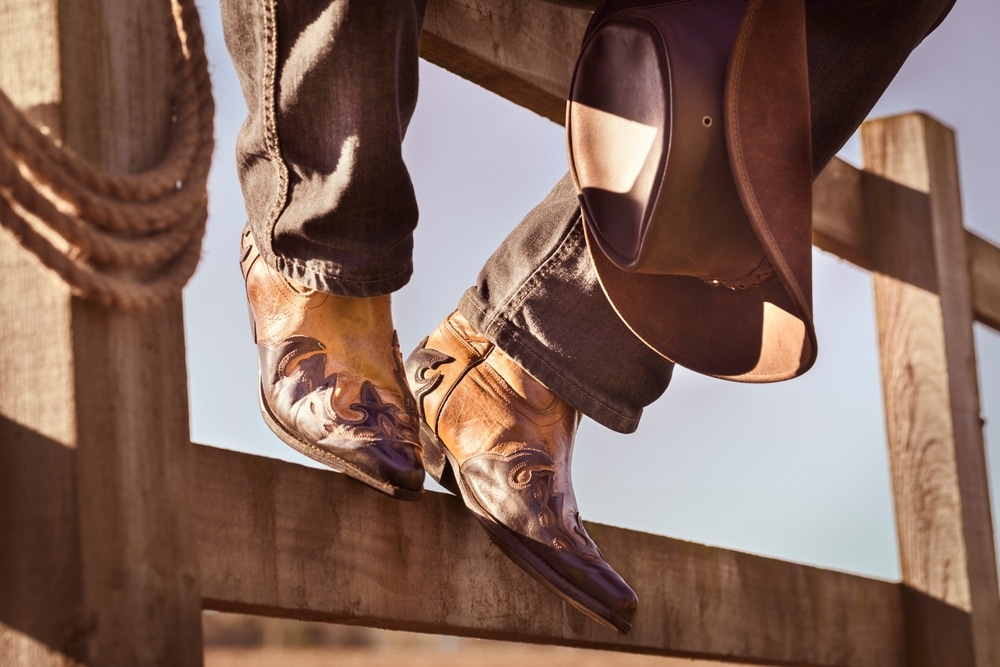
15. California: Cowboy Boots Are for Real Cowboys Only
In the small border town of Blythe, California (about two hours from Palm Springs), there was once a municipal code that said you couldn’t wear cowboy boots unless you owned at least two cows.
According to the city clerk, the rule required locals to “own at least two heads of cattle to wear boots,” presumably to keep the boots reserved for actual cowboys, not fashionistas playing dress-up in the desert. While it’s unclear how (or if) this law is enforced today, it’s a charming reminder that in Blythe, cowboy credibility used to be serious business.

17. Oregon: Don’t Wipe the Dishes Dry
In Oregon, if you’re running a licensed childcare center or food service tied to one, you are legally required to air dry all dishes and utensils. Yep, towel-drying is a no-go under the state’s health and sanitation rules.
According to OAR 414-300-0260, once your plates and pans are washed, rinsed, and sanitized, they must be air dried and stored in a clean, dry place that’s protected from dust and germs. The reasoning? Using towels can spread bacteria and cross-contaminate freshly cleaned dishes, especially in environments with young kids.
It’s one of those hyper-specific rules that totally makes sense in practice… but still sounds pretty weird when you first hear it.
Since 2022.
So… Could You Really Be Arrested for These?
According to Jesse Kleis, legal consultant at Future Bail Bonds, the answer is technically yes, though enforcement is rare. “Most people are shocked to learn just how many outdated laws are still technically active,” Kleis says. “While they’re mostly harmless, they can be misused.”
These strange laws highlight how regional culture, religious values, and historic quirks shape our legal system, even decades (or centuries) later. Most of us will never run afoul of a moose-poop ordinance, but hey, better safe than sorry.
For even more offbeat travel ideas, check out these underrated places across the U.S. you might’ve missed. Or if you love the weird side of American life, you’ll also want to check out these moments in U.S. history you’ve probably never heard of….some of them are even stranger than the laws.
10 Moments In American History You’ve Never Heard Of

There are wars, battles, and major events in American history that we all hear about over and over, like the Battle of Gettysburg, D-Day, and Martin Luther King Jr’s March on Washington. Some historical events are significant yet not discussed much in school books. A recent online message board voted on some of the following most interesting historical moments.
Read more: 10 Moments In American History You’ve Never Heard Of
10 of the Biggest Mysteries Throughout History

Strange disappearances, lost civilizations, and unsolved murders make up this list of the biggest mysteries throughout history. Some are current-day active investigations, and some are thousands of years old, with the answers lost to time. According to an online message board, the following unexplained phenomena were voted as the top unsolved mysteries.
Read more: 10 of the Biggest Mysteries Throughout History
10 Things We Thought Everyone Knew, But They Don’t

Have you ever learned something that everyone around you already knew for years and you just found out about? Or maybe you’ve been the one to tell people something you thought was common knowledge but no one else knew about it. This list, culled from an online message board, features several facts people thought were widely known, but, as it turns out, are not. Who knows! You might learn a few things in this article that you never knew before!
Read more: 10 Things We Thought Everyone Knew, But They Don’t
The Best Hidden Gems in Each of the 50 U.S. States to Add to Your Bucket List

From remote waterfalls and secretive caves to historic towns and untamed coastlines, these hidden gems are perfect for travelers looking to venture off the beaten path. Whether you’re a seasoned adventurer or a casual traveler, this list of hidden gems across all 50 states will inspire you to uncover the beauty and mystery that lies just beyond the familiar.
Read more: The Best Hidden Gems in Each of the 50 U.S. States to Add to Your Bucket L