
Forget the TikTok Travel Hacks — Here Are the Real Essentials Frequent Flyers Rely On for Long-Haul Flights
If you have ever sat through a ten to sixteen-hour flight and thought, “I am not built for this,” you are not alone.
A Reddit thread asking people what they always pack for international flights turned into a surprisingly useful list of what actually helps on long journeys. It was not glamorous. It was a lot of bathroom emergencies, dry skin, dead batteries, and legs that feel like concrete.
Here is what real travelers say they never board without, and why.
*Disclosure: some of these links are affiliate links. Meaning, if you click a link and make a purchase, Have Clothes, Will Travel gets a very small commission at no extra cost to you. Thank you for supporting the brands that make this blog possible!
The emergency meds everyone wishes they had packed earlier
The top answer in the entire thread was not headphones or a pillow. It was Imodium.
One person put it bluntly: they have never needed it, but the thought of getting diarrhea on a plane is terrifying. Others were not so lucky. Several people told stories about getting food poisoning before or during a long flight and spending the trip in the bathroom, or sprinting through an airport trying not to have an accident.
Because of that, a lot of frequent flyers now carry a small, basic medicine kit in their personal item. It usually includes:
- Anti-diarrhea medicine
- Something for nausea
- Painkillers for headaches and body aches
- Antacids
- Allergy medicine
- A few Band-Aids or blister plasters
A few travelers mentioned charcoal tablets, and quite a few brought up prescription sleep or anxiety meds they take on red-eye flights. That one is firmly in the talk to your doctor category, but it came up enough that it clearly works for some people.
Several people also now toss in a spare pair of underwear after learning the hard way that things happen on planes, in airports, and in lost luggage situations.
Compression socks, pillows, and layers to survive sitting that long
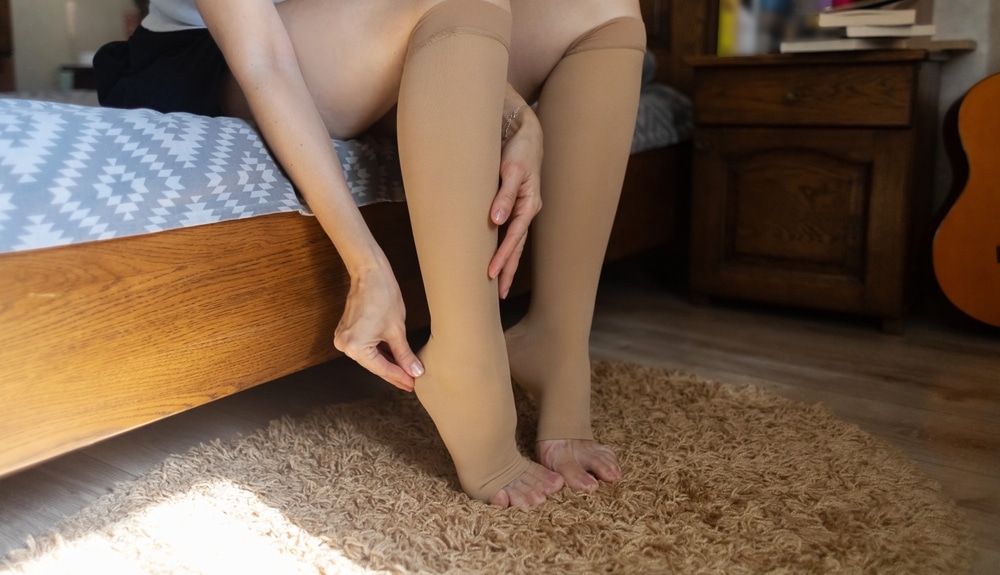
If there was a second strong theme, it was comfort. People love compression socks now. One person said their legs did not get restless at all on a fourteen-hour flight after they started wearing them. Others said the difference was huge and that they will not fly long haul without them. I am also very much in this category. It is amazing what a difference compression socks make! (I use these.)
Travelers also rely on:
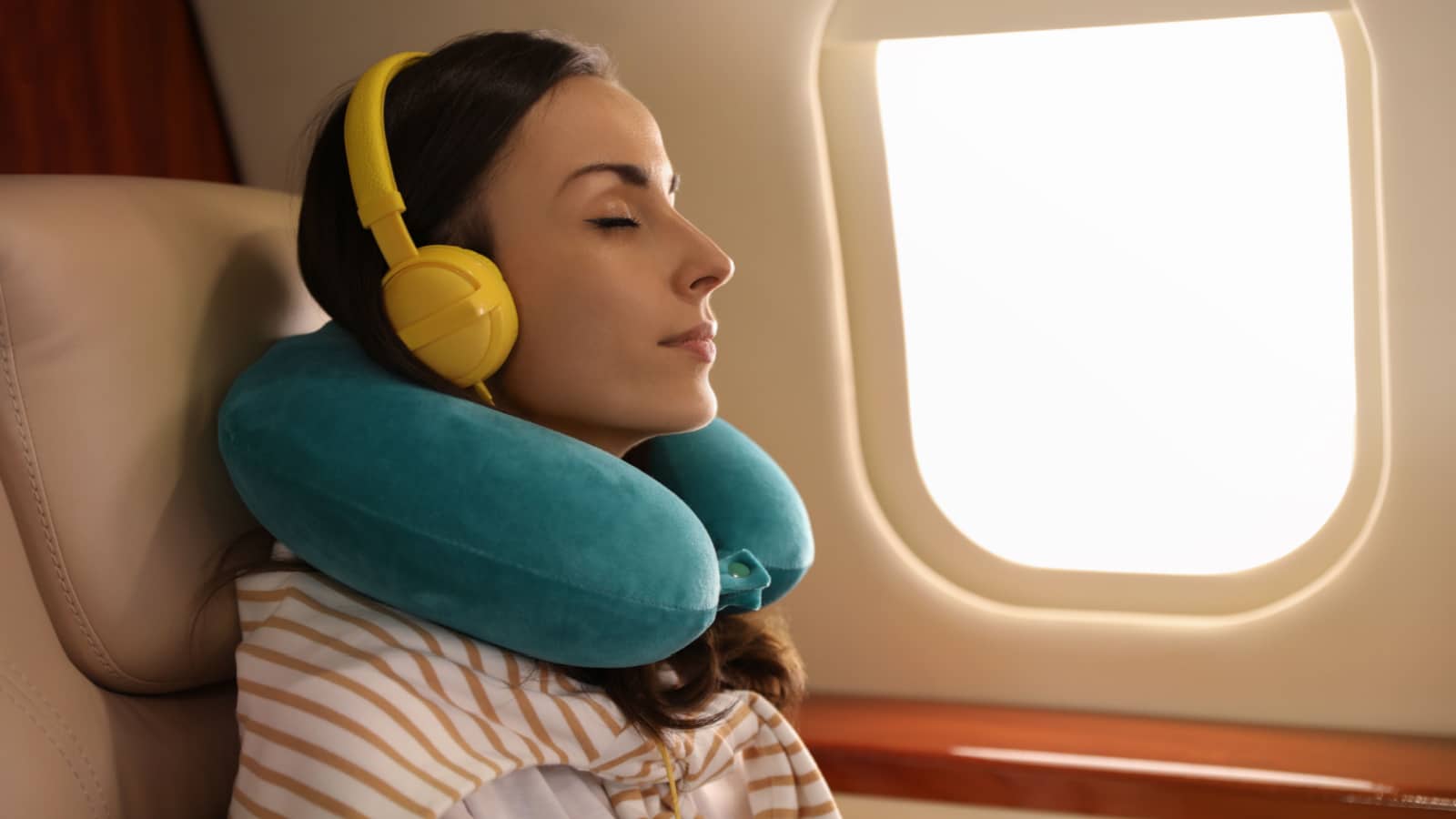
- Neck pillows, they actually like, including TRTL style and inflatable styles
- Big scarves, shawls, or sarongs that work as blankets and extra layers
- Extra socks so they can take shoes off without putting bare feet on the floor
- Comfortable, loose layers so they can handle a freezing cold cabin or a warm one
Some people skip the official blankets and just bring a travel blanket that packs into its own case and doubles as a pillow. A couple of people even mentioned inflatable seat cushions to make economy seats a little more tolerable.

Headphones, earplugs, masks and basic germ control
Noise-cancelling headphones were a given, but a surprising number of people said they cannot sleep with them on and prefer simple foam earplugs instead. Others double up with both.
Common picks:
- Noise-cancelling headphones or good earbuds
- Earplugs for sleeping
- An eye mask that does not press into your eyelids
- N95 masks for long flights to try to avoid getting sick
- Disinfectant wipes for tray tables, armrests, seatbelt buckles, and screens
A few travelers said they started wiping everything down and wearing a mask on long flights, and have not picked up a plane cold since. Again, not scientific, but enough people mentioned it that it is clearly part of their routine now.
Power, cables, and a plan for when the outlet does not work
Nobody in that thread trusts in flight power anymore. A lot of travelers treat it as a bonus, not something to rely on.
Here is what people pack instead:
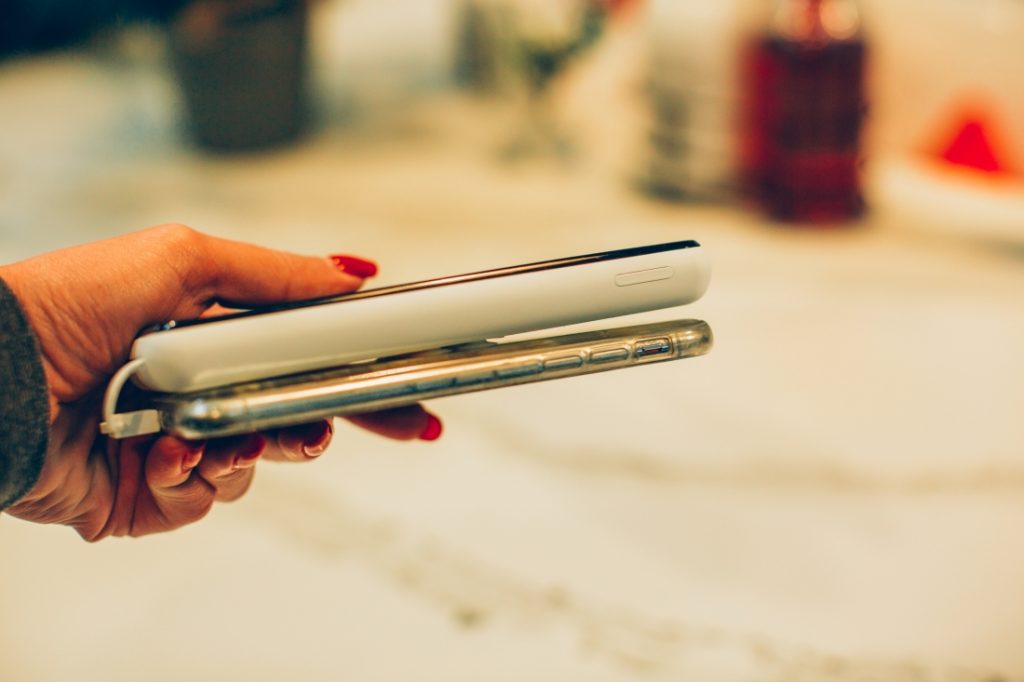
- At least one good power bank, sometimes two
- Long charging cables for planes and hotel rooms
- A universal travel adapter with multiple USB-C ports
- Simple USB A to C adapters so they can carry fewer cables
Plenty of people also keep all their cables and chargers in one small pouch. That way, they can grab the whole thing from their bag and not dig around in the dark for a random cable on the floor.
Your own entertainment, already downloaded
Nobody wants to discover at boarding that their seatback screen does not work, or that the only movie options are things they have already seen five times.
Frequent flyers bring their own backup:
- E-readers like Kindle or Kobo
- Tablets loaded with movies and shows
- Downloaded podcasts and audiobooks
- Simple puzzle books or paperbacks, they can abandon at their destination
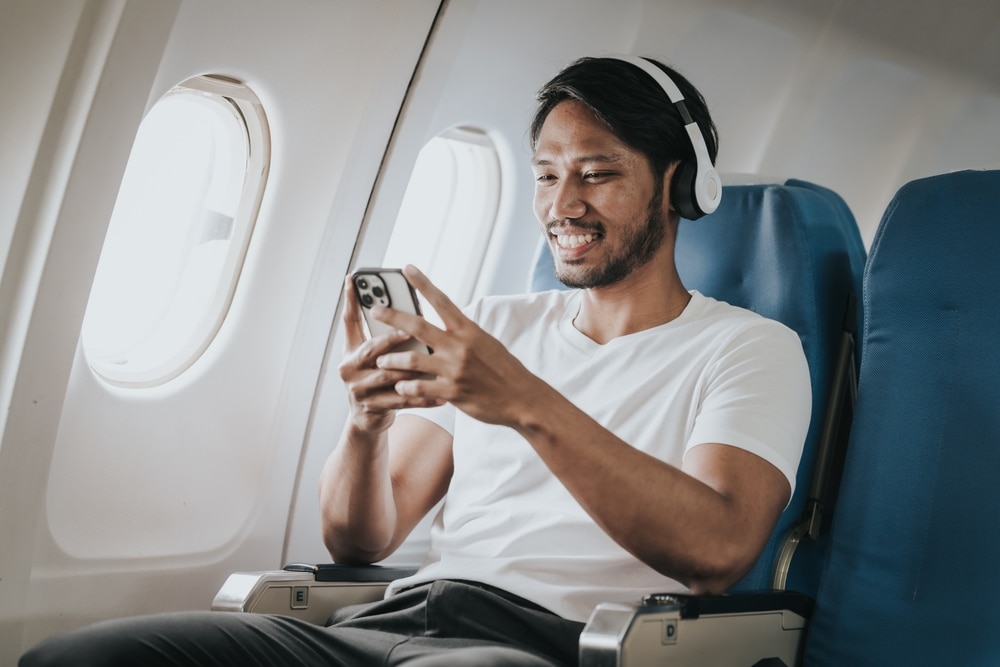
Quite a few people mentioned a small Bluetooth adapter that plugs into the plane’s headphone jack so they can use their own wireless headphones with the in-flight system.
One traveler said they even bring AR glasses that feel like a huge screen in front of their eyes for watching Netflix. That is not exactly a budget solution, but it gives you an idea of how far some people will go to avoid being stuck with a broken screen for twelve hours.
The “plane pouch” for feeling human again
A lot of answers mentioned some version of the same thing: a small pouch that lives in their personal item or under-seat bag and only holds in-flight essentials. They refill it after each trip, so it is always ready.
Typical contents:
- Face wipes or micellar wipes
- Hand sanitizer
- Lip balm
- Travel-size moisturizer or face mist
- Toothbrush and mini toothpaste
- Floss picks
- Tiny deodorant
- Under-eye patches to use before landing (these are my favorite)
I also keep a small stash of pantiliners in my bag and jacket pockets. (These are my go-to.) It sounds minor, but being able to change them out on long travel days makes me feel a lot cleaner, and if my period shows up early, it is annoying instead of a full-blown disaster.

Snacks, water, and backup food
Airline food is hit or miss, and sometimes service is delayed or disrupted by turbulence. A lot of people in this thread are done gambling on that. (Also, if you’re not feeling well, having snacks you know you can eat in those circumstances is a lifesaver.)
Common carry-on snacks:
- Protein bars, beef sticks, and nuts
- Fruit squeeze pouches
- Candy or gum for ear pressure
- Instant ramen cups that only need hot water
- Electrolyte packets or drink mixes
Many travelers also bring an empty water bottle through security and fill it before boarding, then add electrolyte powder on the flight. The goal is to stay hydrated without relying on tiny plastic cups passed out every few hours.
Backup clothes, toiletries, and important documents
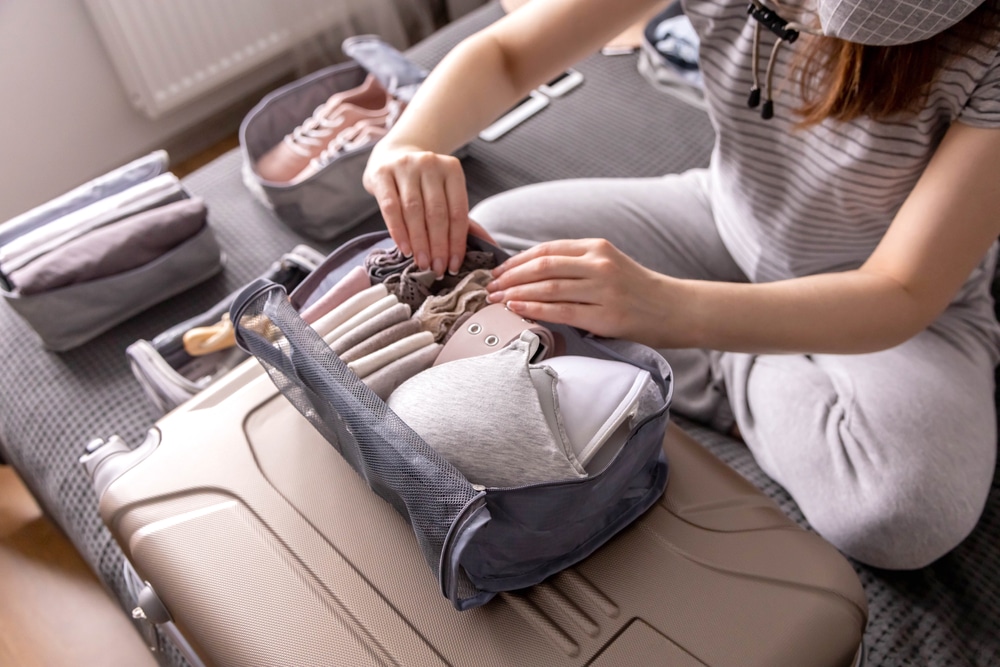
Several people said they were burned exactly once by lost bags or spills and now always pack a small backup outfit in their carry-on.
Most pack:
- Fresh underwear and socks
- A simple T-shirt and leggings or comfortable pants
- A few basic toiletries and any must-have makeup
On the document side, experienced travelers mentioned:
- Printed copies of reservations and tickets
- Phone photos or scans of passports and IDs
- Luggage trackers like Airtags inside checked bags
One person only knew their “lost” bag had already made it to Morocco because of their tracker. The airline had no helpful information, but the app did.
The oddly specific extras that actually help
Then there are the items that sound strange at first but make sense once you read the stories behind them.
A few that came up more than once:
- A lacrosse ball to roll under your back, glutes, or shoulders in the galley area
- A travel bidet for people who hate feeling less than clean
- A small extension cord and splitter for hotel rooms with badly placed outlets
- An empty freezer bag to stash trash and food containers until the crew comes by
- A small box of individually wrapped chocolates for the flight attendants
That last one was not about upgrades or special treatment, just about making a long shift slightly nicer for the crew and setting a more pleasant tone in your section of the plane.
What you actually need
There is a line in the thread that stuck with me. One commenter said, “You pack your fears.” It fits.
The comments are a good reminder that you do not have to bring everything. Start with what makes long flights miserable for you personally, and solve those problems first. Then add what helps you feel a little more human when you step off that plane in a new country.
If you are planning a big trip and want to go even deeper, you can also look at my guide to the best travel clothes for women, my roundup of travel-friendly underwear, and a separate breakdown of how people really get through long-haul flights.


I have a long cashmere cardigan that is better than any blanket that I always travel with. It’s so cozy