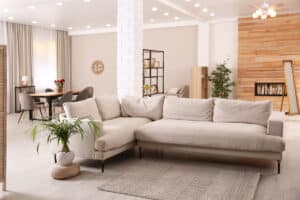
Is 2016 Interior Design Making a Comeback in 2026? Experts Say Yes — With One Big Change
It’s getting harder to ignore it: 2016-style interiors are sneaking back into the conversation.
The difference is that this revival feels a lot more practical. People are still drawn to the warmth and personality of that era, but they’re also much less willing to fill their homes with pieces that look good for a year and fall apart after that.
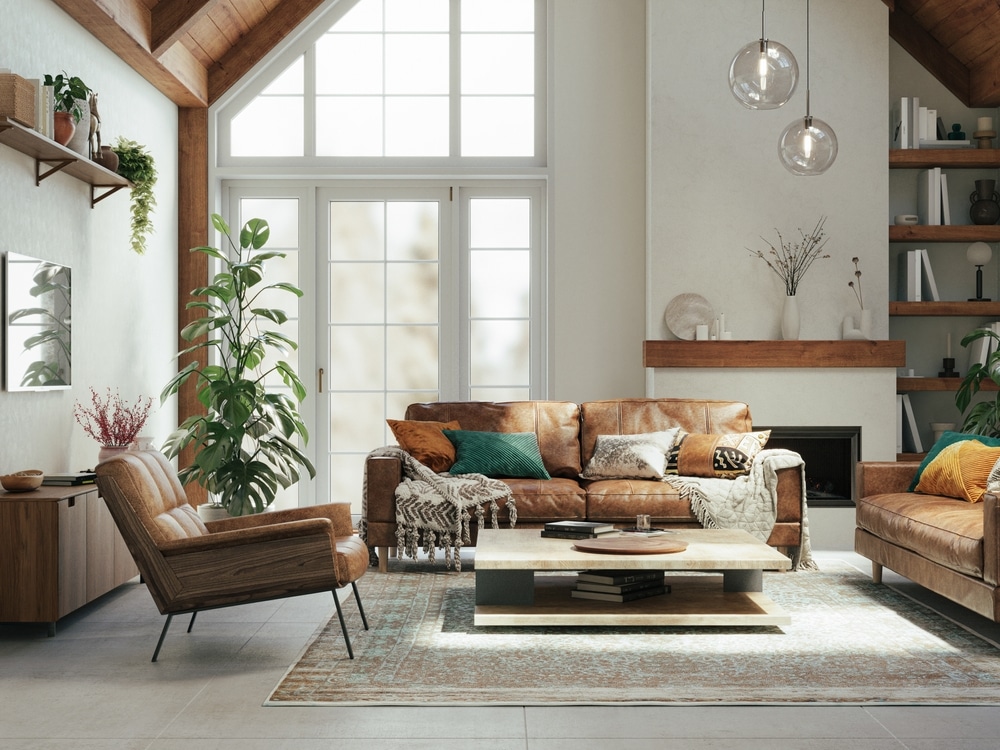
Why 2016-era interiors are showing up again
Design trends have a habit of circling back, and 10 years is often enough time for people to look at an old style with fresh eyes. In 2016, interiors leaned warmer and a little less sterile than the ultra-minimal looks that took over afterward.
That timing matters. After years of gray-on-gray rooms, overly polished spaces, and homes styled more for photos than real life, it makes sense that people are craving something softer and more personal again.
There’s also the fact that homeowners are thinking differently now. Comfort matters more. Durability matters more. And people are paying closer attention to whether a room actually works for everyday life, not just whether it looks nice on a screen.
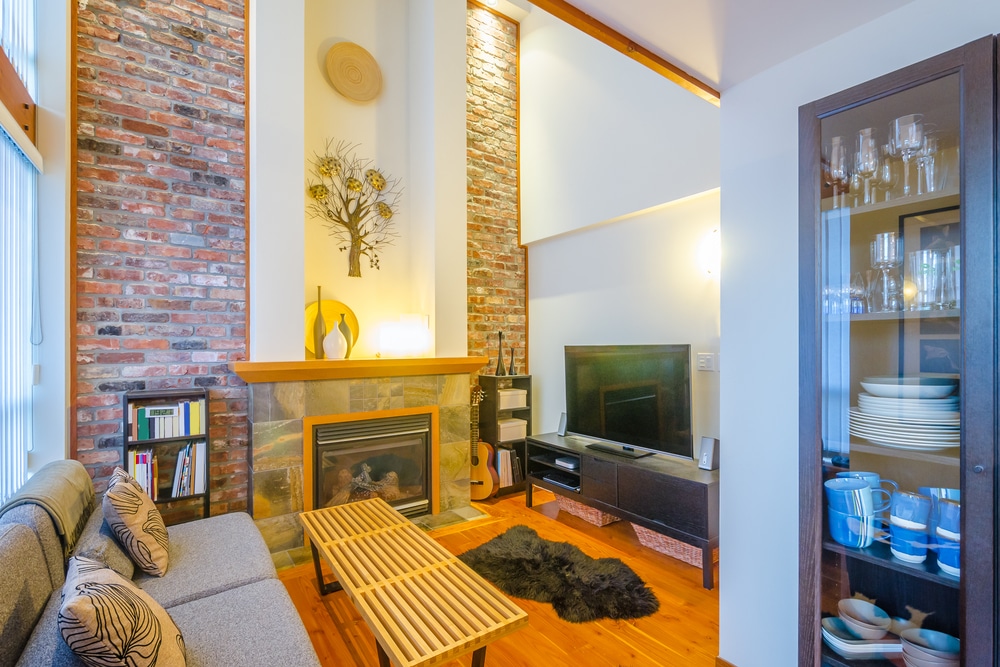
What’s coming back from 2016
This is not about dragging every trend from 2016 back into the house unchanged. It’s more of a cleanup job. Designers are pulling forward the parts that still feel good and leaving the rest behind.
The biggest returning elements are warm, earthy colors instead of stark cool grays, along with natural textures like wood, cane, and rattan. Mid-century modern shapes are still around, too, but they’re being used in ways that feel more functional and less like a furniture showroom.
Layered rooms are also having a moment again. Instead of everything matching perfectly, spaces are starting to feel more collected and personal. Even details like rose-gold accents, mixed metals, and statement lighting are popping back up, just in a more restrained way.
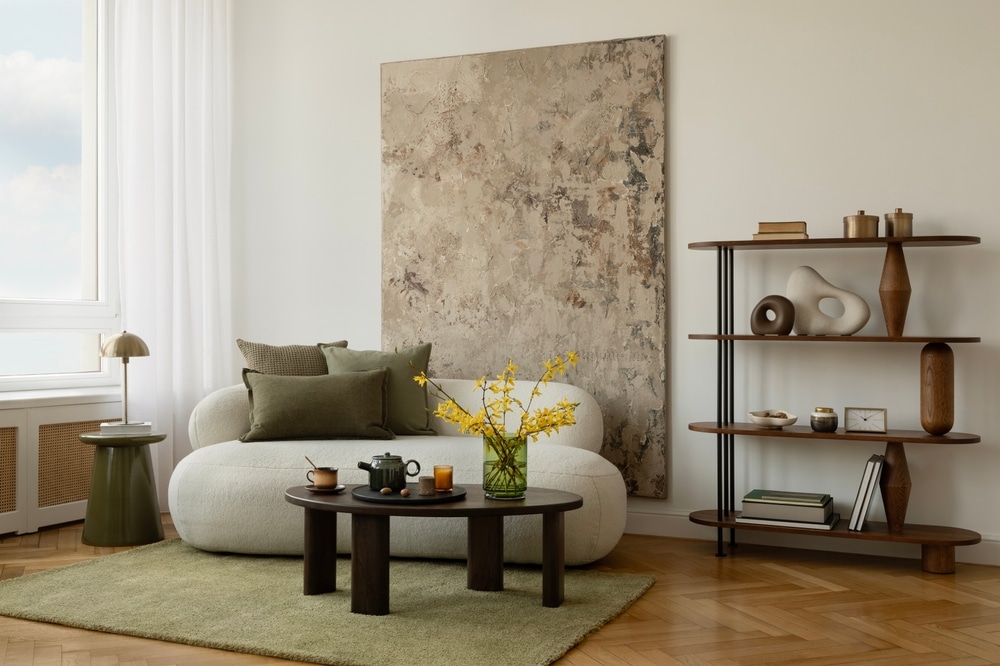
Why the 2026 version is different
According to Shaun Griffiths, CEO of Harvey George, the problem with a lot of 2016 interiors was never really the look itself. It was how quickly many of those trends were produced and copied.
“A lot of 2016 interiors were designed to look good immediately, especially online,” Griffiths says. “What’s changed is that people now care much more about how materials age, how furniture holds up, and whether a space still works years later.”
That shift feels pretty obvious when you look at how people shop now. There’s a lot more scrutiny around quality, repairability, and whether something will still make sense in a home years down the road.
Griffiths says warmth, texture, and layered design are all returning, but with a more critical eye on what sits underneath the aesthetic. “The aesthetic wasn’t the problem, but the execution often was,” he explains. “Thin finishes, mass-produced systems, and trend-led materials didn’t always stand up to real, everyday living.”
So, is 2016 interior design really back?
In some ways, yes. But it is coming back with better standards.
Designers are not pushing people to recreate the exact look of a decade ago. They are taking the parts that made homes feel welcoming and lived-in, then pairing them with better materials, smarter layouts, and pieces that can actually last.
As Griffiths puts it, “Designers are becoming more selective. They’re asking whether a piece will still feel solid, relevant, and functional in ten years and not just whether it fits a trend right now.”
That is probably the biggest change of all. The 2026 version of 2016 design is not really about nostalgia. It is about making homes feel human again without repeating the mistakes that made so many trends from that era feel disposable.
For more home inspiration, I also rounded up the interior trends experts say are set to define 2026, plus some of my favorite online furniture/decor stores to shop if you want that polished look without defaulting to Wayfair.