
“A Marathon Is 26.2 Miles”: Internet Divided After LA Marathon Gave Medals to Runners Who Stopped at Mile 18
Race organizers cited rising heat on Sunday, but plenty of runners say 18 miles and 26.2 are not the same thing.

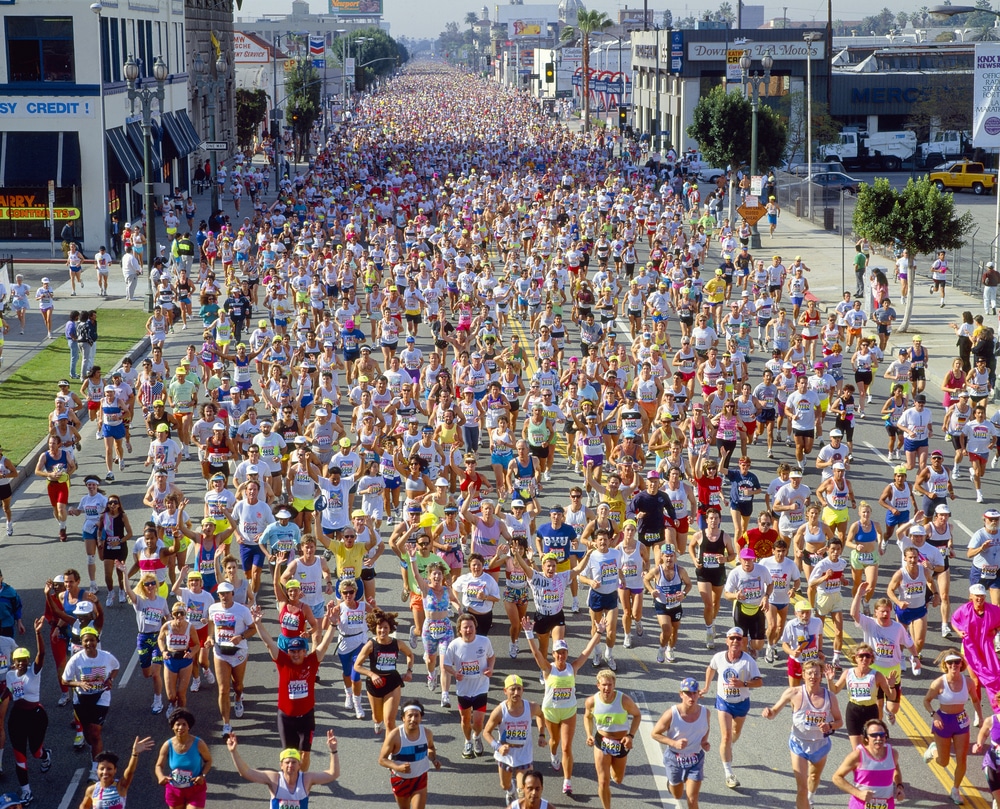
The 2026 Los Angeles Marathon is getting a lot of attention after organizers allowed runners to stop at mile 18 and still receive a finisher’s medal.
Ahead of Sunday’s race, officials projected a warm day on the point-to-point course from Dodger Stadium to Century City. Temperatures were expected to start in the mid-50s around the 7:00 a.m. start, climb into the mid-to-upper 70s by midday, and reach the low 80s later in the day.
Why Runners Were Allowed to Stop at Mile 18
Because of the forecast, the McCourt Foundation said marathoners who were “having a tough day” could take an early turn at mile 18, head to the finish area, and still collect a medal. Official results would still reflect that they completed 18 miles rather than the full 26.2.
Organizers also rolled out extra heat precautions, including 19 aid stations, misting stations, more ice, sunscreen at medical stations, and expanded medical support on the course and at the finish line. The mile-18 option was possible because that part of the route already had infrastructure in place for charity half-marathoners.

Why the Decision Sparked Backlash
That may have sounded reasonable from a safety standpoint, but the online reaction was pretty brutal.
One of the most-liked comments on Facebook summed up the tone fast: “The most California thing I’ve heard all day.”
Another person joked, “In related news, California colleges and universities will be awarding diplomas to students completing their junior year.”
The pushback mostly came down to one issue: a lot of runners do not believe a marathon medal should go to someone who did not complete a marathon.
What Marathoners Are Saying
One runner wrote, “I’m a marathoner. I would not want a medal unless I complete the full marathon.”
Another said, “Look 18 miles is still a feat in and of itself but I do definitely think the medal should be different than the one received for the full marathon.”
That seemed to be a common middle ground. Plenty of people agreed that 18 miles is hard and worth recognizing. They just did not think it should be treated the same as finishing 26.2.
One commenter suggested an alternative: “I would create an ‘18er’ medal that would be handed out at the 18 marker for folks who tapped out.”
Another was even more direct: “There’s no shame in tapping out, but it is a DNF.”
The Safety Argument
To be fair, not everyone thought the organizers got it wrong.
Some runners argued that the official results still show who completed the full distance and who did not, so the medal itself does not really change the record books. Others felt the move may have encouraged runners to make the safer choice before things got dangerous.
One commenter put it pretty simply: “It may have saved someone’s life.”
And that is the tension here. I completely understand not wanting runners to push themselves into a medical emergency on a hot day, especially slower runners who would be out on the course longer.
Why I Still Get the Criticism
That said, I also understand why this rubbed so many runners the wrong way.
If race organizers truly believed the heat made the full marathon unsafe, then I think it makes more sense to either cancel the race or officially alter the event for everyone rather than hand out the same finisher medal at mile 18.
As someone who had to drop out of my first marathon because of an Achilles injury and switch to the half, I know how emotional that can be. But I absolutely would not have wanted a marathon medal for not finishing. I healed, retrained, came back, and finishing my next full marathon meant so much more because I had to earn it.

The Real Issue at the Center of the Debate
That is really what this comes down to.
The issue is not whether 18 miles is impressive. It is. The issue is whether a marathon medal should represent finishing a marathon.
For a lot of runners, the answer is obvious. Stopping early might be smart. It might even be necessary. But it is still not the same thing as completing 26.2 miles.
If this whole debate has you thinking about just how intense race culture can get depending on where you live, this recent piece on the most hardcore marathon states in America is an interesting read. And for anyone training through unpredictable spring weather, my post on running and dressing for the elements is worth bookmarking too.