
My Gorilla Trekking Packing List: What to Wear and What I’d Never Skip
I knew gorilla trekking in Rwanda would be incredible. I did not fully appreciate how much the wrong clothing can make the hike harder than it needs to be.
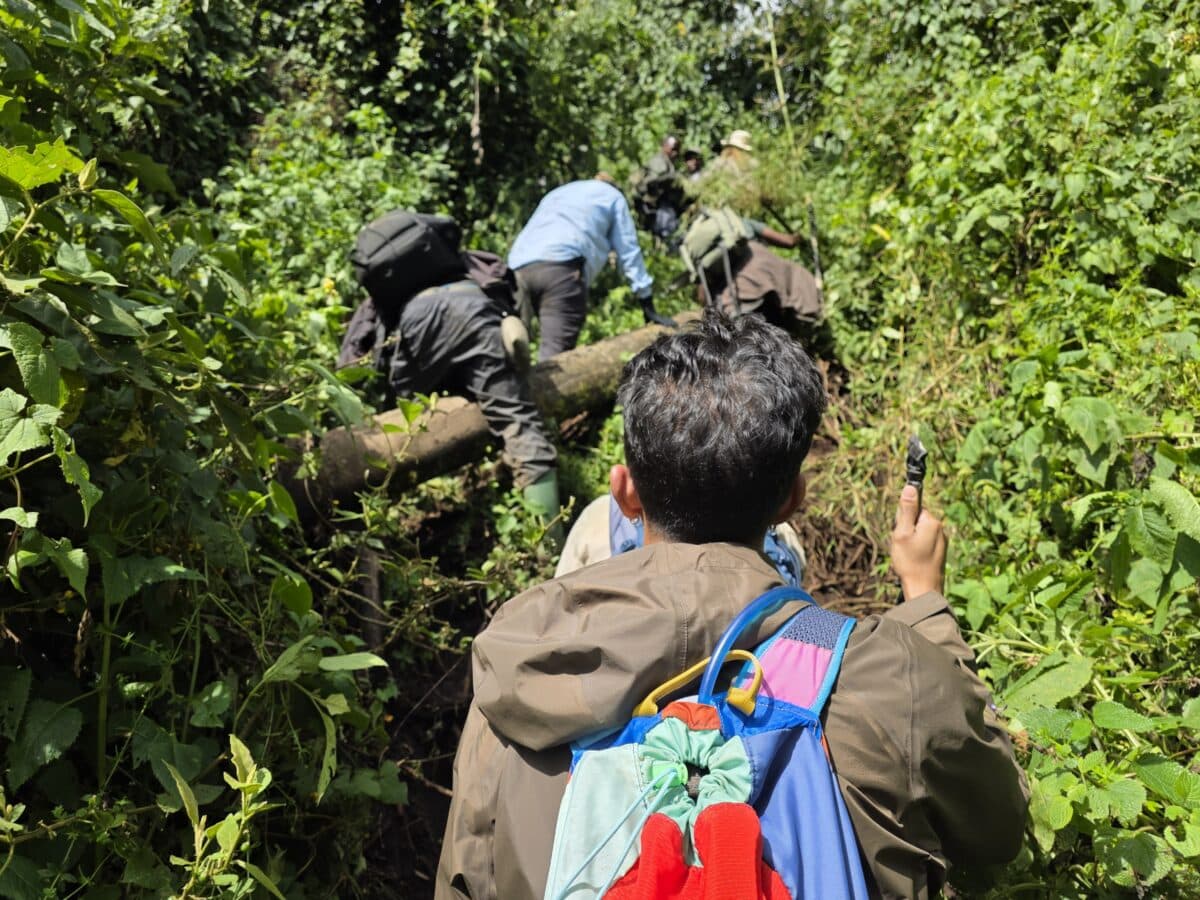
You might get a 10-minute hike. You might get a 7+ hour one. I got the second version, despite signing up for the easy trek.
The gorilla encounter itself was every bit as unforgettable as I hoped. But getting there also meant mud, steep terrain, thick vegetation, bugs, and a lot more physical effort than I expected. So if you’re planning your own trek, this is what I’d wear and pack based on what I learned the hard way.
If you want a better idea of what this actually looked like, I’d also watch my gorilla trekking video and read my post on everything I did wrong before the trek.
I did my trek in Rwanda, but this advice applies just as much if you’re going to Uganda.
What to Wear for Gorilla Trekking
This is not a “cute hiking outfit” situation. You want clothes that can handle mud, plants scraping against you, sweat, and a hike that may go on a lot longer than expected.
Disclosure: This post contains affiliate links. Shopping through them supports this blog at no extra cost to you. Thank you!
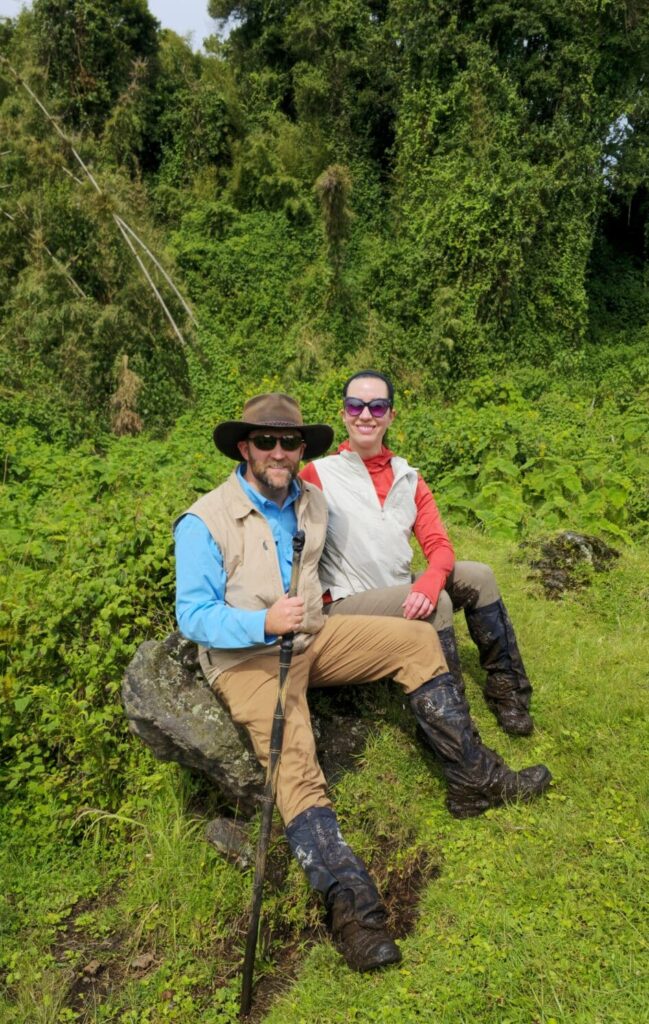
Long-Sleeve Shirt
I would absolutely wear a lightweight long-sleeve shirt for this.
You are moving through brush, not strolling down some nice clear trail, and your arms will be better off with coverage. It also helps with bugs and sun, without feeling too heavy if you pick the right fabric. (We like these hiking shirts – just pick a darker color so it won’t show the mud as much. These are also Zac’s new favorite travel shirts.)
Hiking Pants
Wear actual hiking pants. Not leggings you hope will pass as hiking pants. There are some picky, thorny plants on these trails, and you don’t want your leggings getting snagged on them!
What you want is something lightweight but sturdy enough to deal with mud, branches, and all the random stuff you end up walking through. Full leg coverage is a must here. (I wore these pants and Zac wore these – they both were great for this trek!)
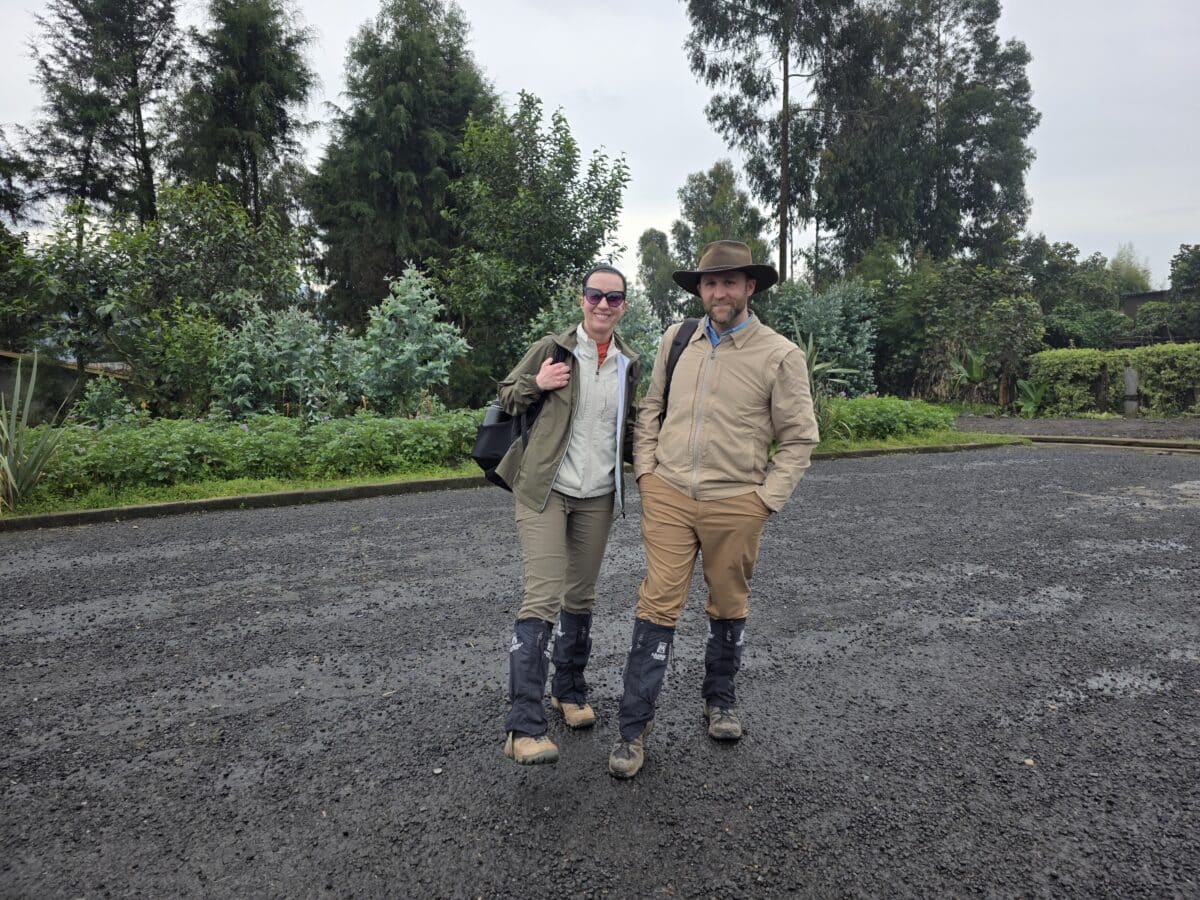
Gaiters
I would not skip gaiters.
This is probably one of the biggest things I underestimated before doing this. They help keep mud, dirt, and everything else out of your boots, and when you are already tired, the last thing you want is to feel junk sliding around in your boots.
I did not bring my own, and I really did not understand how dumb that was until I was out there slipping around in the mud. Our trek had gotten absolutely dumped on with rain before we went, so the trail was a muddy mess.
Thankfully, the team at Amakoro Songa let me borrow gaiters and get them on, because I had no clue what I was doing. If I ever do this again, gaiters are coming with me. They make a real difference when everything is muddy, and you are trudging through thick brush.
Gloves
I would also bring gloves next time without question.
This was another one of those things I did not take seriously enough because I thought I was doing the easy trek. Then the trail turned steep and slick, and I kept losing my footing, and I was grabbing thorny bushes and stinging plants to catch myself. My hands got scratched up, and I even smashed my camera trying not to fall.
So yes, gloves are a must!
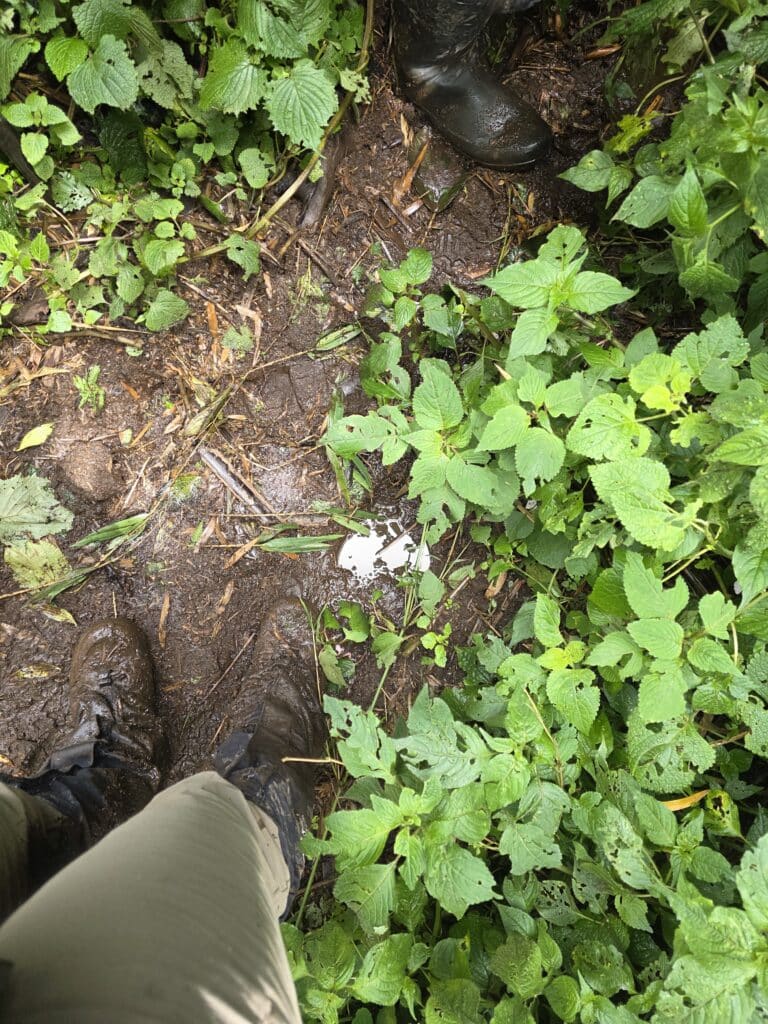
Good Hiking Boots
You want broken-in hiking boots with decent ankle support. These also need to be waterproof or at least water-resistant.
The ground can be muddy, uneven, and slippery, and you may be going up or down much steeper sections than you expected. This is not the place to test your luck with questionable footwear.
Good Long Socks
Your sock choice matters more than it seems like it should.
I would go with comfortable hiking socks that you already know work for you. Anything that rubs, slides, or starts causing blisters is going to get old very fast on a long trek. These also need to go over your ankles.
Light Layers
Even if it warms up once you get moving, I would still dress in layers.
Early mornings can feel cool, especially before the hike really gets going. I’d rather have one light extra layer I can take off than be annoyed and cold at the start. Personally, I also recommend this light layer to be a light rain jacket, just in case you get a downpour!
Another thing my husband and I were very grateful to have on was our SCOTTeVESTs. We like these more for the plethora of pockets than anything else. If you hire a porter, you won’t have your backpack on you, so having a few essentials stuffed in my pockets, including a full water bottle, really made this day a lot easier.
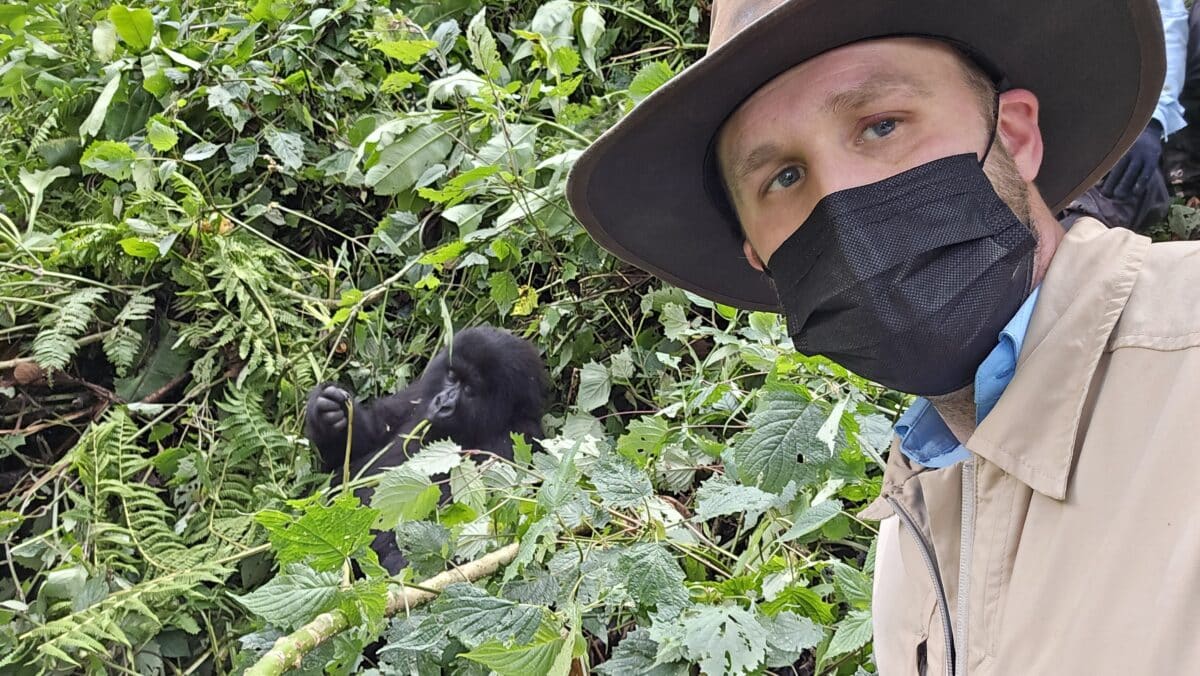
Hat
A hat is a must. I skipped mine, and I regretted it.
That morning, my head was pounding, and the idea of putting on a hat sounded miserable, so I just did not. A few hours later, I had a sunburn, my hands were filthy… so reapplying sunscreen was not really happening, and I kept smacking my ear into stinging plants.
At one point, I remember looking at our guide wearing a winter hat and thinking, “Why is she bundling up?” Then I hit one of those plants again, and it all made sense. If I were doing this again, I would absolutely bring a lightweight hat or beanie that covers your ears.
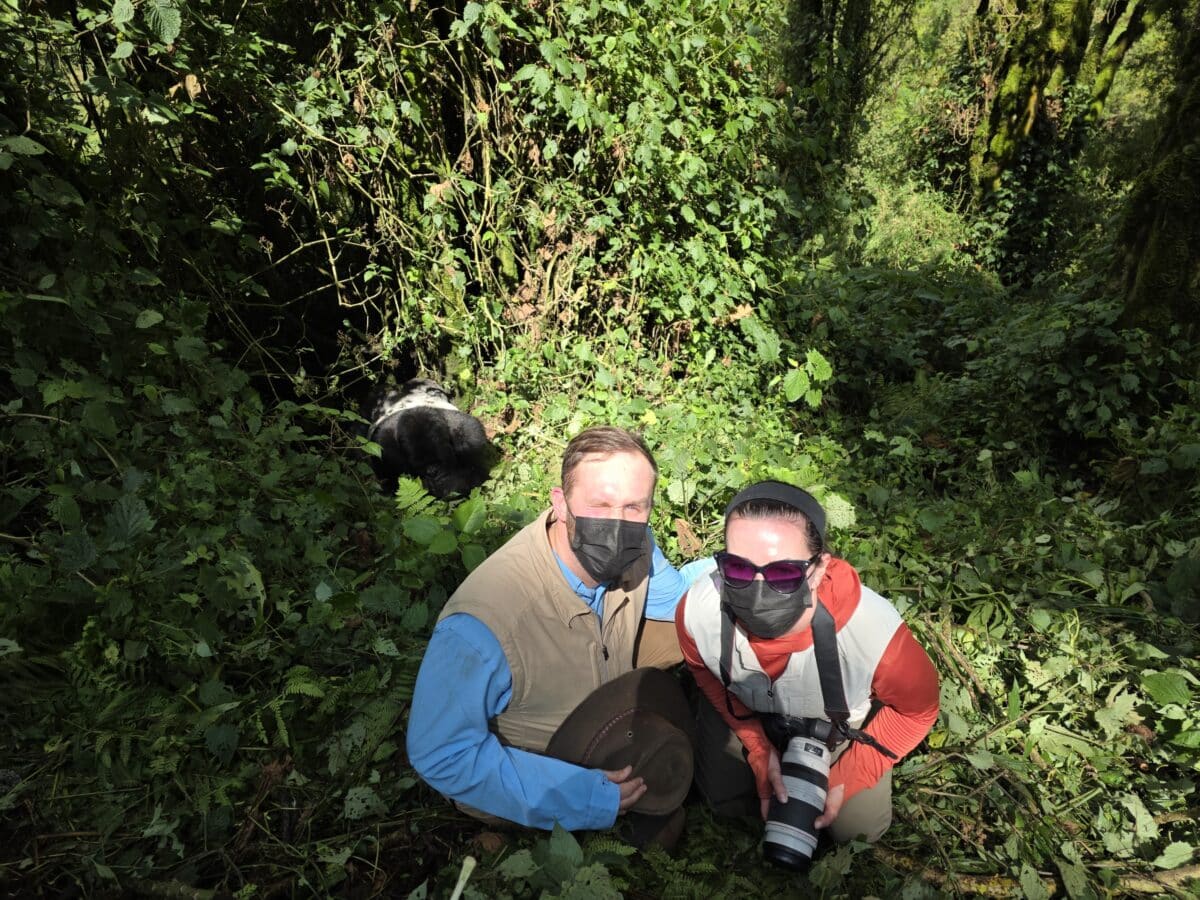
Sunglasses
Sunglasses are important. You are exposed for parts of this hike, and when you’re moving through thick vegetation, they can also help protect your eyes.
I’d make sure you can push them up on your head and have them stay securely, or have them on a neck strap so you don’t lose them.
Trekking Poles
If you already own trekking poles, bring them.
I had nice lightweight ones from the Inca Trail, and for some reason, I left them behind because I thought, “This is the easy hike, I won’t need them.” Very funny in hindsight. The park gives you a wooden walking stick, which is better than nothing, but it is not the same as having two poles you already know how to use.
What to Pack in Your Daypack
Try not to go overboard, because you do not want to haul a giant heavy backpack around for hours. But there are also a few things I would really not mess around with.
Water
Bring more water than you think you need.
I packed for the version of this hike that existed in my head, not the one I actually got. So when my “easy” trek turned into more than seven hours, I was definitely wishing I had brought more. I also was not great about stopping and digging around for my water bottle, which meant I probably drank less than I should have.
If I were doing this again, I would be much more serious about hydration. A hydration bladder would honestly be ideal, because the easier it is to sip water as you go, the more likely you are to actually do it.
Bug Spray
I would 100% bring bug spray.
You are out in the forest, and malaria is something you do not want to risk. I would not wing this one.
Sunscreen
Even when it does not feel blazing hot, sunscreen is still worth having.
You may be more exposed than you expect at different points, and it is an easy thing to throw in your bag. (I like using this stuff when I’m hiking.)
Face Masks
You have to wear a face mask near the gorillas, whether you feel sick or not. We can pass diseases to them and vice versa.
Small First-Aid Basics
Nothing crazy. Just the basics.
A couple of bandages, blister care, Advil, Pepto, and maybe a wipe or two go a long way. This is more about being prepared for annoying little issues before they turn into bigger ones.
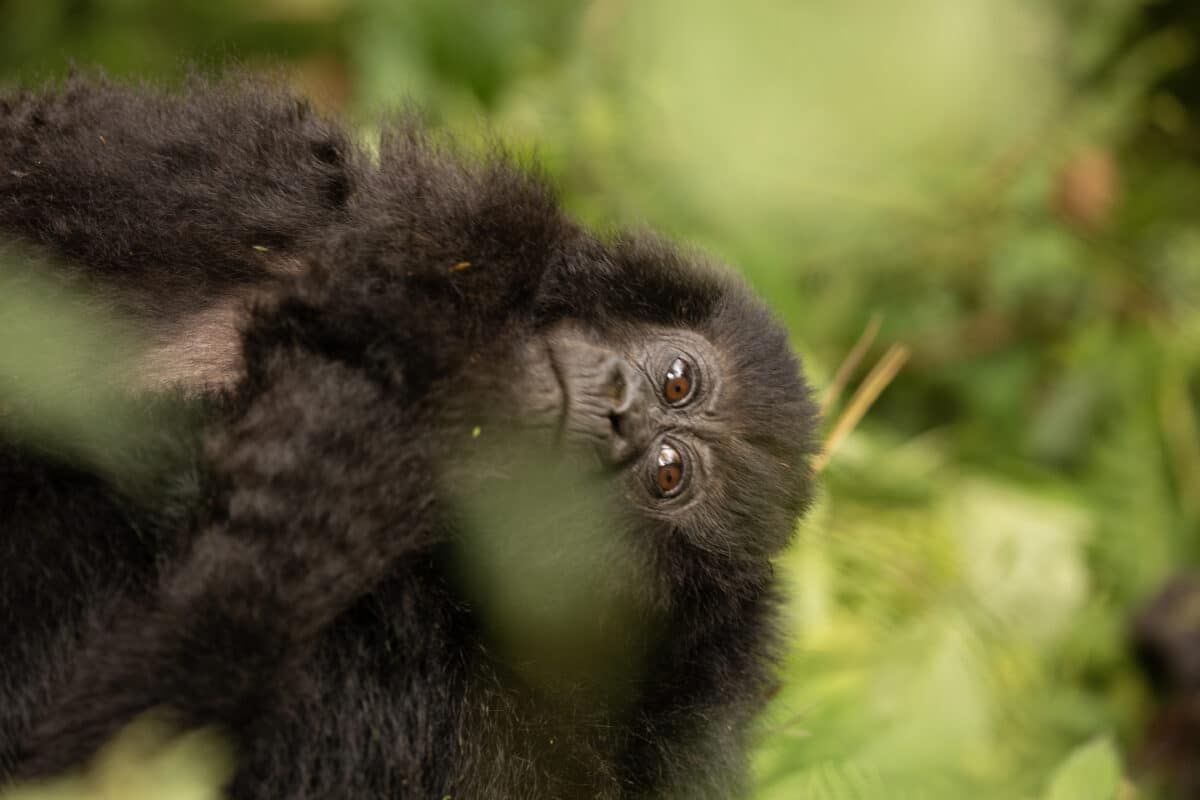
Phone or Camera
Obviously, you are going to want this.
I would just make sure it is easy to access without having to dig through everything in your bag every time you want it. And if you have room for a portable charger, not a bad idea either.
Small Towel or Cloth
This sounds random, but I think it is worth it.
Nice for sweaty, muddy hands, or just feeling slightly less grimy at some point during the day.
Snacks
Bring a couple of snacks from home that you already know you like.
This mattered a lot more than I expected because my stomach was off, and the last thing I wanted while hiking for hours was to experiment with unfamiliar snacks. At one point, I found an old granola bar in my backpack, the same kind I eat at home, and I was absurdly happy about it.
That sad little granola bar was basically gold to me. So now I would absolutely pack a few familiar snacks on purpose instead of hoping whatever I threw in my bag would sound good later.
Bathroom Supplies
This is not glamorous, but I would pack a bathroom plan.
If your hike ends up being a long one, at some point this becomes relevant, and it is much better to have thought about it ahead of time. I really wish I had packed toilet paper, a bag to pack it out, and my female urination device that I had already brought on the Inca Trail.
I actually own one, which makes this even more annoying. Somehow, I packed it for Peru and not for this. Still irritated with myself over that choice.
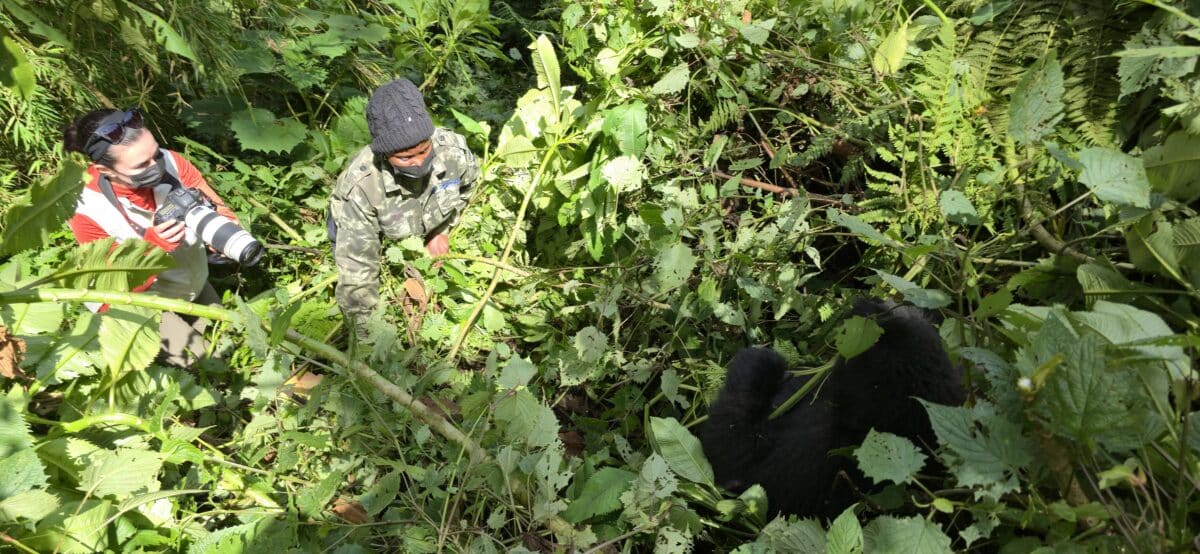
Camera Gear
Do not overpack camera gear for this.
I had this whole idea that I was going to be switching lenses and getting all these artistic shots, which was adorable and not at all how the day actually went. Once you get close to the gorillas, you cannot bring your backpack in, so whatever camera setup you have needs to be easy to manage on your body.
I brought my 100–400mm, which I was very glad to have, and my 24–105mm, which I never touched. That second lens was just extra weight I did not need while hiking through mud and thorny plants.
A Few Things I Would Personally Not Skip
If I were doing this again, the things I would feel strongest about packing are gaiters, a hat, sunglasses, gloves, good hiking boots, proper hiking pants, enough water, and bug spray.
Those are the things that would make the biggest difference between feeling prepared and feeling miserable.
See It in Action
The gorilla encounter is incredible. That part absolutely lives up to the hype.
But the trek to get there can be a lot tougher and more unpredictable than people expect, which is why I’d pack for the harder version of the day, not the easiest one.
If you want a better idea of what this actually looked like, I’d also watch my gorilla trekking video and read my post on everything I did wrong before the trek.

Such a great read – thanks for sharing!
Thanks for sharing your list
It’s always important to pack what you need
A friend, Joe Furman, has a friend he went to Senegal with. She has her own group that she studies. Jill Pruetz? UT Texas. Thanks.
Thanks for sharing the tips. Good to know.