
The 10 Best U.S. Cities for Families in 2026, According to a New Study
A new study found that cities like Lexington, Durham, and Madison are giving families more of what they actually need right now: affordability, childcare access, and a little breathing room.

Raising a family is expensive just about everywhere right now, but some cities are doing a much better job than others of making it feel manageable.
A new StorageCafe study ranking the 100 largest U.S. cities by family-friendliness found that Southern and Midwestern cities are leading the pack in 2026.
The study looked at the things that tend to make or break daily family life: housing costs, childcare expenses, education, healthcare, safety, parks, commute times, and even self-storage costs. In other words, not just where families can live, but where they might actually be able to live without feeling squeezed from every direction.
The 10 Best Cities for Families in 2026, Ranked
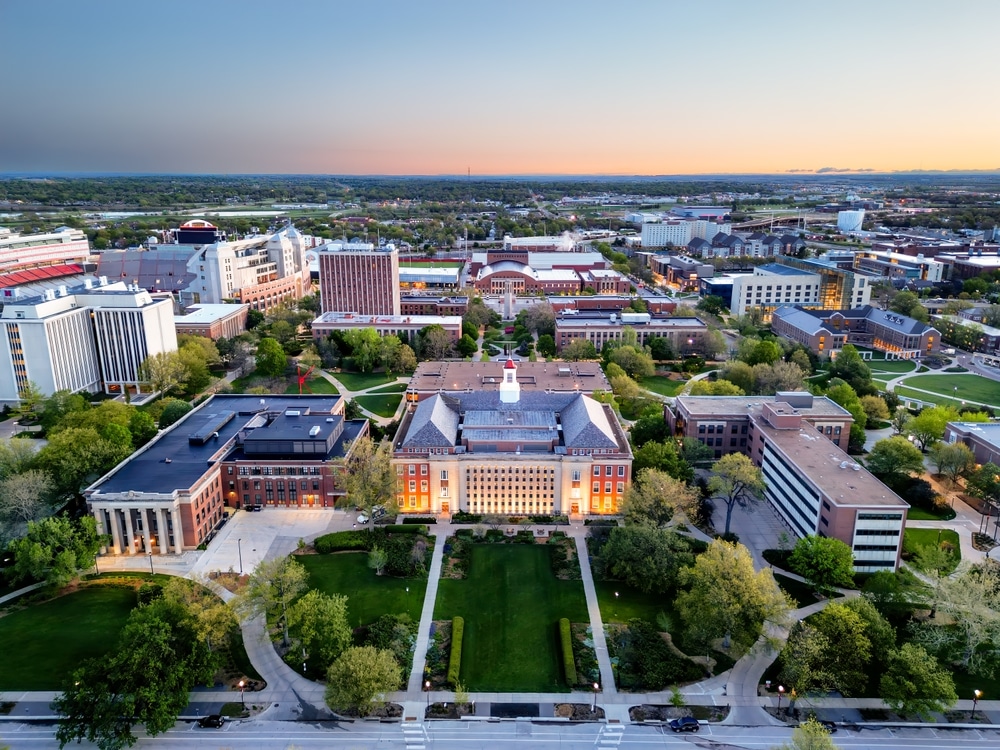
10. Lincoln, Nebraska
Lincoln came in at No. 10 thanks to a mix of affordability, short commutes, and a strong job market. Families there earn close to $96,000 annually on average, while home prices sit around $285,000, which looks a lot more realistic than what many parents are facing in larger coastal cities.
The city also scored well for everyday quality of life. Commutes average just over 19 minutes, and there are plenty of outdoor amenities for kids, including playgrounds, basketball courts, and other recreation spaces that make it easier to get out of the house without spending much money.

9. Atlanta, Georgia
Atlanta was the only city in the top 10 with a population over 500,000, which makes its placement a little more interesting. It offers the kind of big-city career opportunities many families want, but the study found childcare costs are still relatively affordable compared to local income, with two children costing around $15,000 a year, or about 13% of household income.
That balance seems to be what helped Atlanta stand out. Families there also benefit from remote work flexibility, a highly educated workforce, and access to a lot of parks, cultural venues, and family-friendly amenities. The Beltline alone gives the city a big quality-of-life boost.

8. Pittsburgh, Pennsylvania
Pittsburgh was the only Northeastern city to crack the top 10, which says a lot about how tough affordability has become in that part of the country. The study points to relatively attainable home prices, low property taxes, strong schools, and walkable neighborhoods as major reasons it performed so well.
It also helps that Pittsburgh has built itself into a stronger tech and medical hub over time. Parents there get some flexibility too, with about 18% of workers operating remotely, plus access to museums, gardens, sports venues, and other entertainment that makes family life feel a little fuller.

7. Omaha, Nebraska
Omaha ranked well for something a lot of families are craving right now: steadiness. The study highlights low unemployment, short commutes, and solid childcare availability, all of which matter when parents are trying to make the logistics of everyday life work.
Childcare for two children averages around $22,000 annually, and the city has 92 centers per 10,000 children. Families also make up a visible share of the population, which can make a city feel more livable in the day-to-day, not just good on paper.

6. Richmond, Virginia
Richmond landed at No. 6 with a strong showing in childcare access, healthcare, and commute times. Parents can choose from roughly 109 childcare providers per 10,000 children, and the average commute is just 23 minutes, which matters more than people give it credit for when you’re juggling school drop-offs, work, and dinner.
The city also benefits from a growing healthcare and biotech sector, plus a solid mix of museums, performance venues, and dining options. It reads like a city that is trying to grow without becoming impossible for families to keep up with financially.

5. St. Louis, Missouri
St. Louis did especially well on affordability. The study found average rents around $1,650 a month, three-bedroom homes near $251,000, and property taxes roughly $1,000 below the national norm. For a lot of families, those numbers alone would be enough to put it on the radar.
It also scored high for childcare access and pediatric care. St. Louis has 119 childcare providers per 10,000 children and more than 50 pediatricians per 10,000 children, which was one of the strongest healthcare ratios in the country. Add in attractions like the zoo and City Museum, and it starts to make sense why it ranked this high.

4. Winston-Salem, North Carolina
Winston-Salem seems to hit a sweet spot that a lot of younger families are after right now: decent housing costs, manageable childcare bills, and shorter commutes. The study found childcare for two children averages about $13,000 a year there, making it one of the lowest totals in the country.
That matters, but so does time. Average commute times are about 20 minutes, and the city offers a lot of access to parks and lakes. It’s the kind of place where daily life may just feel a little less frantic, which honestly has real value.
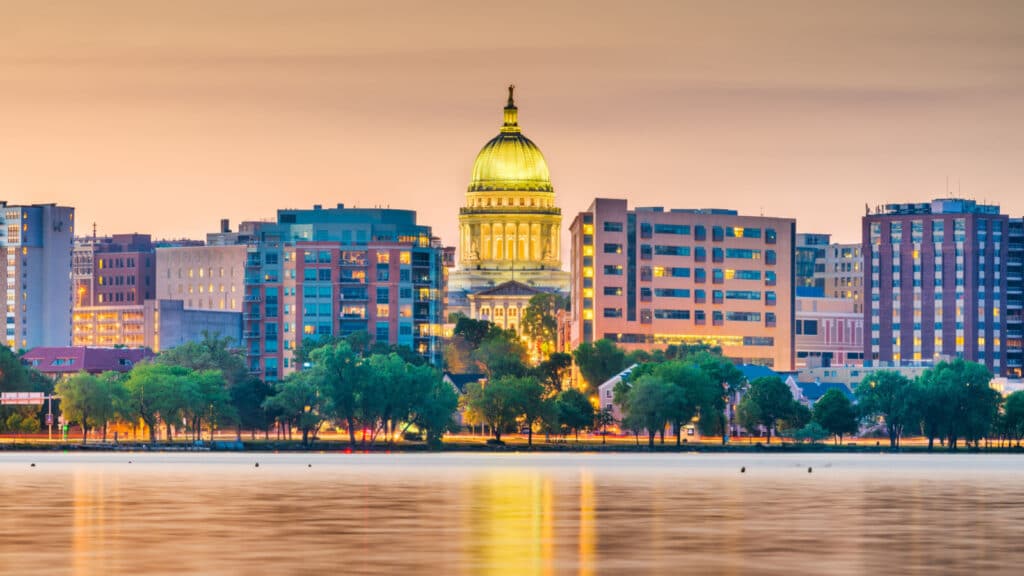
3. Madison, Wisconsin
Madison was one of just a handful of cities in the study where the share of households with children has actually grown over the past decade, which already makes it stand out. It also posted the highest annual income among the top 10, with two working parents bringing in more than $125,000 on average.
Childcare is expensive there at nearly $27,000 a year for two children, but the study notes that higher local incomes help offset that. Families also get strong schools, low unemployment, a low student-teacher ratio, and a huge amount of parkland, which gives Madison a pretty compelling mix of opportunity and livability. (Plus, Madison has a ton of fun things to do!)

2. Durham, North Carolina
Durham took the No. 2 spot, and a lot of that comes down to flexibility and earnings. With Duke University and a strong tech scene helping anchor the local economy, the city has a high share of remote workers and one of the highest two-earner household incomes among the top-ranked cities.
The study also found that childcare for two children averages about $17,000 a year, or roughly 14% of family income, which is one of the lower shares nationwide. Durham was also one of the few cities where the share of households with children has increased over the past decade, which makes it look like more than just a good place to work. Families are actually choosing to stay there.
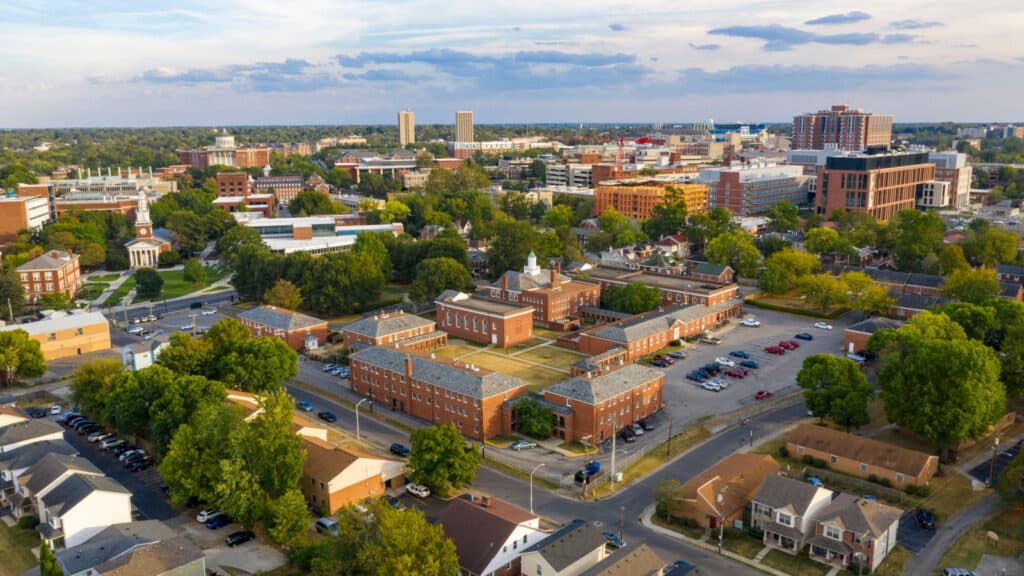
1. Lexington, Kentucky
Lexington topped the list because it seems to give families something that is getting harder to find: balance. The study found that the average three-bedroom home costs around $307,000, with mortgage payments taking up about 18% of median income. Rent also stays below the usual affordability threshold.
It also scored well on groceries, childcare, schools, healthcare access, and park space. Childcare for two children runs around $17,000 annually, and Lexington has nearly 20 pediatricians per 10,000 children. Add in lots of parkland and a strong public-school presence, and it reads like a city where families can put down roots without every decision feeling like a financial tradeoff.
Families weighing a move are clearly looking beyond just home prices right now. Schools, childcare, healthcare, and the general day-to-day feel of a place all matter, too. For a broader look at how states compare, you can also check out my pieces on the worst states to have a baby and the best and worst school systems in the country.
The Worst States to Have a Baby, According to a New Study

Bringing a baby into the world has never been cheap, but this year takes it to another level. The average hospital delivery now runs more than $2,600 even with insurance, and nearly $15,000 without. But not every state hits new parents’ wallets (or nerves) equally hard.
Read more: The Worst States to Have a Baby, According to a New Study
12 States With the Best and Worst School Systems, According to a New Report

So, here’s the scoop on the best and worst school systems in the country. Some states with top-ranking schools might surprise you….
Read more: 12 States With the Best and Worst School Systems, According to a New Report
A New Study Just Ranked the Fittest States in America — Plus 5 That Are Falling Behind

A new index looked at gyms, obesity, sleep, fast food, and exercise habits to see which states are actually prioritizing fitness in 2026.
Read more: A New Study Just Ranked the Fittest States in America — Plus 5 That Are Falling Behind