
These Are the 10 Most Luxurious Cities in the U.S. — And No, NYC and LA Aren’t No. 1
A new study analyzed access to dining, culture, education, and lifestyle amenities to see where luxury living actually works best.
Luxury used to mean excess, with sprawling mansions, private jets, and penthouses that sat empty most of the year. But that definition has shifted.
Today, luxury is about access. It’s being able to book a facialist without waiting six months. It’s fine dining on a Tuesday night. It’s living close enough to culture, wellness, and top-tier schools that they feel like part of everyday life, not a special occasion.
To see where that kind of luxury actually exists in the U.S., a recent study analyzed the 100 largest cities and ranked them based on what modern high-end living looks like right now. When luxury is measured per resident (not just in raw numbers), the results look very different. Some cities perform exactly as expected. Others may come as a surprise.
How the ranking was determined
Cities were evaluated across seven pillars of luxury living: wealth and affluence, luxury real estate, fine dining, education, fashion and beauty access, entertainment and culture, and overall lifestyle amenities. Rankings were weighted on a per-capita basis to reflect accessibility rather than sheer size.
The cities that lead this ranking don’t all look the same. Some are dense, wealthy, and globally connected. Others are smaller, more focused, and stand out because of what they offer the people who actually live there.
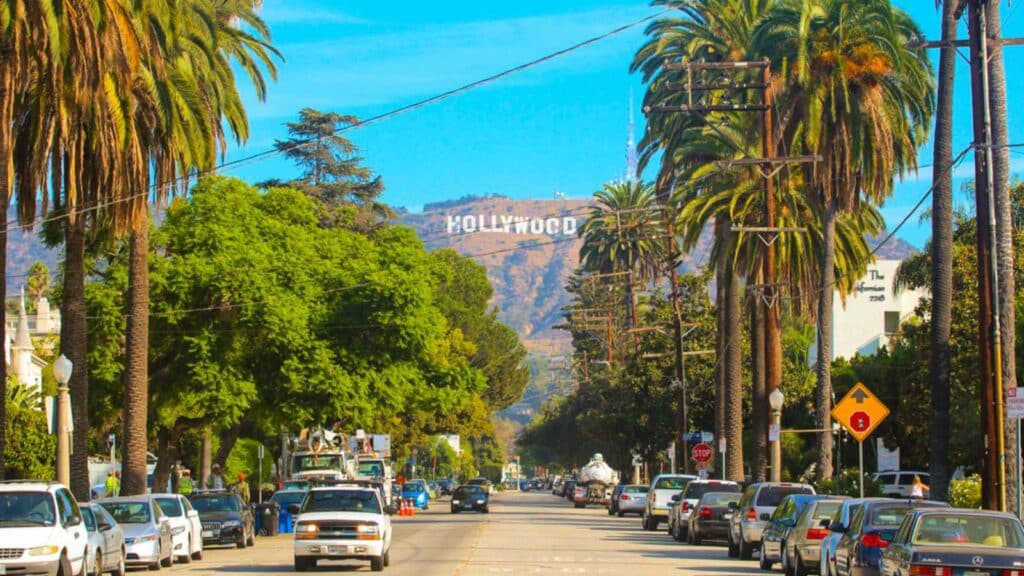
10. Los Angeles, California
Los Angeles brings sheer volume. Luxury gyms, med spas, five-star hotels, fashion launches, and influencer-driven events are baked into daily life. Members-only clubs, high-end farmers’ markets, and retail enclaves like Melrose Place blur the line between public and private space.
Unsurprisingly, LA scores well in beauty and fashion access, but it ranks lower in traditional cultural categories like opera and classical performance. Even so, its entertainment ecosystem remains unmatched, making luxury feel omnipresent — if sometimes overwhelming.
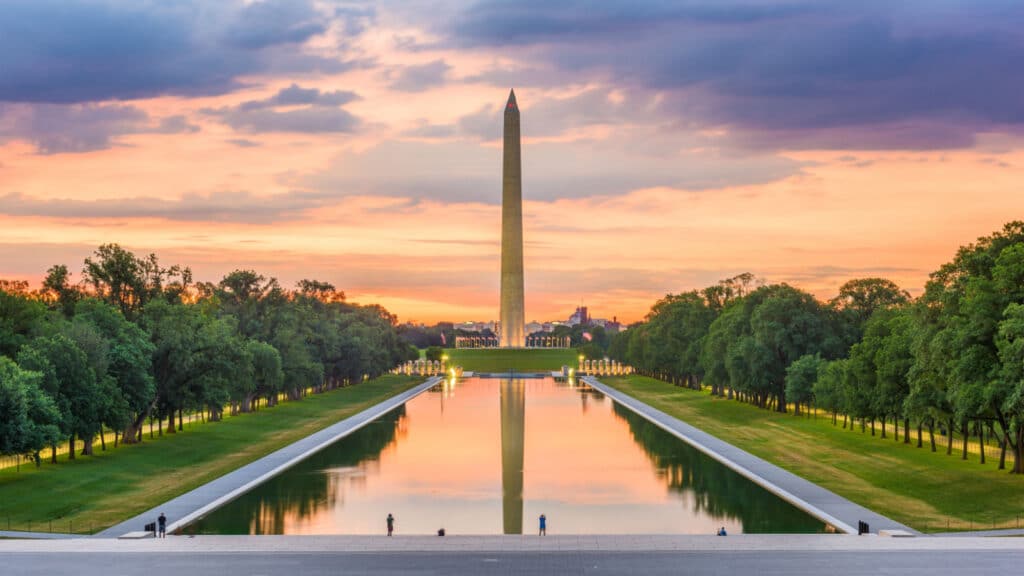
9. Washington, D.C.
Washington, D.C. delivers a quieter, more institutional version of luxury. It ranks strongly in real estate and education, with million-dollar homes clustered in neighborhoods like Georgetown, Capitol Hill, and Kalorama.
Cultural access is a major strength, with dozens of museums and institutions contributing to its high entertainment and culture score. While fashion and beauty services aren’t its standout categories, the dining scene has become increasingly competitive, with fine dining options expanding well beyond the federal core.
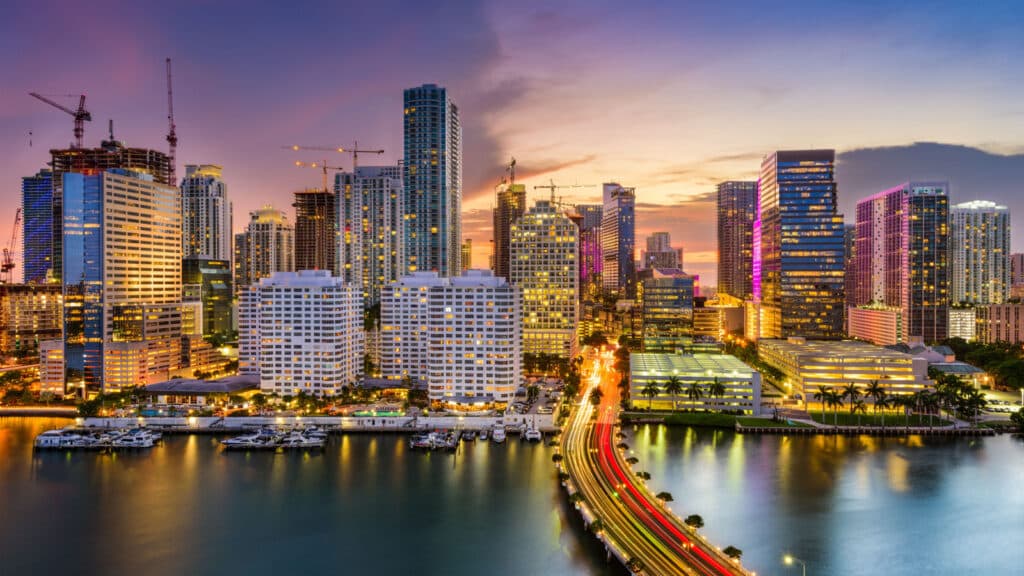
8. Miami, Florida
Miami’s luxury is as much about pace as it is about price. Michelin-starred restaurants, private wellness clubs, and international fashion pop-ups define neighborhoods like Brickell and Coral Gables, while events like Art Basel bring invite-only dinners and collectors’ lounges into the spotlight.
The city performs well across most categories, but its lower median wage highlights a key trade-off: while luxury is visible everywhere, it’s most accessible to top earners rather than the average resident.
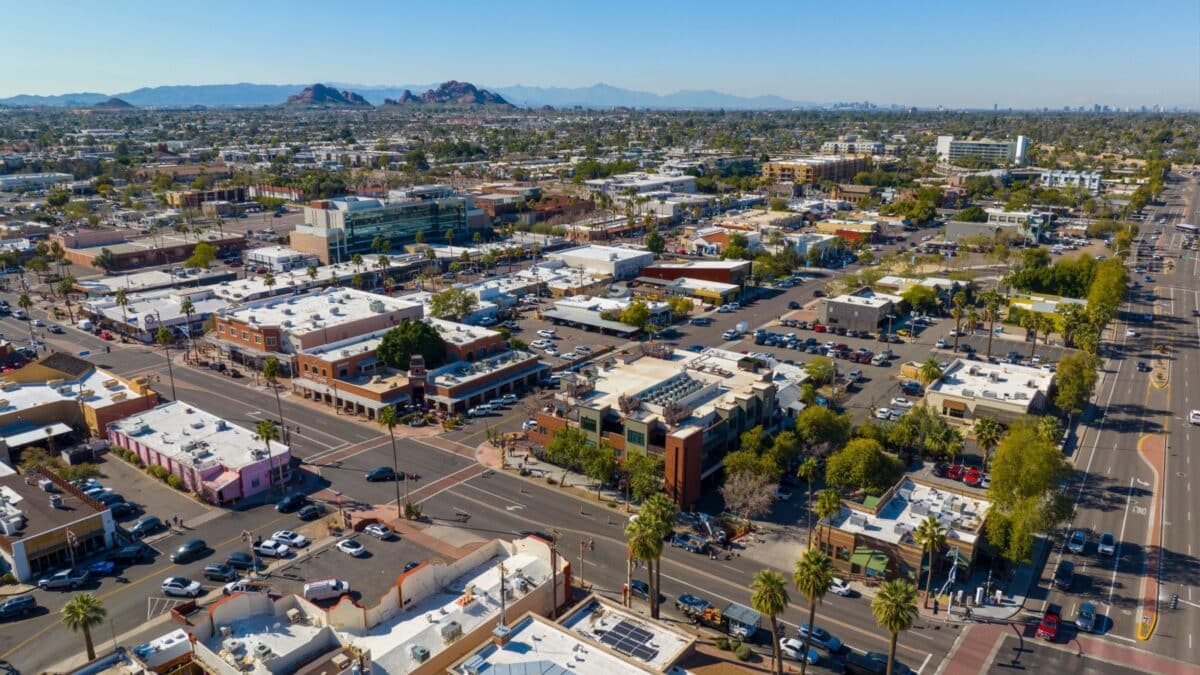
7. Scottsdale, Arizona
Scottsdale blends resort-style living with residential ease. Custom homes with private theaters, yoga studios, and sweeping desert views make everyday life feel vacation-adjacent.
The city ranks highly for upscale dining and nightlife, but it trails in fashion and elite education. For those who prioritize wellness, space, and leisure over couture and prep schools, Scottsdale’s version of luxury hits a sweet spot.
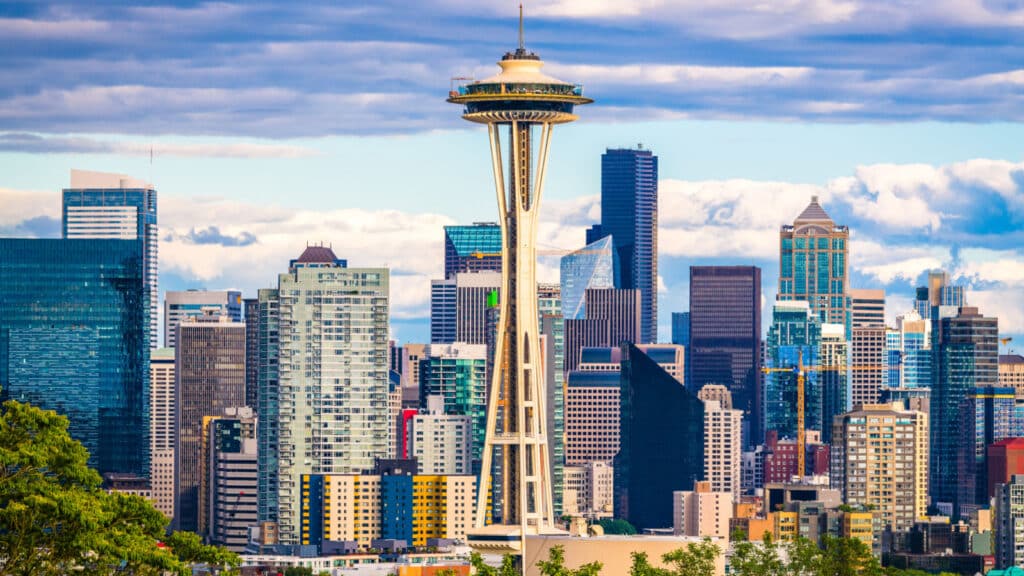
6. Seattle, Washington
Seattle’s luxury is understated and intentional. It performs consistently well across most categories, particularly education, culture, and real estate, even if it avoids flash.
Fine dining institutions overlook Lake Union, while wellness trends lean toward forest bathing, cold plunges, and outdoor-centric lifestyles. Wealth here favors modern design, privacy, and access over spectacle — a quiet luxury that feels deeply Pacific Northwest.
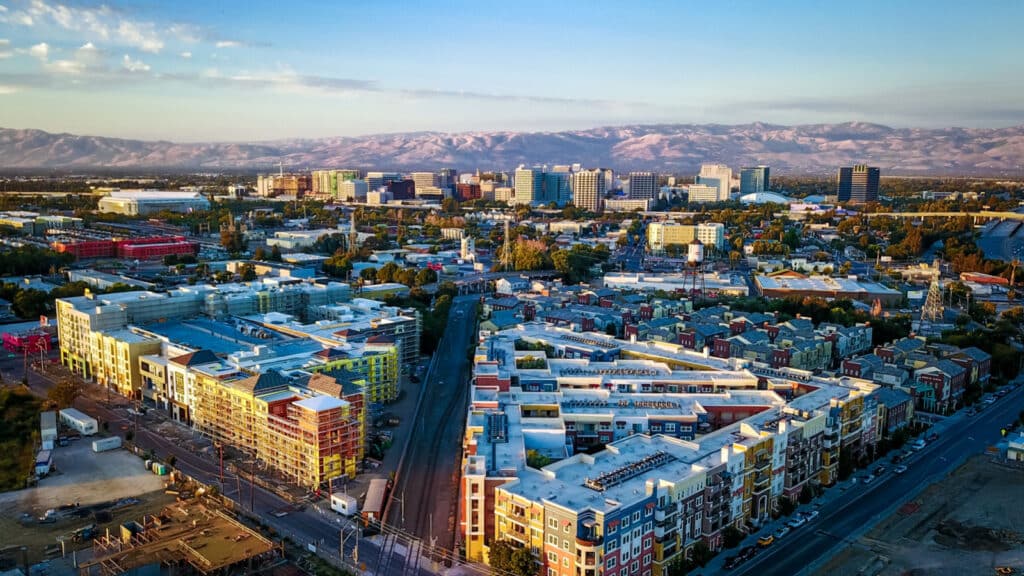
5. San Jose, California
San Jose is powered by Silicon Valley wealth and ranks first in both affluence and luxury real estate. Median household incomes exceed $125,000, and high-end services cater to tech executives and their families.
Luxury here is practical rather than performative. Gated neighborhoods, private golf courses, and members-only wine rooms are common, while fashion and entertainment take a back seat. San Jose proves that luxury doesn’t need nightlife to thrive — it just needs access.
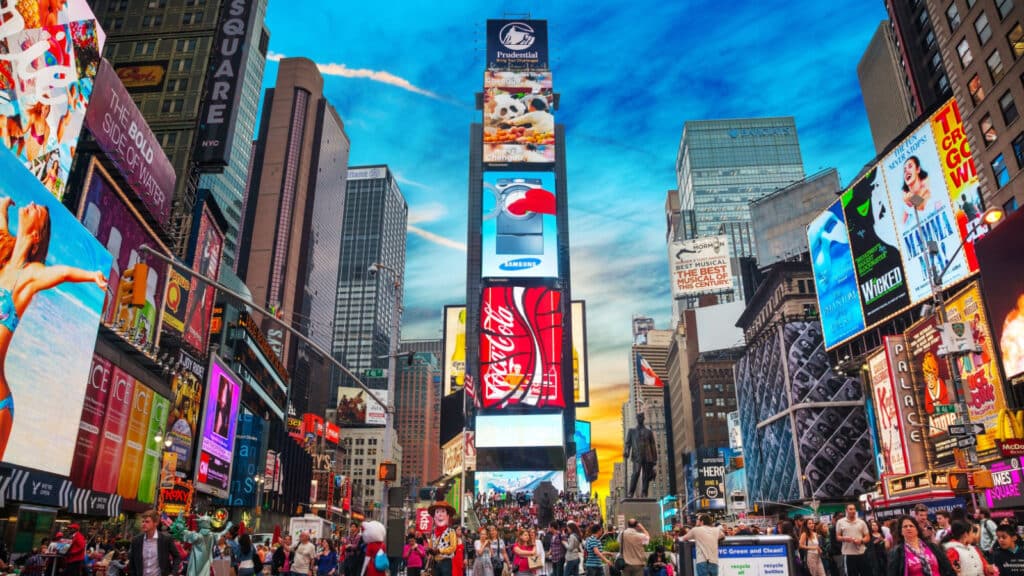
4. New York City, New York
Despite ranking fourth overall, New York City remains the national benchmark for culture and dining. With hundreds of Michelin-starred restaurants and more theaters and galleries than any other city, it offers unmatched depth.
Its overall score is tempered by scale. When measured per capita, access can feel diluted. Still, if a luxury experience exists anywhere, it almost certainly exists in New York — even if it requires patience or proximity to find it.

3. Irvine, California
Irvine exemplifies family-oriented luxury. Home to dozens of private schools and top-rated public ones, it’s designed for affluence with a carefully planned suburban layout.
Upscale plazas, wellness studios, and meticulously maintained neighborhoods make sophistication feel routine. While Irvine performs well in real estate and affluence, its dining and cultural scenes are more mid-tier, prioritizing consistency over spectacle.
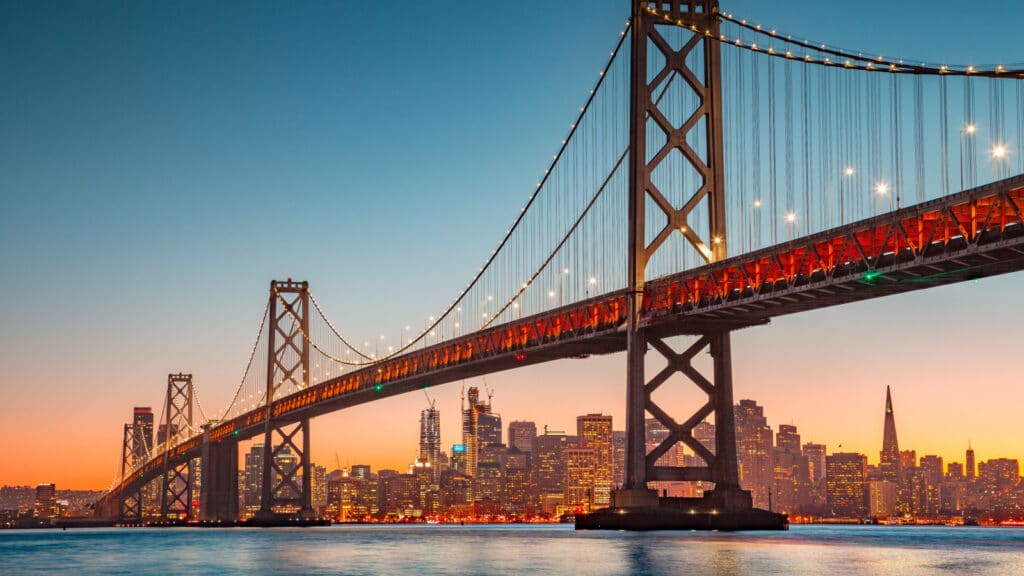
2. San Francisco, California
San Francisco blends tech wealth with refined taste. Its fine dining scene, anchored by internationally acclaimed restaurants, earns it a top ranking in culinary access.
High-end fitness clubs, independent fashion labels, and major art institutions give residents daily access to luxury experiences, while historic neighborhoods balance prestige with character. Despite its challenges, San Francisco remains one of the most culturally dense luxury hubs in the country.

1. Jersey City, New Jersey
Jersey City may be small on paper, but it’s one of the most strategically positioned cities in the U.S. With Manhattan just minutes away, residents enjoy immediate access to world-class dining, culture, and fashion — without Manhattan-level density.
At the same time, Jersey City delivers its own luxury. Waterfront residential towers offer private spas and lounges, while neighborhoods like Van Vorst Park provide boutique dining and relaxed elegance. Ranking first across multiple categories, Jersey City proves that modern luxury is less about size and more about proximity, density, and access.
If you enjoyed this story, check out the other headlines below.
The 10 Richest States in America, According to a New Study
A new analysis has revealed which U.S. states are truly the wealthiest — and it’s not just about big salaries or impressive GDPs.
Read more: The 10 Richest States in America, According to a New Study
The U.S. states with the widest wealth gaps between rich and poor

New study reveals where America’s income inequality hits hardest, and what it means for residents.
Read more: The U.S. states with the widest wealth gaps between rich and poor
The 10 Best States To Retire in 2025, According to New Data
Choosing where to spend your retirement years is no small decision, especially when you’re balancing affordability, healthcare access, and long-term peace of mind.
Read more: The 10 Best States To Retire in 2025, According to New Data
The 10 Worst States To Retire in 2025, According to New Data
If you’re narrowing down your retirement shortlist, these 10 states may be worth crossing off.
Read more: The 10 Worst States To Retire in 2025, According to New Data