
These Are the 10 States Americans Are Moving to Most Right Now, According to New Data
A new report found interstate migration slowed in 2024, but some states are still pulling in far more new residents than others.

A new report from StorageCafe took a look at where Americans moved in 2024 by analyzing U.S. Census Bureau data, including state-to-state migration patterns, income, homeownership, age, and education levels. The report ranked all 50 states and Washington, D.C., based on net domestic migration, meaning the difference between how many people moved in versus how many moved out.
The bigger picture is pretty telling. Interstate migration fell to 2.1% of the U.S. population in 2024, down from 2.3% in 2023 and 2.5% in 2022, making this the slowest year for cross-state moves in a decade.
Even with that slowdown, some states are still managing to pull in a significant number of new residents. Here are the 10 states that saw the biggest net migration gains in 2024, according to the new data.
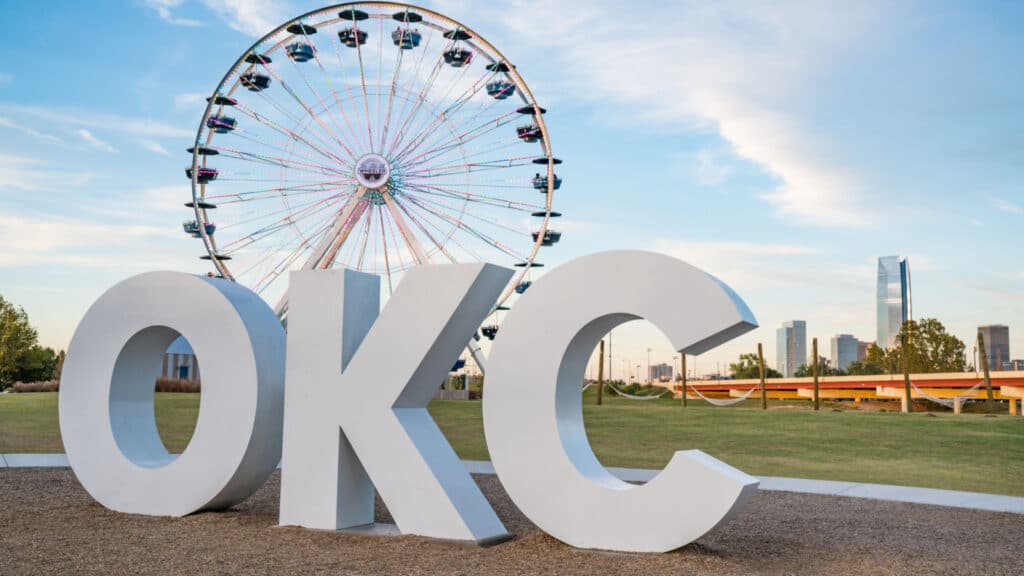
10. Oklahoma
Oklahoma added about 28,400 net new residents in 2024, which was enough to land it in the top 10. Not bad for a state that usually doesn’t dominate this kind of conversation.
A lot of the appeal comes down to cost. Housing has gotten more expensive here, too, but it is still more doable than in many of the states people are leaving. The report also points to growth in industries like energy, aerospace, logistics, and manufacturing, and 37% of new arrivals bought a home within their first year.

9. Ohio
Ohio was one of the bigger surprises in the report. After losing residents in 2023, it swung back with nearly 29,000 net gains in 2024.
That rebound says a lot about where people are at right now. States that used to feel like the cheaper alternative have gotten a lot pricier, and Ohio still looks relatively reasonable by comparison. Nearly half of new arrivals bought a home soon after moving, which suggests a lot of people are not just trying it out, they are planning to stay.
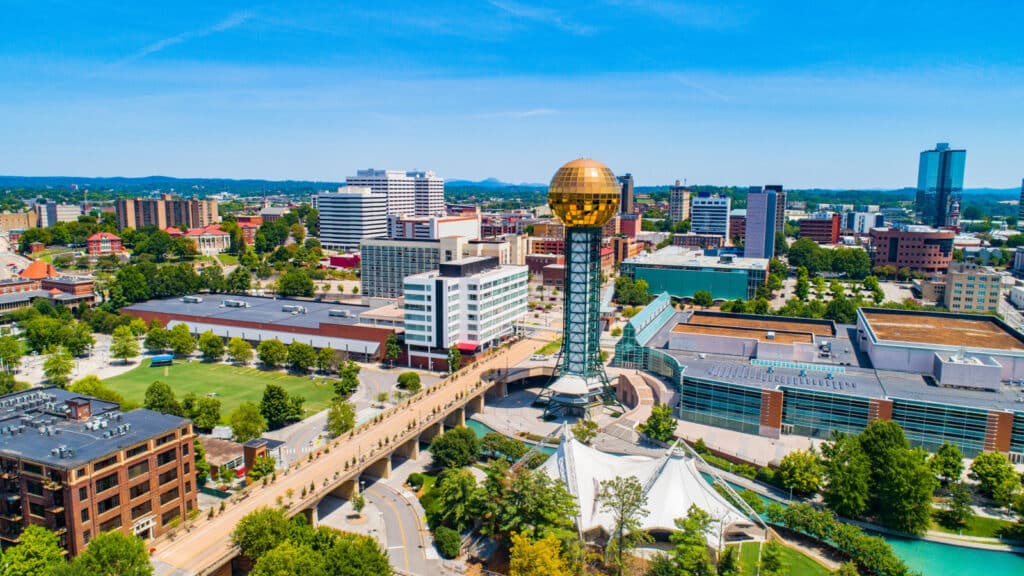
8. Tennessee
Tennessee is one of the few states on this list that actually saw migration increase year over year. Cities like Nashville, Memphis, and Knoxville are still attracting people with steady job growth and a lower cost of living compared to coastal markets.
Younger movers are a big part of this shift. Around 30% of new residents are Gen Z, which gives the state a noticeably younger energy than some of the others on this list. And with 41% of newcomers buying a home within their first year, a lot of them are clearly not treating Tennessee as a short stop.
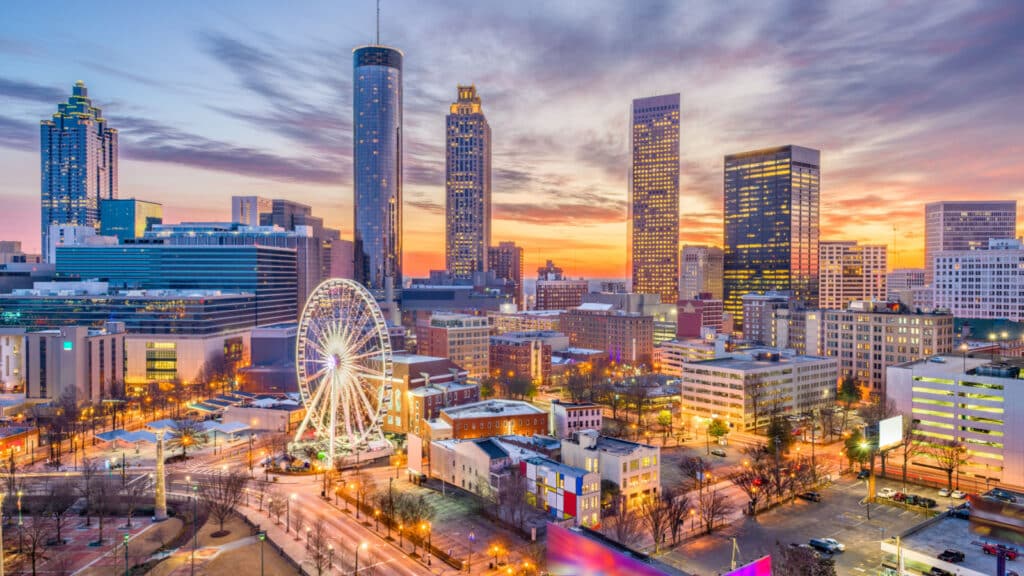
7. Georgia
Georgia is still pulling in plenty of new residents, even if the pace has cooled a little. The state added about 40,200 net newcomers in 2024, with a lot of that movement coming from Florida, Texas, and nearby Southern states.
Millennials make up the biggest share of new arrivals here, which tracks. Georgia still offers access to a strong job market, especially in and around Atlanta, without the same price tag you see in some larger coastal cities. Another telling stat: 42% of movers bought a home shortly after arriving.
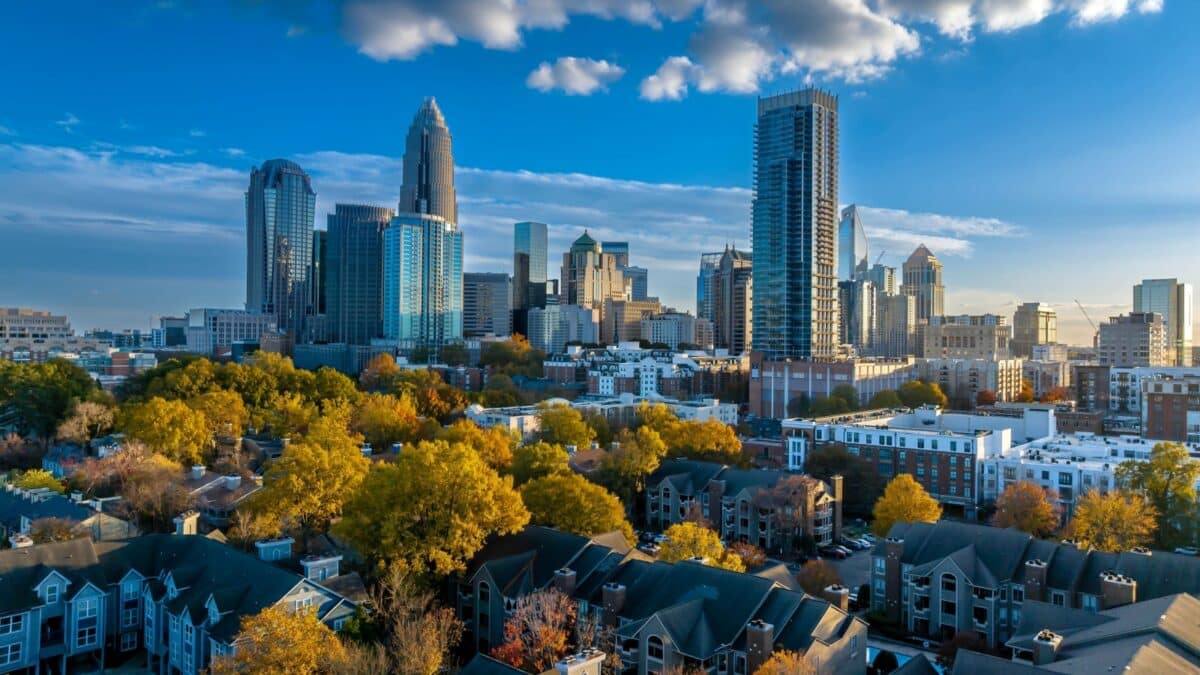
6. North Carolina
North Carolina has been a favorite for a while now, so it is not surprising to see it here again. It brought in about 42,300 net new residents in 2024, even though that total was down quite a bit from the year before.
A big part of its appeal is that it still manages to feel like a solid long-term bet. The state continues to attract highly educated movers, with 57% of new arrivals holding a bachelor’s degree or higher, and job growth in places like Charlotte and the Research Triangle is a major draw.

5. Nevada
Nevada had one of the strongest years in the report. While a lot of states saw migration slow down, Nevada actually more than doubled its net migration compared to the year before.
California is still the biggest feeder state, which is not exactly shocking. Nevada keeps offering something a lot of people want: no state income tax, relative affordability compared to California, and growing job markets in places like Las Vegas and Reno. The one interesting wrinkle here is that only about a third of new arrivals bought a home right away, so many seem to be renting first and waiting things out.
4. Arizona
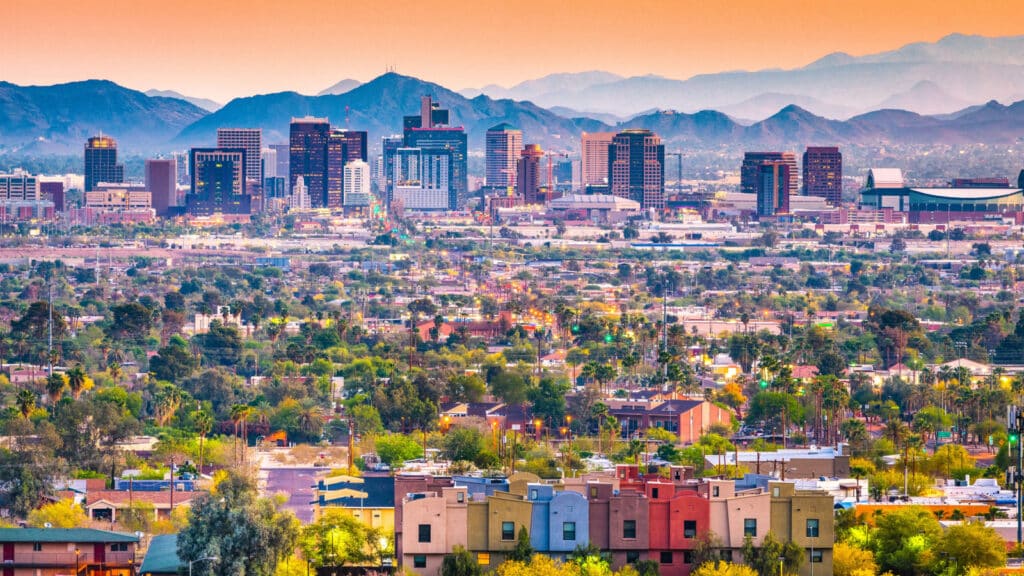
Arizona added about 51,000 net new residents in 2024, and it held up better than some of the bigger-name migration magnets. Its slowdown was fairly modest compared to what Texas and Florida saw.
Phoenix is a big reason for that. The state continues to attract workers in tech, healthcare, logistics, and manufacturing, and it still gives people a way to stay relatively close to the West Coast without paying West Coast prices. Nearly half of new arrivals bought a home shortly after moving, which points to a lot of confidence in Arizona as a place to settle.

3. South Carolina
South Carolina keeps showing up as one of the country’s strongest relocation magnets, and this year was no different. The state added about 54,000 net new residents in 2024.
What stands out here is who is moving in. Gen Z is the best-represented generation among new arrivals, which gives South Carolina a different profile than places mostly drawing retirees or older homeowners. It also still offers a more realistic path to buying a home than many fast-growth states, even after years of price increases.
2. Florida
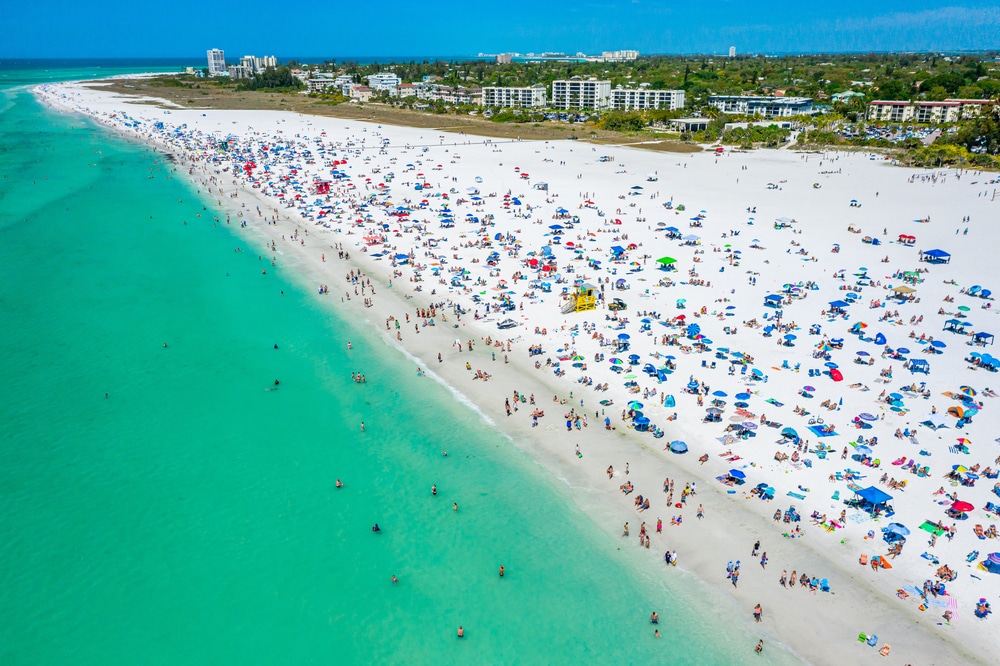
Florida is still near the top, but the report makes it pretty clear that its momentum has cooled. The state added roughly 68,000 new residents through domestic migration in 2024, but that was nearly half of what it saw the year before.
Even so, people are still buying in. About 53% of new arrivals purchased a home shortly after moving to Florida, which is one of the highest rates in the report. A lot of movers are coming from New York, Texas, and other large states, and for many, the no-income-tax appeal still seems to outweigh rising home and insurance costs.

1. Texas
Texas came in at No. 1 again, with about 76,000 net new residents in 2024. That said, it was not the kind of runaway result the state posted a couple years ago. Its net migration total was down roughly 50% from the prior year.
That slowdown is probably the most interesting part. Texas is still drawing people from California, Florida, New York, and other big states, but the old affordability argument is not quite as strong as it once was after years of sharp home-price growth. Even so, the state is still bringing in a young, educated crowd, which helps explain why it remains at the top.
This kind of shift also lines up with other state-by-state trends, including where people are spending less on groceries and which states are aging faster than the rest of the country.
- Read more: These Are the States Americans Are Leaving in Droves Right Now, According to New Data
- Read more: The 10 States Where People Spend the Least on Groceries, According to New Data
- Read more: These 10 States Are Growing Older Faster Than the Rest of America
- Read more: The 10 States Most Likely to Survive a Zombie Apocalypse, According to New Data