
What Travelers Should Know About Flight Delays and Refunds During the Government Shutdown, According to a Travel Expert
As the government shutdown continues, travelers across the U.S. are facing mounting frustration — from longer TSA lines to unexpected flight delays and cancellations.
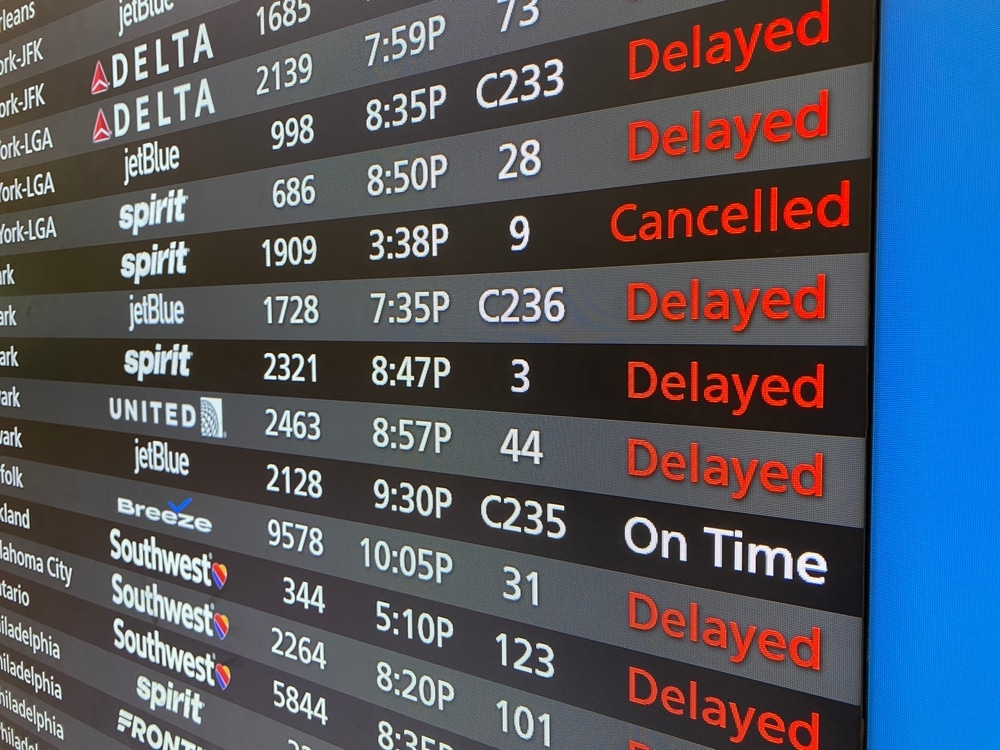
To help travelers make sense of the chaos, travel expert and Chief Information Officer of SlickTrip, Jeremy Greenburg, explains how the shutdown is disrupting air travel, what your passenger rights actually are, and what steps you can take to protect yourself if your plans are derailed.
“Government shutdowns disrupt more than just paychecks — they affect every stage of air travel, from airport security to air traffic control,” Greenburg says. “When staffing drops, flight delays and cancellations become more likely.”
Here’s what to know about navigating flight disruptions, refunds, and your rights during the shutdown.
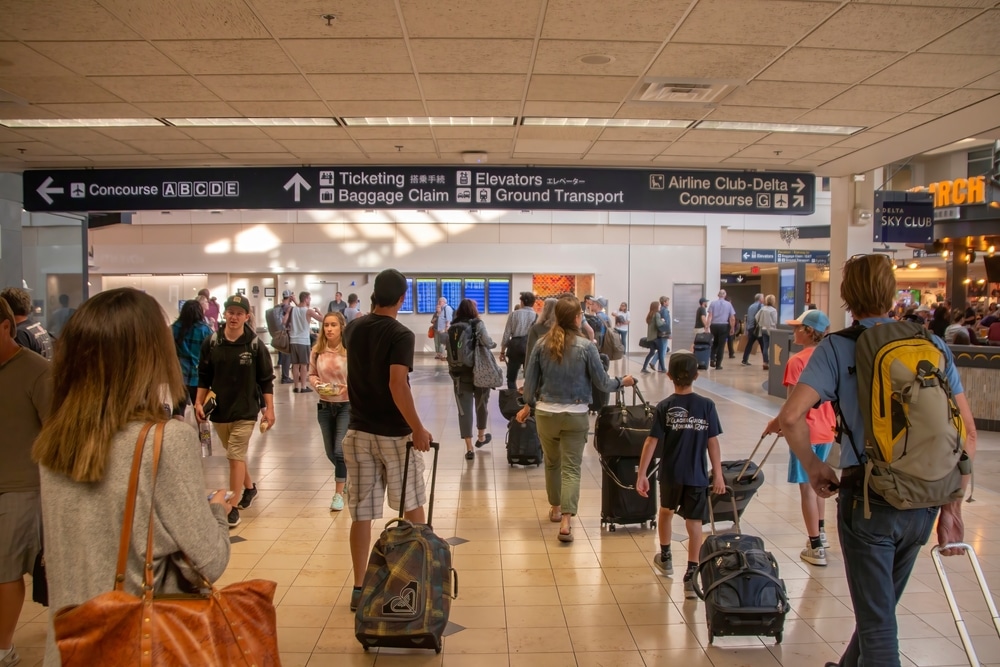
How the Government Shutdown Is Affecting Flights
Shutdowns hit the aviation system hard because many employees at agencies like the TSA and FAA are required to work without pay. While essential personnel remain on the job, many non-critical operations are paused, creating a ripple effect across the entire industry.
Fewer TSA screeners mean longer security lines. Fewer air traffic controllers mean slower flight operations and potential delays. And because FAA certification and inspection work is often delayed, new routes, maintenance approvals, and inspections can also fall behind schedule.
For international travelers, slower passport and visa processing and longer customs lines add to the frustration. “Every part of the system is under strain,” says Greenburg. “Even if your airline is ready to go, a delay in air traffic control or TSA staffing can still cause problems.”

Your Rights When Flights Are Delayed or Canceled
If your flight is canceled or significantly delayed, here’s the most important thing to remember: you’re entitled to a full refund if you choose not to travel — even during a government shutdown.
According to the U.S. Department of Transportation (DOT):
- Cancellations: If the airline cancels your flight, you’re legally owed a refund to your original form of payment.
- Significant delays: If your delay is long enough to make the trip unreasonable, you may also qualify for a refund — though each airline defines “significant” differently.
- Rebooking: If you still plan to travel, most airlines will rebook you on the next available flight or issue a travel credit.
However, when delays are caused by reduced government staffing rather than airline operations, carriers aren’t required to cover hotels, meals, or other expenses. “Compensation policies depend largely on airline discretion,” Greenburg notes. “Some may offer vouchers or hotel stays as a goodwill gesture, but it’s not guaranteed.”
Always read the fine print before accepting travel credits — many have expiration dates or usage restrictions.

Filing for Refunds and Complaints
One lesser-known side effect of a shutdown is slower refund and complaint processing. With DOT offices also operating under limited staffing, travelers may face longer wait times for responses.
If your refund or complaint is taking too long:
- Start with your airline. File a claim online or through customer service and keep a record of all communication.
- Escalate to the DOT. File a complaint at transportation.gov/airconsumer if the airline fails to resolve your issue.
- Be patient but persistent. Response times may be delayed, but documentation helps keep your case moving.
“Keeping thorough documentation — every email, receipt, and boarding pass — gives you leverage if you need to escalate a claim,” Greenburg says.
How to Minimize Travel Stress During the Shutdown
Even though travelers can’t control the shutdown, there are steps you can take to make things smoother:
1. Arrive early.
With TSA staffing unpredictable, longer security lines are inevitable. Aim to arrive at least two hours early for domestic flights and three for international ones.
2. Track your flight constantly.
Use airline apps or websites for live updates. Schedules can change multiple times in a day.
3. Save every receipt.
If you need to rebook, pay for food, or stay overnight, you’ll need receipts to file any future claims.
4. Review your travel insurance.
Not all policies cover government-related disruptions — check yours before you fly.
5. Stay informed.
Follow the latest updates from TSA, FAA, and DOT for real-time alerts and safety information.
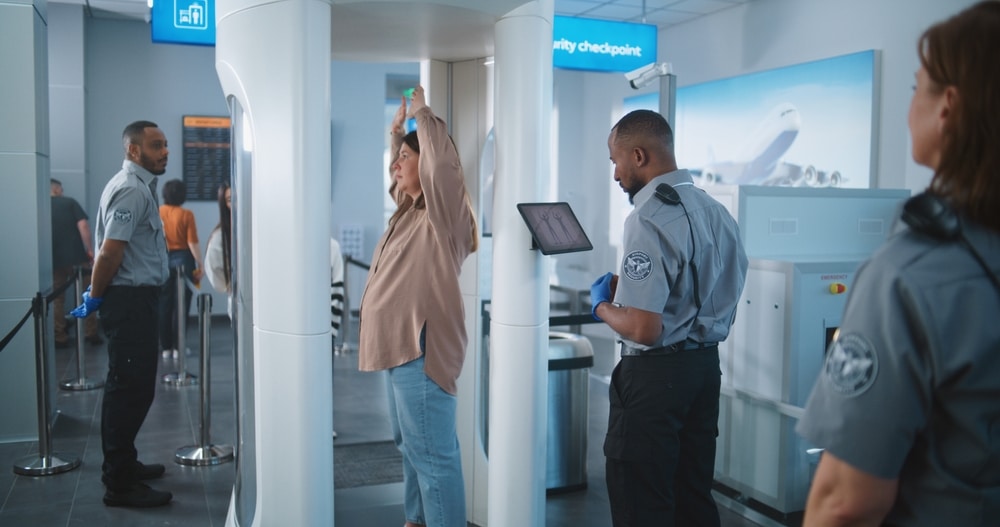
Will TSA and Customs Shut Down Completely?
Essential TSA agents, customs officers, and air traffic controllers continue working through the shutdown, but morale and staffing levels can still take a hit. Expect slower lines and processing times — not full closures.
What About Missed Connections?
If reduced government operations cause you to miss a connection, airlines aren’t legally required to offer compensation. You can still request rebooking or a refund for any unused portion of your ticket, and some airlines may provide hotel or meal vouchers as a courtesy.
Government shutdowns always bring turbulence for travelers. Longer wait times, slower refunds, and last-minute cancellations are frustrating — but being prepared makes a difference.
“Preparation is the best protection,” Greenburg says. “Know your rights, plan ahead, and keep your documentation. It’s the best way to stay in control during unpredictable times.”
Her 92-Year-Old Father Was Stranded Mid-Flight Connection — Now She’s Teaching Travelers Their Rights

When a 92-year-old veteran was stranded mid-journey, his daughter learned just how easily the system can break down, and how other travelers can protect themselves.
Military Members and Families Now Eligible for Free or Discounted TSA PreCheck

As millions travel for Veterans Day and the holidays, TSA is recognizing service members and their families through its Serve with Honor, Travel with Ease initiative, expanding free and discounted TSA PreCheck access across the military community.
Read more: Military Members and Families Now Eligible for Free or Discounted TSA PreCheck
This European Country Will Require Americans To Be Fingerprinted

Passport stamps are being replaced — here’s what Americans should expect.
Read more: This European Country Will Require Americans To Be Fingerprinted
Hurricane Melissa — Here’s What It Means for Travelers

Travel insurance experts explain what’s covered, what isn’t, and how to protect future trips.
Read more: Hurricane Melissa — Here’s What It Means for Travelers
The in-flight mistake that could now land you a surprise fine
Plane etiquette just got real, and breaking it could cost you.
Read more: The in-flight mistake that could now land you a surprise fine