
Middle East Airspace Closures Are Triggering 18x More Panic Calls to Travel Insurers — Here’s What’s Actually Covered
Flight rerouting through Dubai and Doha is stranding travelers worldwide, and insurers say they’re fielding an unprecedented surge in urgent calls.
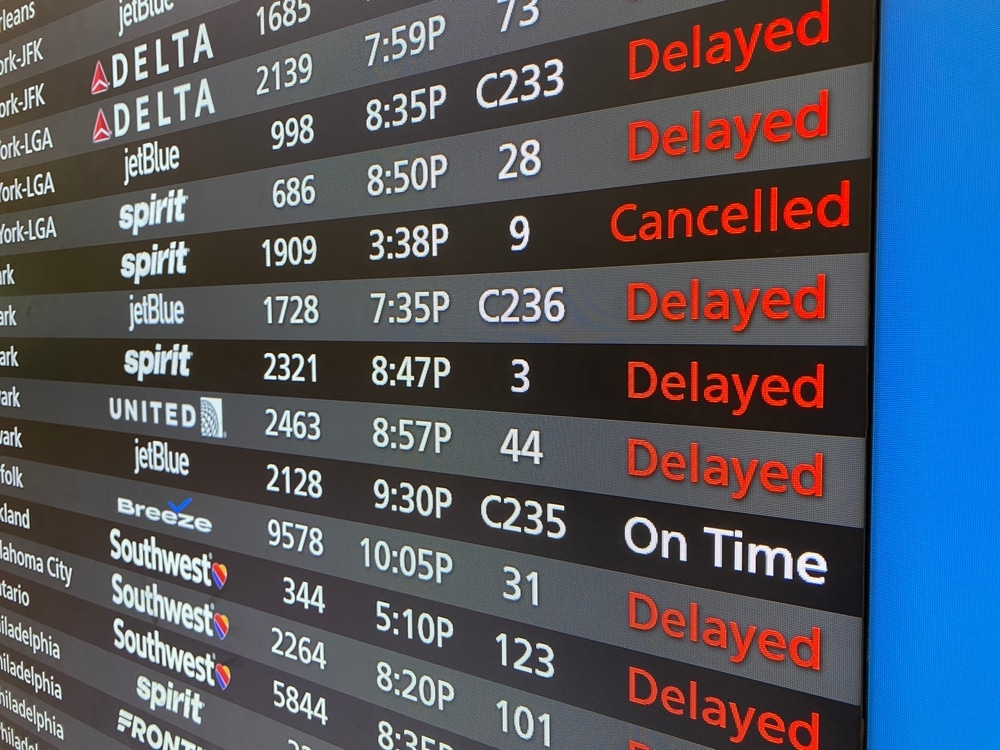
Tensions between the U.S. and Iran have led to airspace closures across parts of the Middle East, and the disruption is spreading far beyond the region. Flights connecting through Dubai and Doha, two of the busiest transit hubs in the world, are being rerouted, delayed, or canceled outright. And travelers who weren’t even headed to the Middle East are feeling the ripple effects.
Squaremouth, a major travel insurance comparison platform, says customer service calls related to UAE and Dubai travel have jumped 18x in the last week alone. One of the travelers they spoke with had been heading home from the Maldives when her Dubai layover was suddenly canceled, leaving her stuck mid-route and unsure whether her insurance would cover the unexpected expenses.
“People aren’t just worried about missing flights,” Squaremouth’s Senior Director of Operations, Chrissy Valdez, told me. “They’re trying to figure out which benefits apply when airlines reroute everything at once.”
Why travelers are confused right now
Most travel insurance policies have exclusions tied to acts of war, terrorism, or government-ordered airspace closures — but those exclusions apply specifically to trip cancellation and trip interruption. The part that’s tripping people up is everything that happens downstream: missed connections, overnight delays, rerouting, crew shortages, and unexpected overnight stays.
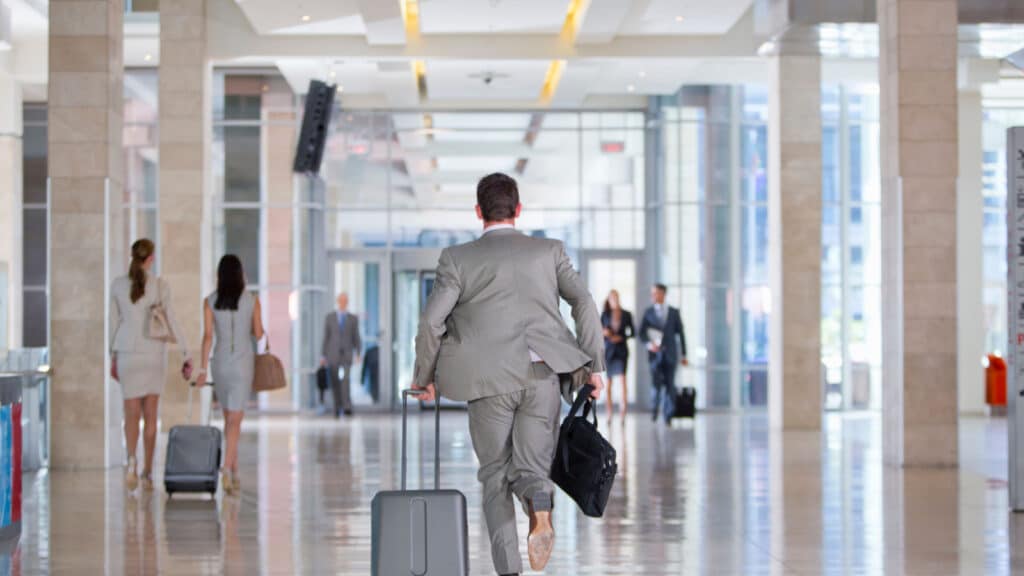
Those scenarios can fall under Travel Delay coverage, which is much more flexible. If an airline’s changes cause you to be stuck somewhere, delay benefits often cover meals and hotels, even when the root cause is a geopolitical crisis.
What’s typically covered
Travelers are suddenly asking very specific questions, so here’s the short version of what usually still applies:
- Medical coverage remains valid. Emergency medical and evacuation benefits aren’t impacted by airspace closures.
- Trip Delay may cover meals and hotels if the rerouting causes long delays.
- Cancel For Any Reason (CFAR) still works if you bought it before things escalated.
- Interruption For Any Reason (IFAR) may help if the situation deteriorates after your trip begins.
- Emergency assistance lines can help rebook flights if you’re stranded.
If you think you might need to file a claim later, keep every receipt and screenshot any conversations with your airline or insurer.
What isn’t covered
This is where most misunderstandings happen:
- Standard trip cancellation usually won’t apply if the reason for cancellation is tied to acts of war or airspace closures.
- Buying insurance after the event becomes widely reported means it’s considered a “known event,” and new policies may not cover related disruptions.
- If the airline or local authorities provide free lodging or meals, your insurer may reduce or deny reimbursement for the same expenses.
Your rights as a passenger
If your itinerary undergoes a major schedule change or cancellation, U.S. regulations still require the airline to issue a refund — even if the cause is outside their control.
Some regional governments, including the UAE and Qatar, have also stepped in to provide accommodations and meals for stranded travelers. If that help is available, insurers expect you to use it first.
A few practical steps
- Double-check your policy before calling your provider — especially the sections on war, terrorism, and airspace closures.
- If you’re already abroad, enroll in the Smart Traveler Enrollment Program (STEP) so the State Department can reach you in an emergency.
- Keep all documentation if you’re stranded or rerouted.
- And if you haven’t left yet and think your route could be affected, CFAR or IFAR add-ons offer the most flexibility.
If you want an extra layer of reassurance, you can compare policies at Squaremouth — they make it pretty straightforward to see which plans cover what. (They are personally the only travel insurance platform I use when purchasing travel insurance.)
If you’re sorting out your own coverage right now, you might also find my piece on how travel insurance actually works during a hurricane helpful — the rules are surprisingly similar to what we’re seeing here. And if your next trip has you navigating unfamiliar cities, my guide to what pickpockets really look like is another good one to save.
Pickpockets Don’t Look Like You Think — Here Are the Signs Locals Watch For

These are the subtle tells locals notice, and the simple habits that make you a harder target.
Read more: Pickpockets Don’t Look Like You Think — Here Are the Signs Locals Watch For
The World’s Worst Cities for Pickpockets and Scams, Ranked

A new study reveals where tourists are most likely to get targeted — and the results might surprise you.
Read more: The World’s Worst Cities for Pickpockets and Scams, Ranked
Forget the Fancy Neck Pillows — Here’s How Travelers Really Survive Long-Haul Flights
Seasoned travelers shared their go-to tricks for getting through those 10+ hour flights without wrecking their back, sleep, or sanity.
Read more: Forget the Fancy Neck Pillows — Here’s How Travelers Really Survive Long-Haul Flights
These Are the 11 Pairs of Underwear Women Swear By for Travel

Real women who live in brutally hot, humid places shared the underwear they trust for long flights, swampy city walks, and everything in between.
Read more: These Are the 11 Pairs of Underwear Women Swear By for Travel
Forget the Vacation Cocktails: How Alcohol-Free Trips Help You Sleep Better and Actually Remember Your Vacation

More travelers are skipping booze on vacation and finding they sleep better, feel calmer, and remember far more of the trip.