She’s 27 and feels pressured to get Botox — women older than her rushed in with a reality check
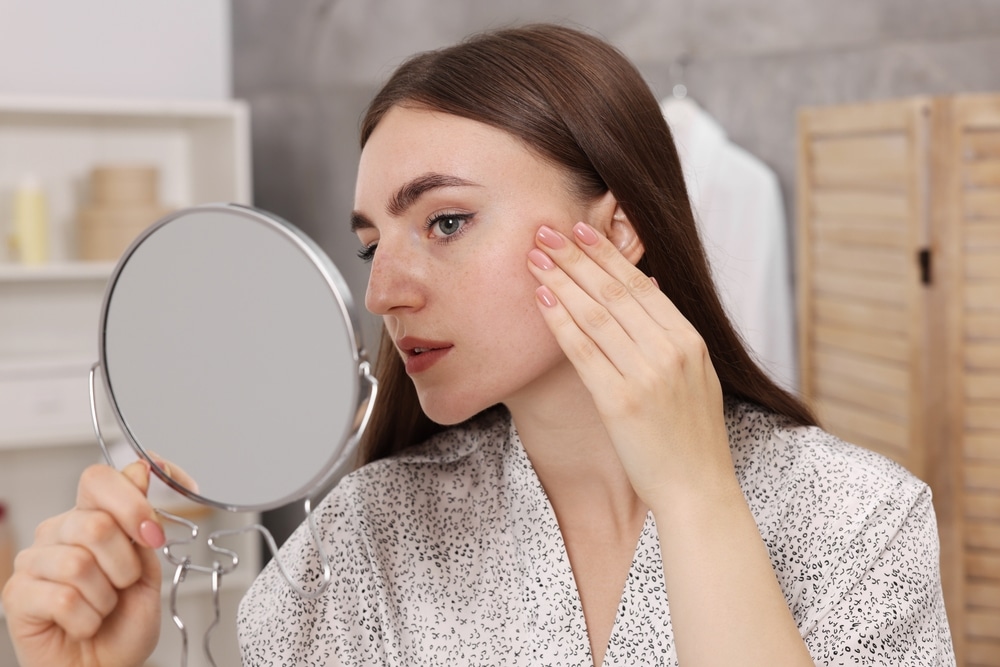
A 27-year-old woman recently posted a question that struck a nerve: she’s starting to see small wrinkles, and says she feels intense pressure to get cosmetic injections, even though she’s morally opposed to them.
In her post, she describes herself as “extremely against plastic surgery and injections” and says she feels those industries often prey on women’s insecurities and promote an unrealistic beauty standard. But she also admits something a lot of people think quietly and don’t always say out loud: life feels easier when you look more “conventionally attractive.”
She wrote that when she dresses up and wears makeup, strangers are more helpful, and she worries about how appearance might affect her career as she applies for higher-level roles. She also described how normalized injections have become in her orbit — to the point that a relative told her sister-in-law to get Botox in front of everyone at a family dinner.
Her question was simple: she wanted to hear from women who’ve chosen not to get cosmetic procedures, and how they’ve navigated aging, confidence, relationships, and professional success without “doing work.”
The responses came fast — and the overwhelming message was basically: please don’t let the internet convince you that you’re old at 27.
“You’re not supposed to look like a teenager anymore”
Many commenters, including women in their 30s, 40s, 50s, and beyond, pushed back on the idea that 27 is a “fix it” age. One of the top replies said bluntly: “You’re 27. You’re not supposed to look like a teenager anymore. Aging is a privilege.”
That “aging is a privilege” line showed up again and again — not in a cliché way, but as a genuine reframe. Several people said they actually like their faces more as they age, or they’ve come to appreciate what their appearance reflects about their life.
One commenter in her 40s wrote that she worried she’d hate wrinkles, and then was surprised to find she didn’t. She said she likes the character in her face now and feels grateful she’s had the chance to live long enough to change.
Another commenter in her late 60s described herself as a “what you see is what you get” kind of person, saying she’s never had cosmetic work done or even dyed her hair, and that she’d rather people focus on her skills than her appearance.
A recurring theme: social media is warping the timeline
A big chunk of the discussion landed on what many people see as the real accelerant here: constant exposure to curated faces online.
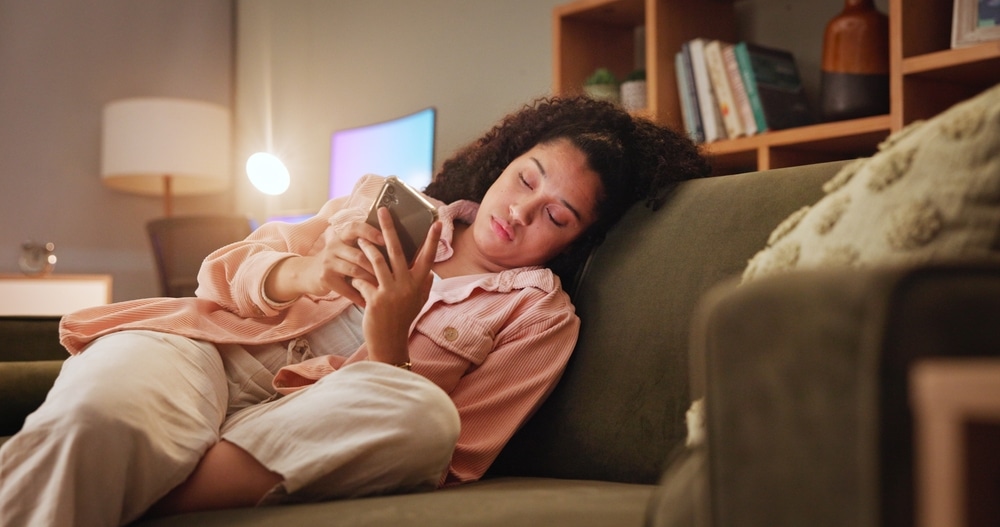
One woman in her late 30s said she’s only recently started noticing small changes, and thinks she’s more aware of them because she spends too much time online. Another commenter pointed to influencers and celebrities making injections feel like routine maintenance rather than a major decision.
In other words: it’s not that everyone in real life is doing it — it’s that you’re seeing a steady stream of faces that have been filtered, tweaked, injected, lit perfectly, and edited again.
A teacher chimed in to say teenagers still look like teenagers in real life. Others agreed: the “everyone is getting work done” feeling can be more of an online illusion than a true reflection of what’s happening around you.
“Power” came up a lot — especially at work
The original post raised a specific fear: Will looking older hurt my career?
Some commenters validated that appearance bias exists (because… it does), but argued that “looking older” isn’t automatically a liability — especially not in many professional environments.

A professor in her late 40s said she’s never had work done and believes there’s a secret people don’t talk about: as women age, they can actually gain power — not lose it. She framed cosmetic pressure as a “game” designed to keep women anxious, distracted, and spending money to stay competitive.
Another commenter in a STEM field said something similar: yes, beauty standards can affect how people treat you, but professional credibility also grows with experience — and looking like an adult who belongs in the room can help.
A few people even said that when they looked too young earlier in their careers, it was harder to be taken seriously, and aging naturally actually helped them feel (and be perceived as) more authoritative.

People offered alternatives — and they weren’t extreme
Not everyone made it an all-or-nothing moral argument. The most common practical advice looked like this:
- daily sunscreen
- good moisturizer
- retinoids (if tolerated)
- hydration
- sleep
- exercise/movement
- staying away from smoking (and sometimes cutting back on alcohol)
One commenter summed it up as “the best anti-aging regimen is sunscreen and sleep.” Another wrote, “Stay hydrated with actual water. Find a good moisturizer and retinol. You’ll be fine.” Things like LED masks and even certain pillows can help with wrinkles in a less invasive way.
In other words: commenters weren’t insisting you should “never care” about your appearance. They were saying there’s a massive middle ground between ignoring your skin and injecting your face at 27.
A few people did make one nuanced point
A handful of replies pushed back gently on the idea that procedures can’t align with feminism. Their argument wasn’t “go get Botox,” but more like: don’t shame women who do choose it — the bigger problem is the pressure to feel like it’s required.
And that’s where the thread got interesting: a lot of people weren’t attacking procedures as much as they were attacking the fear that women are being taught to have about normal aging.
One older commenter put it in especially raw terms while talking about the industry messaging. She wrote: “the whole idea of these entire predatory industries built around ‘Your face isn’t good enough the way it is’ just really [makes me angry].”
Another commenter said a version of: if someone wants to do something for self-expression, that’s one thing — but doing it because you’re scared of becoming less valued is a different story.
The bottom line
The thread wasn’t “anti-anything” as much as it was pro-reality: 27 is young, aging is normal, and there are a lot of women living full lives, professionally and personally, without treating wrinkles like an emergency.
What the comments gave the original poster (and a lot of readers) was permission to step back from the panic and remember that looking like an adult isn’t failure. It’s just… being alive long enough to change.
If you enjoyed this story you may also like the ones below…
He Asked His Wife to Wear Contacts to a Work Party — and She’s Still Upset Weeks Later
A Reddit user is facing serious backlash after asking his wife to swap her glasses for contact lenses before attending his company’s holiday party. What he framed as a “gentle” request quickly turned into a full-blown internet reckoning about autonomy, attraction, and why glasses are not, in fact, a fashion failure.
Read more: He Asked His Wife to Wear Contacts to a Work Party — and She’s Still Upset Weeks Later
A Woman Asked Facebook How to Get More Attention — and the Responses Went Fully Off the Rails

Need a laugh? A single post led to one of the funniest comment threads you’ll read all week.
Read more: A Woman Asked Facebook How to Get More Attention — and the Responses Went Fully Off the Rails
They expected a fun white elephant gift. What they opened changed the mood fast.
A holiday white elephant exchange is supposed to be a little ridiculous and mildly competitive in the “I will absolutely steal that candle warmer” kind of way. But one person walked into a $25 gift swap expecting the usual mix of fun and useful… and walked out very disappointed.
Read more: They expected a fun white elephant gift. What they opened changed the mood fast.