
‘You Do What?’ People Around the World Share Everyday Habits That Would Shock Most Americans
Every country has its own version of “totally normal” that makes outsiders’ jaws drop.
On Reddit, one user posed the question: “What’s something that you do in your country that would confuse or shock most Americans?” The replies turned into a crash course in how different life can look once you leave the U.S., from babies napping outside in the snow to criminal punishments that sound like something out of a dystopian movie.
Here are some of the most eye-opening replies.
Letting Babies Nap Outside in Freezing Temperatures
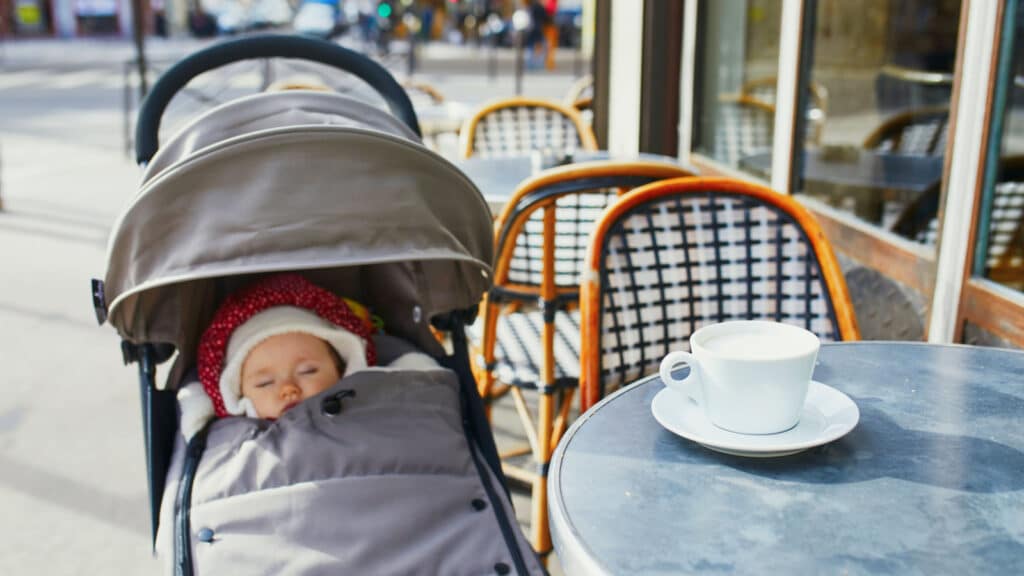
One of the most upvoted answers came from a parent in Finland, where letting babies sleep outdoors in winter is totally normal.
“Having your baby sleep outside in a pram in winter is totally normal.”
For many Americans, the idea of a bundled-up baby snoozing in subzero temps sounds like child endangerment. But commenters explained that, in the Nordics, it’s seen as healthy: babies are dressed warmly, tucked into their prams, and placed somewhere safe where parents can keep an eye on them.
Others chimed in with similar experiences from snowy regions, including a northern Canadian who said being pulled behind a snowmobile in -20 degrees was the “king nap of all naps.” The logic: fresh cold air + cozy layers = knockout sleep.
A Punishment So Gross It Stopped Bar Fights
Then there was the comment that made half the thread go silent.
One person who grew up in the former USSR countries described a punishment known as “mucking” — basically, being sat in the corner of a hog barn, cuffed, covered in hog manure, and left there for hours as punishment for certain crimes.
Their father, who’d gotten into a drunken bar fight that seriously hurt someone, agreed to an eight-hour “mucking” instead of going to prison or ending up with a criminal record.
He tried to act tough about it, but the night before, it was the first time his child ever saw him cry. Afterward, he described it as the longest eight hours of his life, physically miserable and mentally brutal. According to his kid, he never got into another bar fight again.
Americans talk about “tough on crime” policies all the time, but this is on a completely different level.

Eating Raw Pork Skin at Christmas
Some of the biggest culture shocks came from food.
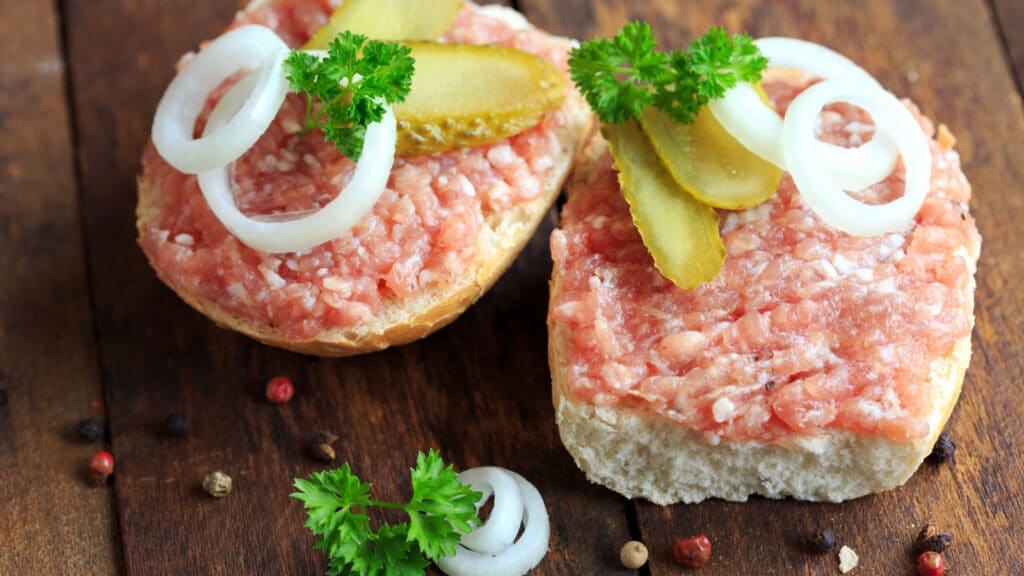
One commenter from Romania/Moldova casually mentioned that around Christmas, eating raw pork skin is a beloved traditional dish.
Another added that they also eat raw ground pork and beef in their country, something that would horrify most U.S. doctors and food safety experts.
When someone asked how you even chew through pork skin, the original commenter explained that there are softer parts of the pig, and people pour boiled water over the skin to soften it and scrape off hair and dirt before eating. It’s called “sorici,” and many people absolutely love it.
To Americans raised on “cook your pork all the way through or else,” this sounds like a one-way ticket to the ER. Elsewhere, it’s just Christmas.
Going Out at 2 A.M. — Not Coming Home
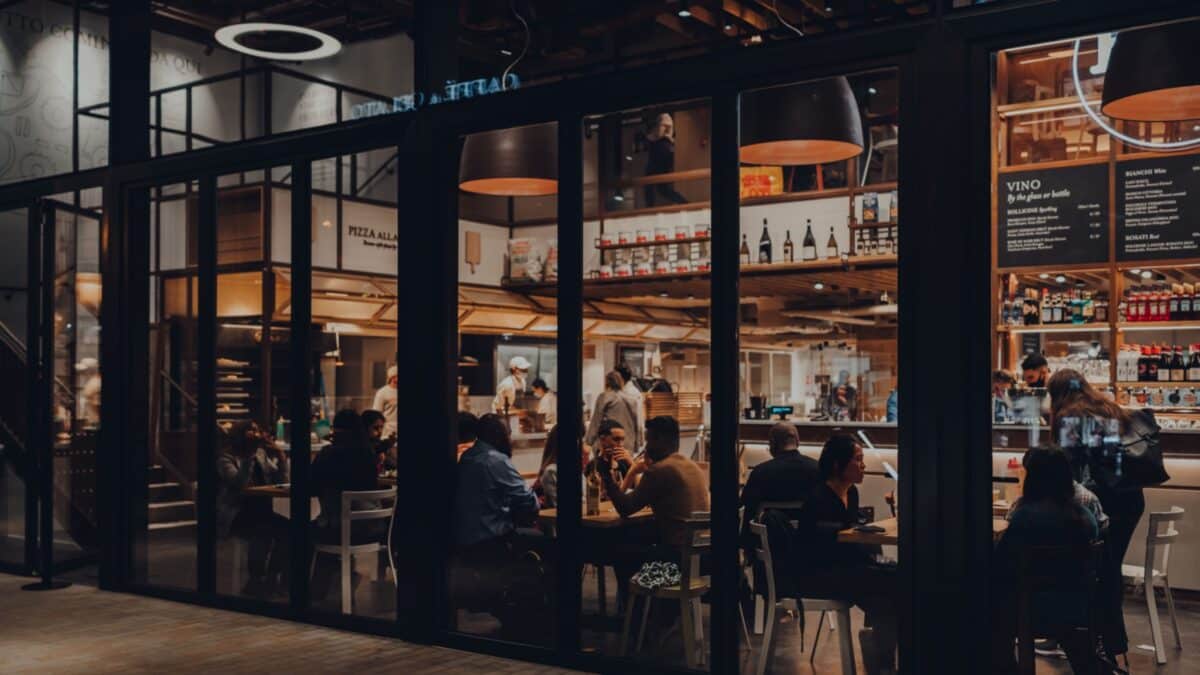
If you think your nights out run late, someone from Chile would like to have a word.
One commenter said that on their first weekend in Chile, they and their friends headed home from the bar around 2 a.m., just as everyone else was arriving. Another replied that in Uruguay, people start going out around 3:30 a.m.
For a lot of Americans, “last call” hits before midnight, and being in bed by 11 sounds ideal. In parts of South America, you’re barely getting started.
Actually Voting… Almost Everyone
Plenty of Americans skip voting entirely. In some countries, that’s almost unthinkable.
One user casually mentioned that 90–95% of people vote where they live. Another chimed in to explain that in some places, participating in democracy is treated a bit like jury duty, a responsibility, not a suggestion.
You don’t just complain about the government; you actually show up.
Treating Nudity and Violence Very Differently
Another European commenter summed up one of the starkest cultural differences:
When age-restricting media, nudity and sex are fine for kids, and violence and gore are not.
In a lot of European countries, non-violent nudity isn’t considered nearly as scandalous as graphic violence, especially for older kids and teens. Americans, on the other hand, live in a world where heads exploding on TV is somehow more acceptable than a bare chest.
Another user pointed out the absurdity of U.S. TV censors, citing a scene where two naked corpses in a show had their butt cracks literally covered with extra gore so it would pass.
If you grew up in the U.S., it’s a pretty wild reminder that what’s “inappropriate” for kids is heavily culture-dependent.

Paying to Use Public Bathrooms
One American said their European friend was shocked they don’t pay to use public bathrooms. In parts of Europe, this is just… normal.
In cities like Budapest, commenters described attendants (often older women) sitting outside the restroom entrance with a basket to collect coins before you go in. One guy said he skipped paying because no one was at the door, only to get tapped on the shoulder mid-pee by the attendant who had appeared and wanted her coin.
Not every bathroom charges, and the small fee (often the equivalent of a few cents) helps keep facilities clean and deters people from using them for… let’s say “non-bathroom activities.” For Americans used to free (and often disgusting) gas-station bathrooms, this system is almost unimaginable.
Eating Before You Pay at Street Stalls
Meanwhile, in parts of Mexico, trust works in the opposite direction.
One commenter explained that at many food stands and taco trucks, you order, eat, and then pay, not in a sit-down restaurant with a tab, but at simple street stalls where you’d expect quick cash transactions.
It’s all based on trust. You eat your tacos or hot dogs, then settle the bill at the end. For Americans used to being handed a number and paying up front, this feels almost impossibly wholesome.

Calling an Ambulance Without Panicking About the Bill
A subtle but gut-punch answer: in some countries, if you have a medical emergency, you call an ambulance… full stop.
One commenter from abroad said that when they go to the hospital, they don’t talk about money, and they don’t pay a cent at the point of care. Another Canadian chimed in that people there mostly complain about parking costs, not the actual treatment.
Americans in the thread admitted they sometimes avoid calling an ambulance (even in serious situations) because the bill can still be over $1,000 with insurance. Instead, people will drive themselves, have a loved one take them, or even call an Uber.
For a lot of the world, that’s the truly shocking part.

Working to Live, Not Living to Work
One commenter from the Netherlands said they work about 30 hours a week, while their partner works 25, and they’re “very well off” and enjoy plenty of time for family and personal life.
They contrasted this with the American grind of 60-hour workweeks, multiple jobs, and constant job insecurity. Another commenter jokingly replied, “Do you even care about shareholders?” which… kind of says it all.
In a lot of countries, the idea that your entire identity revolves around work is seen as unhealthy, not admirable.

Using the Metric System Like the Rest of the Planet
Of course, someone had to bring up the classic:
“We use the metric system.”
People from around the world chimed in with variations of “What kind of backward country doesn’t?” Meanwhile, even Americans in the thread admitted it drives them nuts that the U.S. insists on clinging to miles, feet, and Fahrenheit when the rest of the planet has agreed on something easier and more logical.
One commenter joked that their car “gets forty rods to the hogshead,” and that’s the way they like it – which is a perfect metaphor for how stubborn the U.S. is about this.
Washing Instead of Wiping
Finally, a commenter from Asia pointed out that washing your butt after using the toilet, with a bidet or handheld sprayer, is standard in much of the world.
Someone who’d worked for a Korean company said having bidets in every stall “changed the way I poop forever,” and another person said they now install a handheld bidet in every place they live and never worry about feeling unclean.
In the U.S., bidets are slowly catching on, but for many Americans, it’s still an exotic luxury, not an everyday basic.
The Real Culture Shock
If there’s one takeaway from this thread, it’s that what Americans consider “normal” is often the outlier.
If you’re fascinated by the way everyday life in Europe can feel totally upside down to Americans, you’ll probably enjoy diving into more examples of “normal” European habits that look bizarre from the U.S. side. And if you’ve ever worried that you scream “tourist” the second you land, there are also plenty of little behaviors that instantly give away that you’re American, even before you open your mouth.
Americans Asked What’s “Normal” in Europe but Weird in the U.S. — These Answers Hit a Nerve

People compared everyday habits on both sides of the Atlantic — and some differences surprised even seasoned travelers.
Read more: Americans Asked What’s “Normal” in Europe but Weird in the U.S. — These Answers Hit a Nerve
12 Foods Europeans Eat Regularly That Are Really Weird to Americans
From unique meats and seafood to fruits you’ve never heard of, there is a whole world of cuisine available in Europe that you’d be hard-pressed to find in the United States. According to an online forum, this list of popular European foods are nearly impossible to find in America.
Read more: 12 Foods Europeans Eat Regularly That Are Really Weird to Americans
10 Things You Do That Instantly Give Away That You’re American

Here are a few tell-tale behaviors according to message board users that might give you away as an American—see if any sound familiar!
Read more: 10 Things You Do That Instantly Give Away That You’re American
11 Things Europeans Do That Americans Find Really Weird

Every country has different cultures and traditions. One thing that is normal in one country might be weird in another. On an online platform, Americans shared what they find weird in Europeans.
Read more: 11 Things Europeans Do That Americans Find Really Weird
12 Most Annoying Misconceptions About the U.S. That Americans Say Foreigners Need to Drop ASAP
On an online platform, Americans share the most annoying misconceptions foreigners have about the U.S.
Read more: The 12 Most Annoying Misconceptions About the U.S. That Americ