New Study Reveals the Best and Worst Clothing Brands for Sizing — and Where a ‘Size 10’ Runs Seriously Small
New data shows just how wildly a ‘size 10’ changes from brand to brand, and why those shifting numbers can do a number on your confidence.
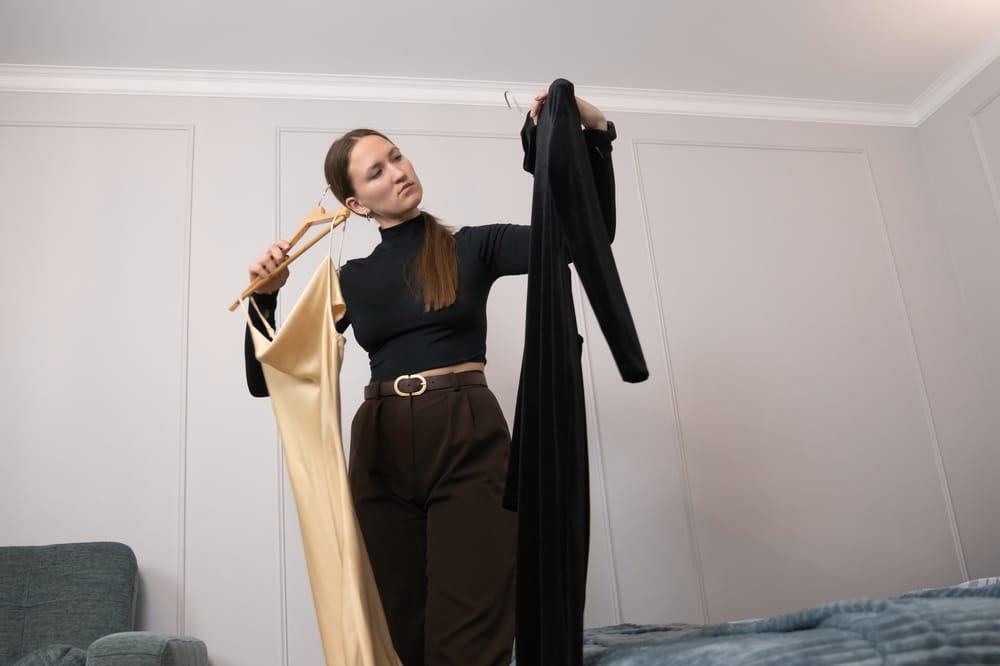
If you’ve ever bought three versions of the “same” size from different brands and had one barely zip while another hangs off your hips, you’re not imagining things. A new analysis from online doctor service ZAVA dug into the actual bust, waist, and hip measurements behind popular fashion brands — and the differences are huge.
The data shows which brands offer the broadest range of body measurements and how dramatically a US size 10 can change from one label to another.
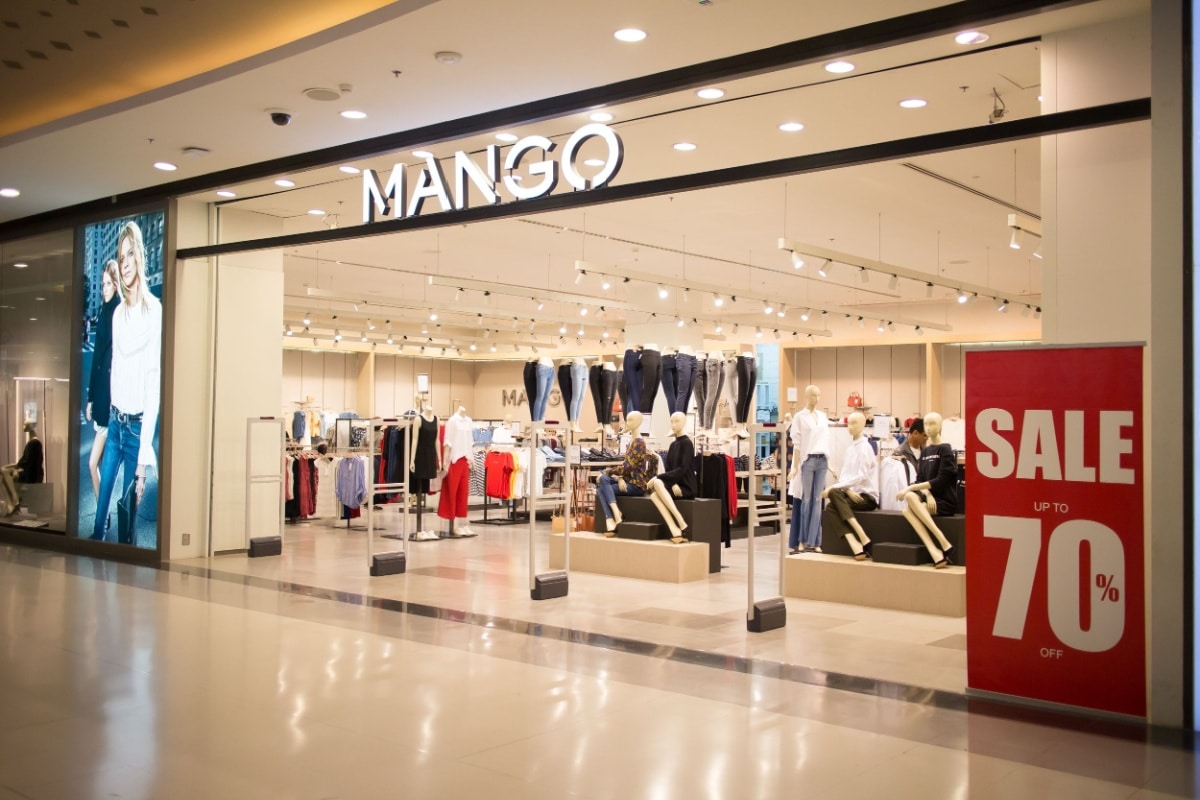
Mango tops the list for the most extensive size ranges
ZAVA compared the minimum and maximum bust, waist, and hip measurements each brand covers, then looked at how consistent the jumps are between sizes. Mango landed in first place, scoring 9.26/10 for overall range.
According to the analysis, Mango’s size charts span roughly:
- Bust: 30.7 to 55.1 inches
- Hips: 33.9 to 58.3 inches
- Waist: 23.2 to 49.6 inches
That’s a 25.1-inch total range across its sizing, with relatively steady “steps” between sizes (about 2.5 inches on average). In plain English: Mango covers a wide variety of body shapes and does it in a way that isn’t wildly erratic from one size to the next.
Other brands with comparatively broad measurement ranges include:
- Fashion Nova – Wide spread across bust, hips, and waist, with a 19.8-inch overall range and an average 2.8-inch step between sizes.
- Burberry – A bit more compact overall, but still strong enough to land near the top with an 8.76/10 score.
- Timberland and Superdry – Both offer decent measurement spreads, especially in bust and hips, with scores above 8/10.
This doesn’t automatically mean every piece will feel perfect, but if you’re tired of ultra-narrow charts, these brands at least give you more room to land on a comfortable fit.
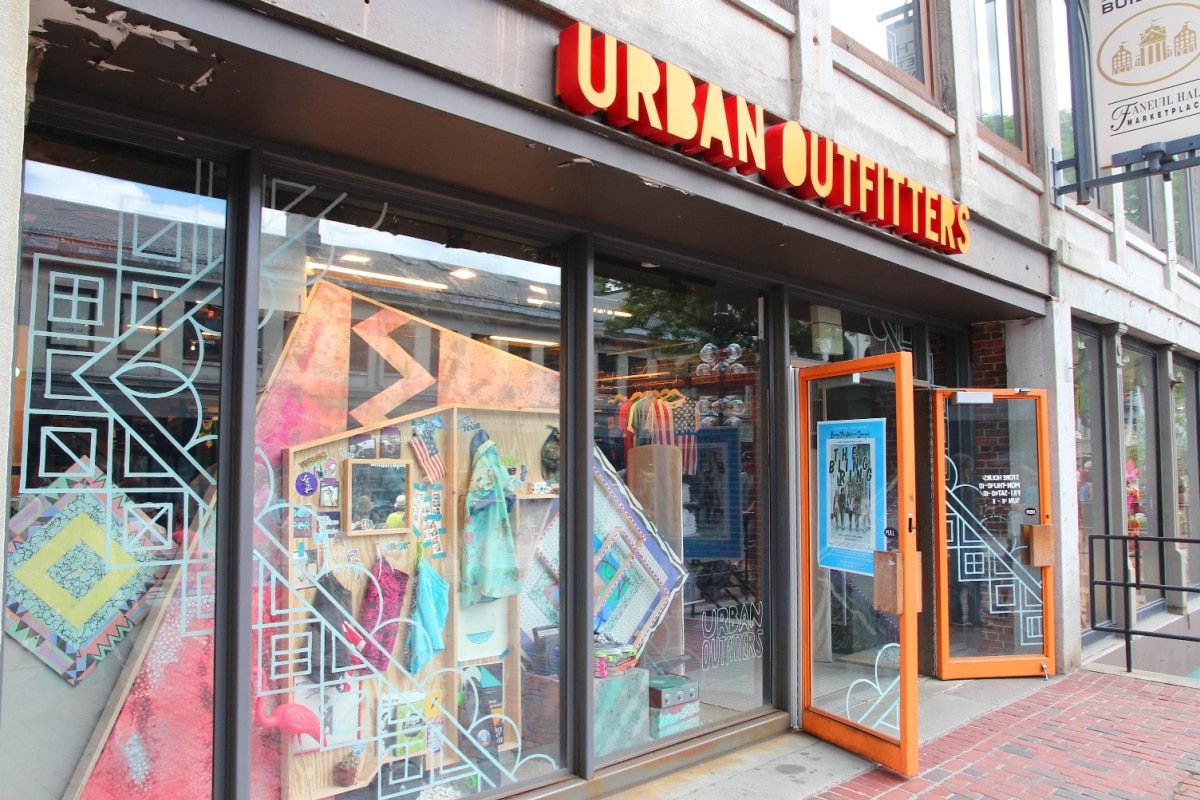
Primark and Urban Outfitters rank among the least flexible
On the other end of the spectrum, ZAVA flagged several brands with much tighter measurement spreads — meaning fewer body types are realistically being catered to.
Primark comes in last overall, with a score of just 2.68/10. Their listed measurements sit roughly at:
- Bust: 34.3 to 40.2 inches
- Hips: 37.0 to 42.9 inches
- Waist: 27.6 to 33.5 inches
That’s only about 5.9 inches of range across sizes, paired with fairly small jumps between them. In practice, that gives shoppers far less wiggle room to find something that fits comfortably.
Right behind Primark is Urban Outfitters, with:
- A more limited spread across bust, waist, and hips
- A smaller overall range (about 8.9 inches)
- The tightest average step of the bunch (around 1.3 inches)
ZARA, All Saints, and H&M also land on the more restricted side, with narrower ranges than brands like Mango or Fashion Nova. The bottom line: if you don’t happen to match their specific fit model, you’ll likely have a tougher time finding clothes that feel good right off the rack.
A US size 10 is not one universal size
The numbers get even more telling when you zoom in on a single size. ZAVA looked specifically at a US size 10 across brands, and the measurements are all over the place.
Here’s how a size 10 compares:
- Mango size 10:
- Bust: 40.9 inches
- Hips: 44.1 inches
- Waist: 33.5 inches
- Burberry size 10:
- Bust: 39.4 inches
- Hips: 42.5 inches
- Waist: 33.1 inches
- H&M size 10:
- Bust: 37.8 inches
- Hips: 40.9 inches
- Waist: 31.5 inches
- Urban Outfitters size 10:
- Bust: 36.9 inches
- Hips: 38.7 inches
- Waist: 29.4 inches
Brands like Mango are on the more generous end, especially in the bust and hips. Meanwhile, Urban Outfitters’ size 10 is several inches smaller in every area. That’s the difference between something fitting comfortably and something that feels like it shrank in the wash, even though the label says the same number.
As ZAVA points out, in certain stores a “size 10” can feel closer to a 6 or 8, which is why so many people end up blaming their bodies instead of the inconsistent charts.

How inconsistent sizing messes with our heads
This isn’t just annoying for your closet; it can mess with your mental health, too.
“Fashion sizes measurably affect our mental health, self-confidence, and even weight loss behavior,” says Dr. Crystal Wyllie, doctor at ZAVA. “Studies have shown that larger sizes, regardless of actual measurements, can reduce self-confidence, and inconsistent sizing can equally lead to negative self-perception. For example, if someone has lost weight but doesn’t fit into a smaller size in a particular garment.”
In a ZAVA survey, over 50% of people said they were motivated to lose weight because they couldn’t fit into their old clothes. When sizes jump around between brands, that can become a constant source of frustration instead of a useful benchmark.
The impact is especially heavy on women. According to Dr. Wyllie:
- 73% of women have avoided wearing certain types of clothes because of their weight
- For men, that number is lower but still high at 52%
Other fashion-related triggers include:
- Seeing themselves in photos (49.7% felt motivated by this)
- Getting ready for vacations (33.1%)
- Weddings (18.1%), whether they’re the bride, groom, or a guest, especially when outfits require pricey alterations
“In an age where body ideals are changing rapidly, where there is increased pressure on body image due to social media, and much more inconsistency in sizes across brands, the impact of fashion sizes on weight loss behavior has grown massively,” Wyllie explains. “Particularly, the unpredictability of sizes when buying online has added to this.”
Her main point: those numbers on the tag are not a moral scorecard.
“It is therefore crucial that fashion sizes are not seen as an objective measurement of beauty, health or indeed body weight, and that sustainable habits should be adopted for weight loss, based on positive motivations such as energy and physical health, rather than shame.”
What this means next time you’re in the fitting room
The takeaway from all of this isn’t that you need to memorize every brand’s size chart. It’s that the label is not gospel.
A few things to keep in mind when you’re shopping:
- Expect your size to jump between brands — sometimes by more than one size.
- If something doesn’t fit, that’s a design and measurement issue, not a personal failure.
- Use the number as a starting point, not a verdict. Grab multiple sizes if you can.
Mango may be one of the standouts for a wider range and more generous size 10, while brands like Primark and Urban Outfitters offer less flexibility. But no brand gets to define your worth. The clothing is supposed to fit you — not the other way around.
If you’re rethinking your wardrobe after dealing with inconsistent sizing, it can help to focus on pieces that are comfortable, versatile, and actually work for real life, not just the size chart. I’ve rounded up some of my favorite travel clothes for women in 2026, from stretchy trousers and easy dresses to layers that hold up on long-haul flights, if you’re looking for a more forgiving, mix-and-match closet.
And if you prefer to compare lots of different brands and fits side by side, I’ve also put together a guide to the best online shopping sites for women’s clothing and accessories. It’s a solid starting point if you want more options and more chances to find clothes that fit your body, not some outdated idea of what a “size 10” should look like.