
The 10 Safest U.S. States for Solo Travelers, According to a New Study
A new analysis of crime, road safety, emergency access, and transport infrastructure reveals where solo travelers can feel most secure.

Solo travel is having a moment. But traveling alone also comes with a very real question: How safe is it, really, to hit the road by yourself?
A new nationwide study from Silver Law Firm set out to answer that. Using 2023 data from sources including the FBI’s Uniform Crime Reporting system, the Insurance Institute for Highway Safety, the Bureau of Transportation Statistics, the Kaiser Family Foundation, and other official datasets, researchers built a “Solo Safety Score” for each state based on crime, road safety, emergency access, and transport infrastructure. Each state is graded on a 0–100 scale, where higher scores indicate safer conditions for solo travelers based on crime, road safety, emergency access, and transport infrastructure.
“Solo travelers face unique vulnerabilities that groups don’t,” notes Elliot Silver, attorney at Silver Law Firm. When you’re on your own, there’s no built-in backup if your car breaks down, you have a medical issue, or you run into legal trouble. Choosing a state with stronger infrastructure and better safety indicators can tip the odds in your favor.
Here’s how the safest states stack up.
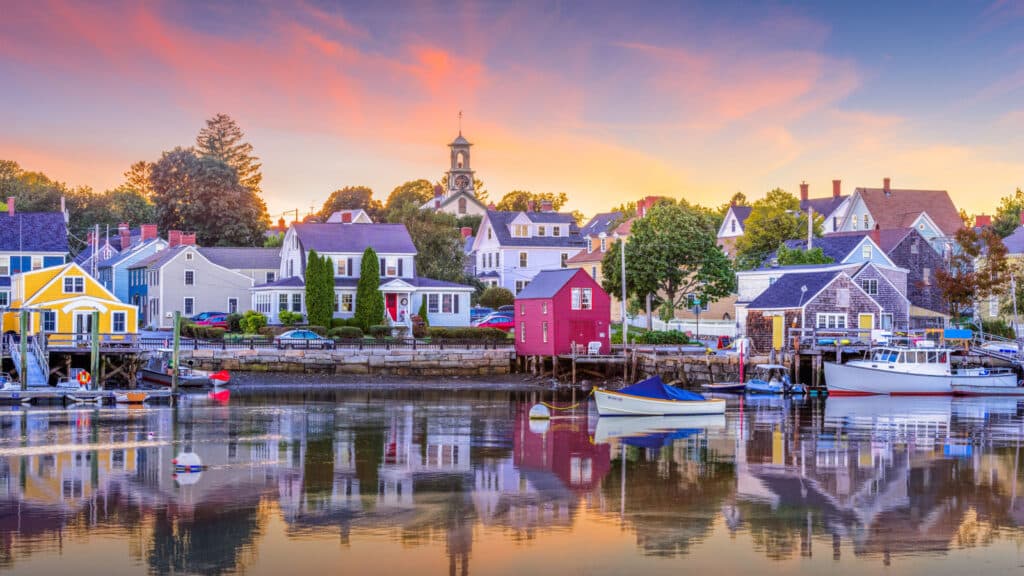
10. New Hampshire – Quiet Roads, Low Crime
New Hampshire rounds out the top 10 with a Solo Safety Score of 82.72, anchored by one of the highest crime safety scores in the country (98.64). That means violent and property crime rates are low compared with much of the U.S., which is reassuring if you’re walking back to your hotel alone after dinner in Hanover or Portsmouth.
Road and transport scores are solid rather than spectacular, and emergency access lags a bit behind more densely populated states. For solo travelers, that translates to a generally calm, low-risk environment—but in rural and mountain areas, it’s still smart to plan ahead for long drives, winter conditions, and limited services.

9. Connecticut – Strong Safety in a Compact State
With a Solo Safety Score of 86.17, Connecticut offers a balanced safety profile: relatively low crime (87.02), decent road safety (85.83), and respectable transport infrastructure. The state is small and well-connected, which makes it harder to get truly “stranded” compared to more remote destinations.
If you’re traveling solo through cities like Hartford or New Haven, you benefit from a dense network of roads, hospitals, and services within a short drive. It’s still important to use normal urban common sense—stay in well-lit areas, keep valuables out of sight—but statistically, Connecticut is one of the safer bets for solo travel on the East Coast.

8. Wisconsin – Steady Roads and Reliable Infrastructure
Wisconsin scores 86.97 overall, with especially strong marks for crime safety (85.30) and transport infrastructure (64.35). That combination is good news for solo road-trippers crisscrossing between cities like Milwaukee, Madison, Green Bay, and smaller lake towns.
Emergency access and health care availability are adequate, though more rural stretches may mean longer drives between hospitals or urgent care centers. If you’re adventuring solo in the Northwoods or along the shores of Lake Superior, this is the state where you can comfortably lean into scenic drives—just fuel up, share your route, and keep an eye on the weather. (Personally, recommend driving the Door Peninsula if you come here!)
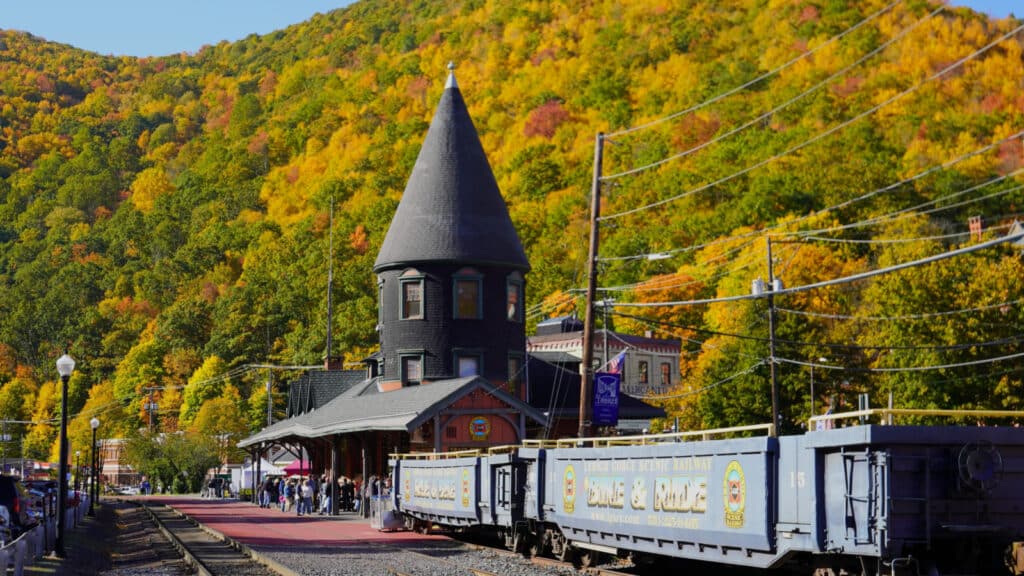
7. Pennsylvania – Big Cities, Strong Safety Net
Pennsylvania lands at 91.25, with a crime safety score of 81.18 and a solid mix of infrastructure and emergency access. That’s important in a state that includes both major cities like Philadelphia and Pittsburgh and long stretches of rural highway.
For solo travelers, Pennsylvania offers a robust network of hospitals, airports, and law enforcement coverage, especially around metro areas. If your trip involves long drives through the countryside, the state’s relatively good road safety and infrastructure scores mean you’re not as exposed as you might be in more sparsely populated parts of the country.

6. Minnesota – High Marks for Roads and Reliability
Minnesota earns a Solo Safety Score of 92.32, driven by strong crime safety (79.67), excellent road safety (91.95), and a standout transport infrastructure score (69.23). In plain English: the roads are comparatively safer, the overall crime picture is better than average, and the state is well-connected.
This is reassuring if you’re flying into Minneapolis–St. Paul and then driving solo to smaller towns or lakeside cabins. Winters are still winters (no data can erase the reality of snow and ice) but in terms of systemic safety and support, Minnesota performs very well for solo travelers.
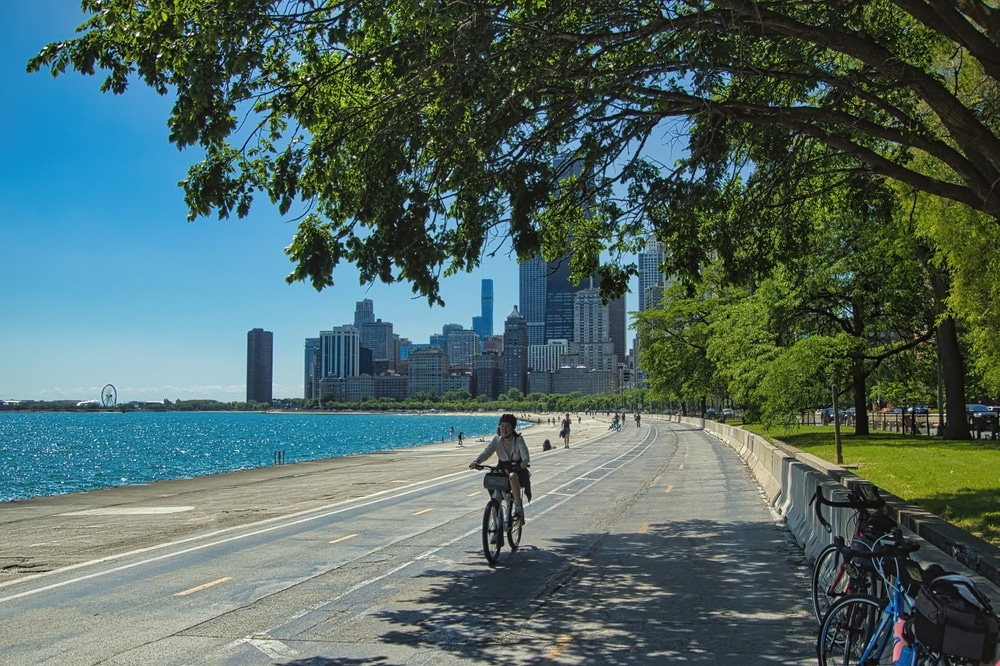
5. Illinois – High Infrastructure, Solid Safety
Illinois ranks fifth with a Solo Safety Score of 93.96. While Chicago often dominates the conversation, the state as a whole scores well for crime safety (77.08), and shines in transport infrastructure (65.52) and emergency access (48.89).
That means you’ve got strong hospital coverage, a wide road network, and plenty of airports and transit options—key advantages when you’re traveling alone and need backup plans. Common-sense precautions are still important in larger cities, but the numbers indicate that Illinois supports solo travelers with a well-developed safety net.

4. New York – More Than Just a Big City
New York comes in at 95.10, driven by a stellar road safety score (96.51) and robust transport infrastructure (64.17). Despite its reputation for hustle and bustle, the state’s overall crime safety score (72.16) is stronger than many people might expect.
For solo travelers, that means the big-picture systems, roads, emergency services, airports, and train networks are working in your favor. Whether you’re in New York City, exploring the Hudson Valley, or heading up to the Adirondacks, you’re in a state where the underlying infrastructure is designed to keep people moving and, ideally, safer.
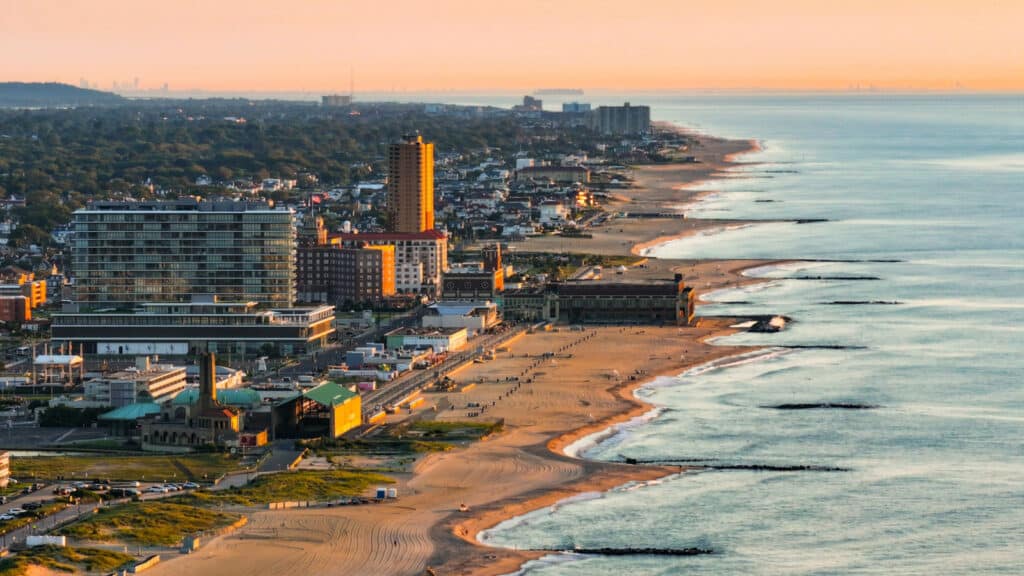
3. New Jersey – Highways, Hospitals, and High Scores
New Jersey claims third place with a Solo Safety Score of 96.64. Its road safety score of 93.62 is among the best in the nation, reflecting lower traffic fatality rates and generally safer highways. Crime safety (84.16) and emergency access (45.88) also contribute to a strong overall profile.
If your solo trip involves driving along the Jersey Shore, exploring small coastal towns, or hopping between urban hubs, you benefit from a dense road network and comparatively good access to hospitals and first responders. The state’s numbers suggest that if something does go sideways, you’re more likely to get help quickly.

2. Rhode Island – Tiny State, Big Safety Score
Rhode Island takes second place with a Solo Safety Score of 97.18, and it actually tops the list for crime safety with a score of 92.43. For solo travelers, that means this small coastal state is statistically one of the safest places in the country in terms of violent and property crime.
The road safety score (88.85) is strong as well, and the state’s compact size is a huge practical advantage. You’re rarely far from services, towns, or help if your car breaks down or you need assistance. For first-time solo travelers who don’t want to be alone in the middle of nowhere, Rhode Island offers a manageable, low-stress option.

1. Massachusetts – The Safest State for Solo Travelers
Massachusetts takes the crown as the safest U.S. state for solo travelers, with a perfect Solo Safety Score of 100.00. Its road safety score of 99.02 is the highest in the nation, signaling relatively low traffic fatalities and well-maintained roads. Crime safety is also strong at 85.74, giving solo visitors added peace of mind.
In practice, this means exploring Boston’s historic neighborhoods, college towns like Cambridge, or coastal destinations such as Cape Cod comes with an extra layer of statistical safety. The state’s dense population, extensive road network, and reliable cell coverage also reduce the odds of being truly isolated if something goes wrong. For solo travelers who want to balance adventure with a strong safety net, Massachusetts is as good as it gets right now.
If you’re also curious about which popular U.S. vacation spots come with higher risks, I’ve broken down the most dangerous tourist hotspots for travelers in a separate piece.
These U.S. Tourist Hotspots Are Also the Most Dangerous, New Study Says

A new report uncovers the U.S. destinations where bustling tourism meets above-average crime rates.
Read more: These U.S. Tourist Hotspots Are Also the Most Dangerous, New Study Says
U.S. Issues New Travel Warnings for Maldives, Ecuador, and Other Popular Destinations

The U.S. State Department has updated its travel advisories for several destinations around the world, adjusting risk levels and adding new warnings that touch both off-the-radar nations and places long known for luxury tourism.
Read more: U.S. Issues New Travel Warnings for Maldives, Ecuador, and Other Popular Destinations
These Are the World’s 10 Most Dangerous Countries, According to a New Study

As global peacefulness declines for the 13th time in 17 years, these are the countries you’ll want to avoid.
Read more: These Are the World’s 10 Most Dangerous Countries, According to a New Study
These Are the World’s 10 Safest Countries, According to a New Study
The Index ranks 163 countries based on factors like political stability, homicide rates, conflict deaths, and military expenditure. Let’s look at the ten countries that came out on top this year.
Read more: These Are the World’s 10 Safest Countries, According to a New Study
These Are the 10 Most Dangerous Travel Destinations, According to a New Study

Before you go grabbing your passport and planning your next big adventure, a new study might give you pause, at least long enough to do a little extra research
Read more: These Are the 10 Most Dangerous Travel Destinations, According to a New Study